






The recent tragic collapse of a multi-storey building on 9th Street in Eastleigh sent shockwaves across Nairobi. While rescue operations were underway and regulatory agencies began trading blame, county officials confirmed a crucial detail: the structure had received basic development approval, but it possessed no Certificate of Occupation. Yet, ground-floor businesses were already fully operational, and families were moving through its doors.
This phenomenon, where tenants and businesses move into unsafe, uncertified, or partially constructed high-rises, has become an epidemic in Nairobi’s fast-growing residential hubs like Eastleigh. Driven by acute housing shortages, aggressive developers, and high rental costs, daily wage earners and young families are unwittingly stepping into structural time bombs.
Understanding the structural red flags, legal loopholes, and practical safety checks is essential for families looking to secure a safe place to call home in the capital.
Legal loophole that puts families at risk
In Kenya’s urban real estate market, developers frequently rush to monetise completed floors long before an entire multi-storey complex is finished or vetted.
Under the National Construction Authority regulations and county bylaws, a building must pass a final multi-agency safety inspection to receive a formal Certificate of Occupation. This certificate verifies that:
- Structural integrity matches the approved structural engineering blueprints.
- Plumbing, electrical wiring, and drainage pose no health or safety risks.
- Fire safety measures, emergency stairwells, and structural load limits are fully respected.
However, many developers bypass this crucial final step to offset rising financing costs, opening lower levels for rent while active construction continues overhead. When penalties for non-compliance amount to little more than administrative fines, the financial calculus favours speed over human lives. For a renting family, living or shopping in a building without an occupation certificate means living on the edge, quite literally.
Red flags every parent must watch for
Before signing a lease or moving children into a new apartment block, families should look beyond clean paint and modern tile finishes. A visual assessment can reveal critical signs of structural distress.
1. Ongoing construction above occupied floors
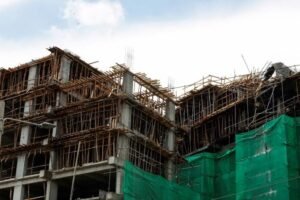
If workers are active on the upper floors while families or commercial shops occupy lower levels, the structural load is constantly changing. The vibration of heavy machinery and extra loads from raw materials on unseasoned concrete slabs can compromise lower structural pillars.
2. Cracks on load-bearing columns
Distinguish between superficial wall paint cracks and structural shear cracks. Diagonal cracks running across concrete pillars, structural beams, or at floor-to-wall junctions signal severe stress on the building’s core frame.
3. Water seepage and damp foundations
Standing water in basements or constant moisture at the base of ground-floor pillars weakens concrete matrices over time and rusts internal rebar steel reinforcement, drastically lowering load capacity.
4. Sagging beams or misaligned door frames
Doors or windows that suddenly stick, Jam, or fail to close properly often indicate that the floor above is deflecting or the building foundation is settling unevenly into the soil.
What to do if you suspect your current building is unsafe
If you are already residing in a building that exhibits worrying cracks, unusual noises, or ongoing illegal structural modifications:
- Document and report immediately: Take clear, time-stamped photos of structural defects and report them to the National Construction Authority (NCA) online portal or county planning enforcement offices.
- Establish a family emergency plan: Identify two distinct emergency exit routes out of the building. Keep an emergency pouch containing essential national IDs, medical records, and emergency contacts near the main entrance.
- Prioritise immediate relocation: If a local structural engineer or authority flags the building, prioritise immediate temporary relocation. No lease agreement or deposit dispute is worth risking family safety.
Urban growth in Nairobi should not come at the cost of household safety. By demanding regulatory transparency, inspecting potential homes with a discerning eye, and refusing to move into uncertified developments, renting families can safeguard their loved ones and hold developers accountable.




Add Comment