Feature
Can Money Buy Happiness?
We all want financial security for our children, but does money truly buy happiness? Explore the balance between financial comfort, the trap of materialism, and the priceless gift of family time.
Every parent wants to give their children the world. We work long hours to afford comfortable homes, good schools and beautiful vacations. In the back of our minds, a constant question lingers. Does all this financial striving actually make our families happier?
The relationship between wealth and wellbeing is a frequent topic of debate. While financial security removes major stressors, true family happiness often comes from things money cannot buy. Finding the right balance is the ultimate key to a joyful home.
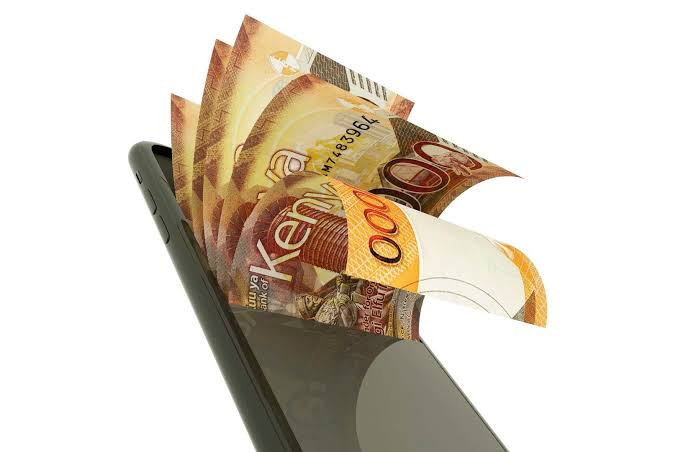

The baseline of financial comfort
Let us be entirely practical first. Money absolutely plays a foundational role in family happiness. It provides essential security, health insurance, and quality education.
When a family struggles to meet basic needs, stress levels naturally skyrocket. Paying bills on time and having a safety net brings peace of mind. In this sense, money does buy freedom from anxiety. However, once you cover these basic and comfortable needs, the return on your investment starts to shift.
The trap of materialism
Many people fall into the trap of thinking more stuff means more joy. This is known as the “hedonic treadmill.”
We buy a bigger car or the latest gadget, and it feels wonderful for a few weeks. Soon, that excitement fades. The new purchase becomes the new normal, and we look for the next thing to buy.
Children are especially vulnerable to this cycle. When parents constantly substitute presence with presents, material items lose their value. The initial thrill disappears quickly, leaving children asking for more.
Investing in experiences over things
If you want to spend money on happiness, look toward experiences. Studies consistently show that memories bring more long-term joy than material possessions.
Rather than filling the house with more possessions, many families are choosing to invest in shared experiences that create lasting memories. A weekend camping trip under the stars, a relaxed afternoon at a local park, a cooking class where everyone learns something new, or even a simple game night made special with homemade snacks can strengthen family bonds in ways that material gifts rarely do.
These moments become part of a family’s story, creating memories that children carry well into adulthood. Long after a toy has been broken, outgrown or forgotten, the laughter from a rainy road trip, the excitement of pitching a first tent or the joy of cooking together is often what remains most vividly in their hearts.
Teaching children the value of contentment
As parents, we are our children’s primary financial role models. They watch how we spend, save, and talk about money. We can teach them contentment by practising gratitude openly.
Try introducing a daily gratitude ritual at the dinner table. Have everyone share one good thing that happened that did not cost any money. This practice trains young minds to look for joy in relationships, nature, and personal achievements.
The gift of your time
Ultimately, the most valuable currency you can give your child is your undivided attention. Your children will not remember the expensive brand of clothing you bought them. They will remember the times you sat on the floor to play their favourite game. They will value the moments you listened to their stories without looking at your phone.
Money is a powerful tool. It can build a comfortable house, but only love, time, and connection can turn it into a happy home. Focus on building deep relationships, and you will find that your family is already rich in the ways that matter most
For more, click HERE to join our WhatsApp channel!
You must be logged in to post a comment Login