Cover Story
When Safety Becomes Every Parent’s Daily Fear
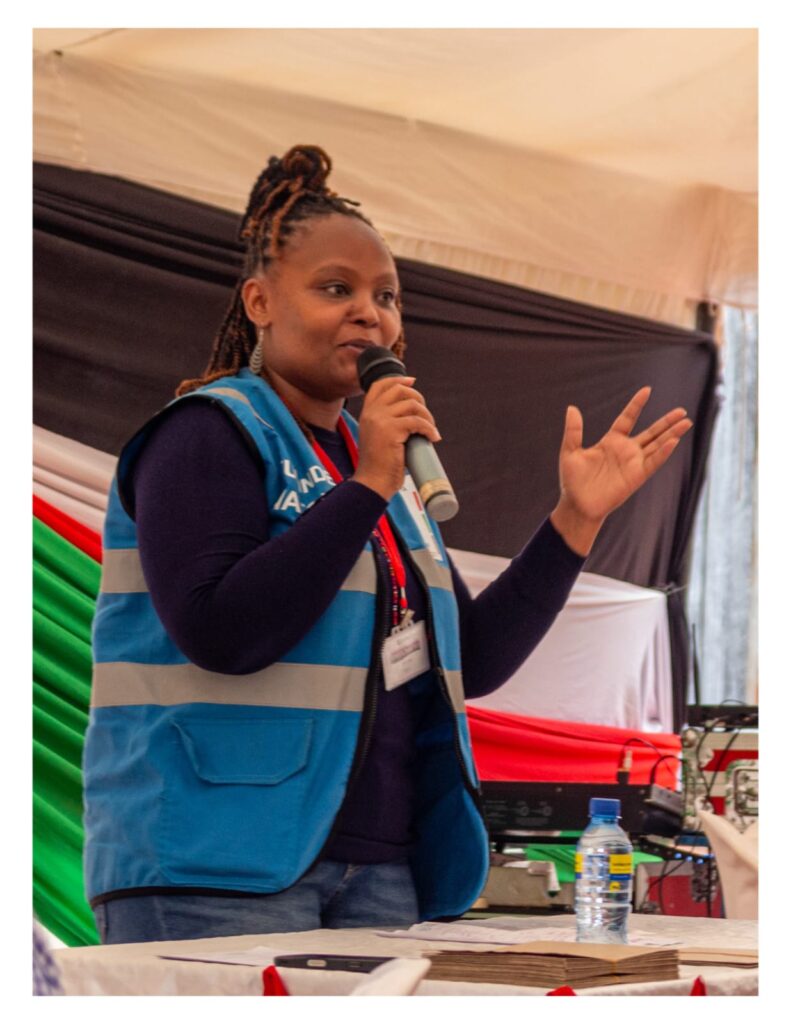
Following International Missing Children’s Day on May 25, June Wachira, a Children’s Officer in Githunguri, Kiambu County, says prevention must begin with communities recognising that child disappearance and exploitation are realities that can affect any family.
The rising number of missing children cases reported across the country continues to heighten public concern, particularly in the wake of disturbing incidents where some children are later found abused or dead.
Against this backdrop, child safety has become an urgent and unavoidable conversation within homes, communities and institutions entrusted with the care of children, prompting deeper reflection on the measures needed to better protect the most vulnerable.
Amid these concerns, and following International Missing Children’s Day on May 25, June Wachira, a Children’s Officer in Githunguri, Kiambu County, says prevention must begin with communities recognising that child disappearance and exploitation are realities that can affect any family.
Read Also: Marking International Missing Children’s Day Amid Rising Cases in Kenya
“As we mark this day, we are reminding communities about the importance of prevention and the need to continue supporting efforts to find missing children and reunite them with their families,” she says, noting that sustained public awareness remains central to improving child safety outcomes.
Wachira explains that one of the greatest challenges in addressing missing children cases is that perpetrators are often people children and families already know or trust, which makes early identification difficult.
“You cannot always tell who a perpetrator will be. Children are vulnerable, and sometimes the very people expected to protect them are the ones who harm them.”
Because of this, she believes parents and guardians must move away from assumptions that danger only exists elsewhere.
The Danger of Assuming “It Cannot Happen Here”
According to Wachira, many families continue to lower their guard because they assume safety within trusted spaces such as homes, schools and even among hired caregivers.

She points out that that risk often emerges in everyday decisions where vigilance is overlooked, including how children travel or who they are left in the care of.
Wachira is therefore urging parents to remain vigilant at all times and to carry out proper background checks before hiring caregivers or any staff who may have access to children.
She cautions against assuming trust based on appearance alone, adding that basic verification such as requesting identification documents and seeking references from local administrators can help ensure accountability if an incident occurs.
“Do not assume that because someone appears polite or presentable they are automatically safe around children. At the very least, keep copies of identification documents and ensure local administrators can verify who they are,” she says.
Parenting and Child Protection
Beyond vigilance, Wachira says Kenya must urgently address parenting gaps that continue to leave many children exposed to neglect, abuse and abandonment.
Wachira particularly points to the increasing number of teenage mothers who often lack adequate support or preparation for parenthood, leaving many children vulnerable from an early age.This, she says, can place children at risk of abuse or exploitation within communities.
“We need to bring back the culture of loving, wanting and caring for children,” she says, adding that children should never feel disposable.
Why Reporting Matters
Wachira is calling on the public to act quickly whenever a child goes missing or when there are suspicions of abuse or exploitation within communities.
“One of the biggest challenges is delayed reporting. People wait too long before reporting missing children or suspicious behaviour,” she says.
She urges parents and members of the public to report cases immediately through the national child helpline 116, local police stations or sub-county children’s offices.
“Even if you only suspect that a child may be in danger, report it. Early reporting can make a very big difference,” she says.
Beyond reporting missing cases, Wachira emphasises the importance of ensuring that the tracing process for found or displaced children is actively followed through until families are identified.
She notes that tracing alerts are shared through the Missing Child Kenya platform, as well as official channels under the State Department on X (formerly Twitter) and Facebook. She also points to collaborations with the Child Welfare Society of Kenya, which publishes photographs of both missing and found children to aid identification and reunification.
For children whose families cannot immediately be traced, Wachira is appealing to communities to consider offering temporary care, including foster arrangements, to ensure they remain safe, fed and protected as tracing continues.
She says such collective responsibility is essential in ensuring that no child is left vulnerable or unprotected while reunification efforts are ongoing.
As conversations around missing children continue across the country, Wachira maintains that protecting children cannot be left to authorities alone. It requires alert communities, responsible parenting and a willingness to act early, before children become statistics or headlines.
Click HERE to join our WhatsApp Channel!
You must be logged in to post a comment Login