Parenting
A Mother’s Love Knows No Borders

Every African mother knows the quiet sacrifices it takes to raise a dreamer.
Long before the stadium lights, the television cameras and the millions of fans chanting his name, Ana Cândida Évora was simply a mother encouraging her son to believe in himself. She watched him chase a football across dusty pitches in Cape Verde, supported him through setbacks and stood by him as he pursued a dream that often seemed impossible.
This year, that dream reached its highest stage.
At 40 years old, Cape Verde’s veteran goalkeeper Josimar “Vozinha” Dias became one of the breakout stars of the FIFA World Cup after producing a heroic performance to help his nation secure a historic goalless draw against Spain. His eight crucial saves frustrated one of football’s biggest powerhouses and earned Cape Verde their first-ever World Cup point.
The football world celebrated. But for Vozinha, the moment was incomplete.
Empty seat in the stands
As cameras followed the celebrations after the final whistle, viewers witnessed something unexpected. The experienced goalkeeper broke down in tears.
Many assumed the emotions were tied solely to the magnitude of the occasion. Instead, Vozinha revealed something deeply personal.
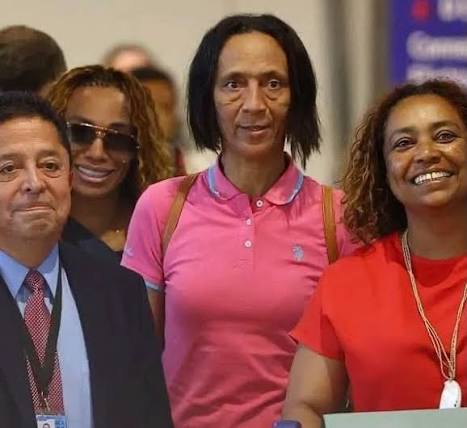
His mother was not there to witness it. Despite years of sacrifice and support, Ana could not travel to the United States due to the financial and administrative hurdles involved in obtaining travel documents and a visa.
For many African families, this reality is painfully familiar.
Parents often spend decades investing in their children’s dreams, only to find that distance, finances and bureaucratic barriers prevent them from sharing in the very moments they helped make possible.
Speaking after the match, Vozinha explained that while he was grateful for the historic achievement, his heart ached knowing his mother was watching from thousands of kilometres away.
“I would like her to be here,” he said emotionally.

A story that touched the world
Across Africa and the global diaspora, parents and children saw themselves in Vozinha’s story.
Social media quickly filled with messages from people sharing memories of mothers who sacrificed school fees, worked multiple jobs, skipped meals and carried entire families through difficult seasons.
Many recognised Ana not simply as the mother of a footballer, but as a symbol of countless African mothers whose contributions often happen quietly behind the scenes.
The emotional interview sparked a wave of support. Soon, the story reached political leaders and officials in the United States.
When compassion takes centre stage
In a rare example of bureaucracy making room for humanity, U.S. House Democratic Leader Hakeem Jeffries announced that efforts had been made to ensure Ana would be able to attend her son’s next World Cup match.
Visa-related fees were waived, and arrangements were made to facilitate her journey.
The announcement was welcomed by football fans, Cape Verdeans around the world, and families who understood exactly what was at stake.
This was no longer just about football. It was about a mother being allowed to witness the fulfilment of a dream she had helped nurture for decades.
The reunion

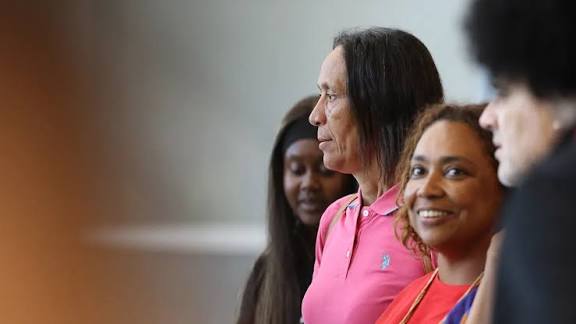
Last Sunday, 21st June 2026, Cape Verde faced Uruguay in Miami; millions watched the match.
Somewhere in the stands was Ana Cândida Évora. And somewhere on the pitch was the son who never stopped wanting his mother by his side.
For all his experience, achievements, and international recognition, Vozinha’s story reminds us that no matter how successful our children become, they never outgrow the need for their parents’ love and presence.
For more, click HERE to join our WhatsApp channel!
You must be logged in to post a comment Login