










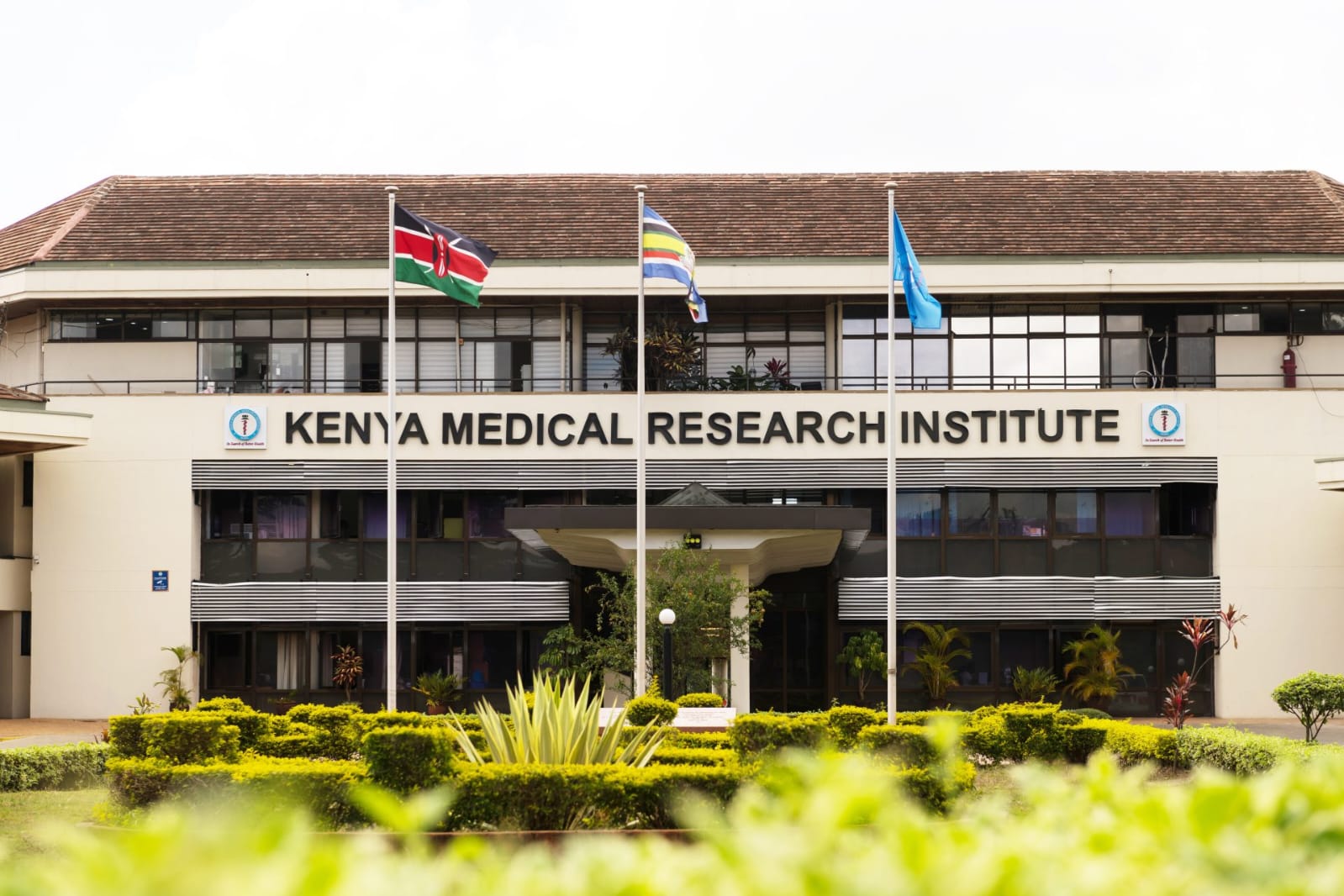
A storm of social media rumours recently forced the Kenya Medical Research Institute (KEMRI) to issue a formal refutation. Viral posts claimed that the institution was actively recruiting 200 ordinary citizens, planning to deliberately infect them with malaria, and paying them a lump sum of KSh 48,000 for a 24-day hospital stay.
While KEMRI strictly flagged these specific viral posts as misleading and inaccurate, the public anxiety it triggered points to a fascinating, highly real, and often misunderstood area of medical science: Controlled Human Malaria Infection (CHMI) studies.
What the rumours got wrong
The viral alerts framed the study as a reckless, transactional gamble with human health, essentially portraying it as “paying cash for a deadly disease.” KEMRI’s official response directly countered this framing
“All KEMRI research involving human participants is conducted under strict ethical and regulatory oversight with participant safety and informed consent as core requirements”
The institute urged the public to rely exclusively on official communication channels, reminding readers that clinical trials are not haphazard public recruitment drives run via WhatsApp or informal social media boards.
What is a “Challenge Study”?
The basis for the rumour stems from a genuine, globally recognised research methodology that KEMRI’s centres (like the KEMRI-Wellcome Trust Research Programme in Kilifi) have safely conducted for years.
To develop next-generation malaria vaccines, scientists cannot always wait for volunteers to naturally catch malaria in the wild. Instead, they use CHMI, often called a “challenge study.”
1. The microscopic dose
Healthy, thoroughly screened volunteers are exposed to a specific, standardised, and laboratory-reared strain of the Plasmodium falciparum parasite. This is done under meticulous clinical conditions, often via direct injection.
2. The 24-day residential stay
The viral posts mentioned a 24-day hospital stay, which is actually a real safety protocol. Volunteers live in a specialised residential facility for nearly a month. This ensures they are under continuous, 24-hour medical observation and prevents them from transmitting the parasite to the local community via wild mosquitoes.
3. Immediate treatment thresholds
Volunteers do not get severely ill. The moment a participant shows early clinical symptoms or their blood sample hits a razor-thin parasite density threshold, doctors immediately administer fast-acting, highly effective curative antimalarial therapies. The infection is cleared long before it can become dangerous.
The ethics of compensation
The rumour specifically weaponised the figure of *KSh 48,000. In real CHMI trials, participants are compensated financially. However, bioethicists emphasise that this is not a “bounty” for getting sick.
Instead, the money is standard reimbursement for massive inconvenience, lost wages, and the strict demands of a 24-day institutional quarantine. Because these studies take place in regions where subsistence livelihoods are common, the payout figure easily morphs into sensationalised headlines when stripped of its context.
Building public trust
Groundbreaking science requires equally groundbreaking communication. Because “deliberate infection” fundamentally clashes with our traditional understanding of medicine (“do no harm”), it easily breeds suspicion. To bridge this gap, KEMRI relies heavily on community engagement teams who meet with local leaders and residents to demystify the science long before a trial ever begins.
Ultimately, CHMI studies remain one of humanity’s most powerful tools in the race to eradicate malaria, but as recent headlines prove, a vaccine can only save lives if the public trusts the science behind it.
For more, click HERE to join our WhatsApp channel!




Add Comment