










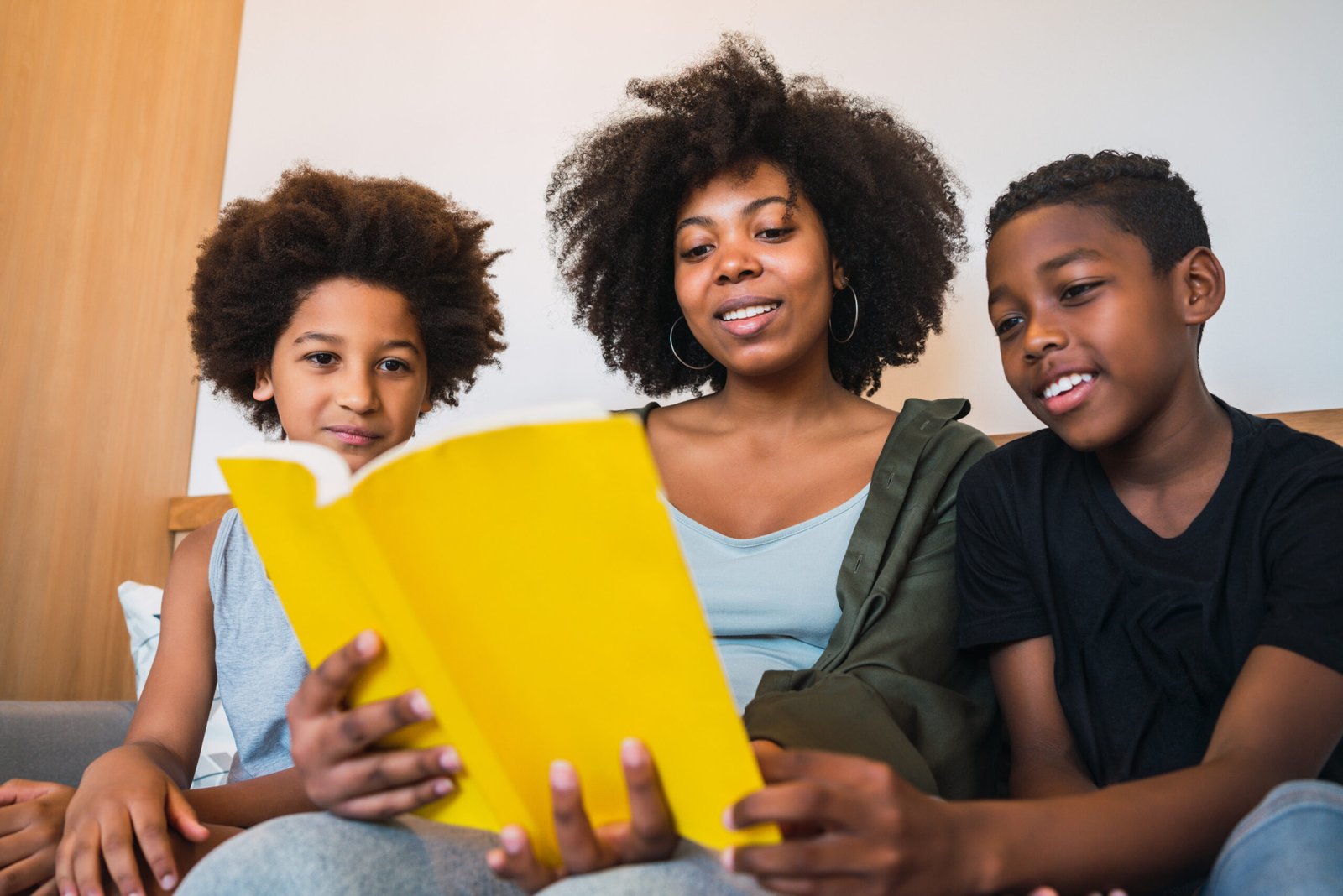
Children watch every move their parents make. Long before kids digest lectures or moral rules, they study how adults handle stress, navigate relationships, and approach daily challenges. When parents match their actions to their words, they unlock observational learning, the most important tool in human development.
Actions beat words every time
Parents frequently issue orders such as “Be polite,” “Put your phone away,” or “Stop shouting.” Yet, when actions contradict commands, children ignore the words and mirror the behaviour. A parent who yells, “Calm down!” sends a loud message that shouting solves problems.
The human brain relies heavily on mirror neurons. Kids mentally practice the exact behaviours they see in their primary caregivers. Over time, those observed patterns become automatic habits.
Showing kids how to manage stress
Children struggle to navigate intense emotions like anger, disappointment, and embarrassment. Simply telling a dysregulated child to “relax” achieves very little when adults regularly lose their tempers over minor setbacks.
Parents demonstrate true self-regulation when they tackle real-world frustrations a missed deadline, a broken glass, or a bumper-to-bumper traffic jam with patience and a steady breath. Kids do not learn emotional resilience from textbooks or stern warnings. They master emotional control by watching the adults around them stay cool under pressure.
Building trust through honest accountability
Modelling good behaviour does not demand flawless, robotic parenting. In fact, perfection sets an unrealistic and anxiety-inducing standard for growing children. Instead, effective modelling requires genuine accountability when things go wrong.
When a parent loses their patience, owns the mistake, and offers a sincere apology, they teach three vital lessons:
- Self-awareness: Recognising when emotions hijack good judgment is the first step toward self-improvement.
- Responsibility: Owning a mistake shows courage and true strength.
- Relationship repair: Apologies rebuild trust, restore safety, and prove that relationships can survive conflict.
| Parental Behavior | What the Child Learns |
| “Do as I say, not as I do” | Rules rely on arbitrary authority rather than personal integrity. |
| Consistent action | Principles apply to everyone equally, regardless of age or status. |
| Mistakes + genuine apology | Responsibility repairs relationships and mistakes offer valuable lessons. |
Cultivating empathy and social intelligence
Children learn how to treat other human beings by watching how their parents treat everyone around them, from close family members to total strangers. A parent who practices active listening, uses polite language, and treats service workers with dignity gives their child a masterclass in social intelligence.
Conversely, when adults engage in gossip, dismiss others’ opinions, or lose their temper with retail clerks, children internalise disrespect as an acceptable social strategy. Demonstrating empathy in daily interactions teaches kids to navigate social spaces with kindness, grace, and respect.
Setting the daily standard for healthy habits
Kids absorb every nuance of daily living from how parents handle screen time and stress to how they talk about their own bodies and work ethic.
- Digital boundaries: A parent who puts their smartphone down during dinner teaches active presence far better than one who enforces strict device limits while constantly scrolling through emails.
- Problem-solving: When parents face unexpected challenges with a constructive “how can we fix this?” attitude rather than despair, children inherit a resilient problem-solving mindset.
- Self-care and health: Kids who see their parents prioritise sleep, physical activity, and healthy meals view self-care as a natural part of adult life rather than a chore.
The lasting legacy of action
Children rarely grow into what parents tell them to be. They inevitably become a reflection of what parents do. Lectures fade from memory, but the live example of a parent’s character leaves an indelible blueprint on a child’s mind. By practising patience, honesty, resilience, and respect in their own lives, parents build an authentic foundation that guides their children long into adulthood.
For more, click HERE to join our WhatsApp channel!




Add Comment