





Six months after the Ebola outbreak caused by the Bundibugyo virus was declared in the Democratic Republic of the Congo (DRC), the epidemiological toll has grown into a profound humanitarian emergency for families across the region. With over 11,000 confirmed cases and more than 5,400 lives lost across eight provinces, global health agencies including the World Health Organisation (WHO), UNICEF, and the Africa Centres for Disease Control and Prevention (Africa CDC) are sounding an alarm that mothers and young children are paying the highest price.
For families across East and Central Africa, the crisis underscores how rapidly an infectious disease outbreak can dismantle essential healthcare systems, disrupt childhood safety, and threaten maternal survival.
A toll on the young
According to recent UNICEF and WHO situation reports, children under 18 account for over a quarter of all confirmed Ebola infections and more than a third of all recorded deaths, representing over 1,730 young lives lost since May 2026.
Even more alarming is the survival rate among infants and toddlers. Children under five make up 14 per cent of confirmed cases, yet roughly seven in ten children in this age group who contract the virus do not survive. Because the Bundibugyo strain currently lacks a widely licensed vaccine or targeted antiviral treatment, early detection and supportive hospital care are critical, yet two-thirds of all deaths are occurring outside treatment centres within communities, where infections are identified too late.
Beyond the direct threat of the virus, the social fabric of childhood is fracturing. More than 2,280 children have been orphaned or separated from their parents and primary caregivers, leaving thousands exposed to trauma, malnutrition, and disrupted schooling.
Crisis on maternal health
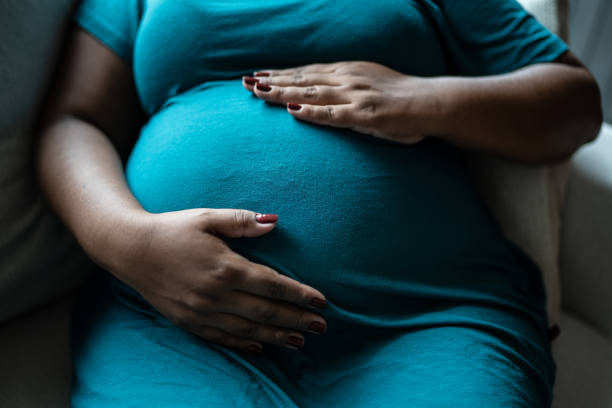
While health systems mobilise to contain transmission, pregnant women and new mothers face a silent, parallel emergency. Across affected health zones in provinces such as Ituri and North Kivu, fear of contracting Ebola inside medical facilities, compounded by armed conflict and attacks on healthcare infrastructure, has kept thousands of expectant mothers away from prenatal clinics and safe delivery rooms.
Humanitarian agencies, including the United Nations Population Fund (UNFPA) and the International Rescue Committee (IRC), report that maternal deaths have surged sharply since the outbreak began. When routine immunisation schedules stall and obstetric care becomes inaccessible, preventable childbirth complications become fatal.
Furthermore, breastfeeding mothers face agonising dilemmas when exposed to illness, requiring specialised medical guidance and safe nutritional alternatives to protect their infants.
Safeguarding families through community action
Despite immense security challenges and displacement, coordinated interventions offer a blueprint for protecting women and children during health emergencies:
- Health teams and humanitarian partners are establishing isolated, infection-controlled maternal and newborn care pathways so pregnant women can deliver safely without risking exposure.
- Over 17,000 community health workers and tens of thousands of local volunteers have been trained to recognise early symptoms in children, provide hygiene kits, and build trust with hesitant families.
- Alongside medical isolation, responders are delivering hot meals to affected families, treating acute child malnutrition, and offering mental health support for orphaned children and grieving mothers.
- Following isolated imported cases in neighbouring countries such as Kenya, where swift contact tracing and quarantine successfully contained local spread, regional health authorities continue to emphasise early symptom awareness, hand hygiene, and strong community surveillance.
As continental health bodies work to close funding and security gaps in the DRC, the crisis is a vital reminder for families everywhere that protecting public health begins with safeguarding the clinics, community networks, and maternal care systems that keep mothers and children alive.
For more, click HERE to join our WhatsApp channel!




Add Comment