










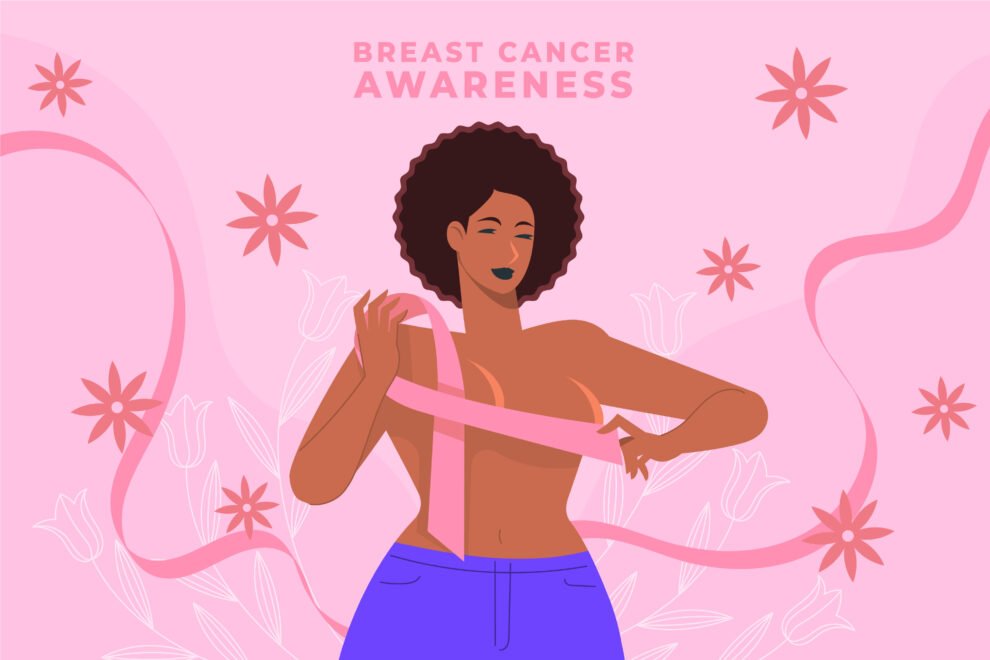
Every October, conversations surrounding breast cancer take center stage across communities, healthcare centers, and media channels. While the heightened visibility has helped millions understand the importance of early detection, false narratives and persistent myths continue to circulate.
These misconceptions often create unnecessary fear, cause individuals to delay vital medical screenings, or lead to a false sense of security. To make informed decisions about your health, it is essential to separate fact from fiction.
Here is a closer look at the most widespread misconceptions about breast cancer and the real facts every person should know.
“Breast Cancer only affects women with a family history”
Many people assume that if no one in their immediate family has ever been diagnosed with breast cancer, they are completely safe from developing the disease.
In reality, the vast majority of individuals diagnosed with breast cancer have no hereditary or family history of it whatsoever. While carrying inherited gene mutations like BRCA1 or BRCA2 increases risk, over 85% of breast cancer cases occur in people with no prior family record. The disease develops primarily as a result of genetic changes that happen naturally over the course of a lifetime rather than through inherited genes.
Relying solely on family history to assess your vulnerability can lead to a dangerous false sense of safety.
“If you don’t feel a lump, you don’t have Breast Cancer”
A common belief is that breast cancer always manifests as a distinct, painless lump that can be easily felt during a home examination.
While a firm mass is indeed a frequent symptom, breast cancer can present in far more subtle ways long before any lump is palpable. Symptoms can include skin dimpling or puckering, sudden changes in breast contour, nipple inversion, unusual discharge, persistent localised swelling, or changes in skin texture resembling an orange peel.
Furthermore, early-stage microscopic cancerous changes are often completely imperceptible to the touch, which is why routine clinical imaging like mammograms and ultrasound scans remain indispensable for early detection.
“Breast Cancer is strictly a woman’s disease”
Because breast cancer is overwhelmingly discussed in the context of women’s health, many men are unaware that they can also develop the condition.
All human beings are born with a small amount of breast tissue, which means men can also develop breast cancer, even if at a much lower rate, accounting for roughly 1% of all cases. Because men rarely expect to develop the disease, they often ignore early warning signs like chest swelling or localised lumps, leading to delayed diagnoses and more advanced stages upon detection.
Awareness and prompt medical evaluation are just as crucial for men as they are for women.
“Wearing underwire bras or using antiperspirants causes cancer”
Persistent rumors suggest that everyday habits, such as wearing underwire bras or applying chemical antiperspirants, block lymph nodes and trap toxins inside breast tissue, ultimately causing cancerous tumors.
Medical science and extensive scientific research have thoroughly debunked these claims. Neither underwire bras nor antiperspirants alter cellular structures or restrict lymphatic circulation in a way that leads to malignancy.
Spending energy worrying about these harmless daily practices distracts from focusing on proven risk factors like age, lifestyle, radiation exposure, and genetic predisposition.
“Younger women do not need to worry about Breast Cancer”
It is a common myth that breast cancer only affects older women or those who have gone through menopause.
While it is true that the statistical risk increases as a person grows older, breast cancer can, and does, affect young adults in their 20s and 30s. In fact, breast cancers diagnosed in younger individuals tend to be more aggressive and are frequently identified at later stages because young people are less likely to expect a diagnosis or seek immediate care for subtle symptoms.
Paying attention to your body and practicing self-awareness is essential at every stage of adulthood.
Forward with facts
Overcoming breast cancer begins with accurate education. When we dismantle these myths, we empower ourselves and our families to take proactive steps toward routine screenings, early medical consultations, and healthy lifestyle choices.
This October, let’s commit to sharing facts that heal rather than myths that harm.
For more, click HERE to join our WhatsApp channel!





Add Comment