










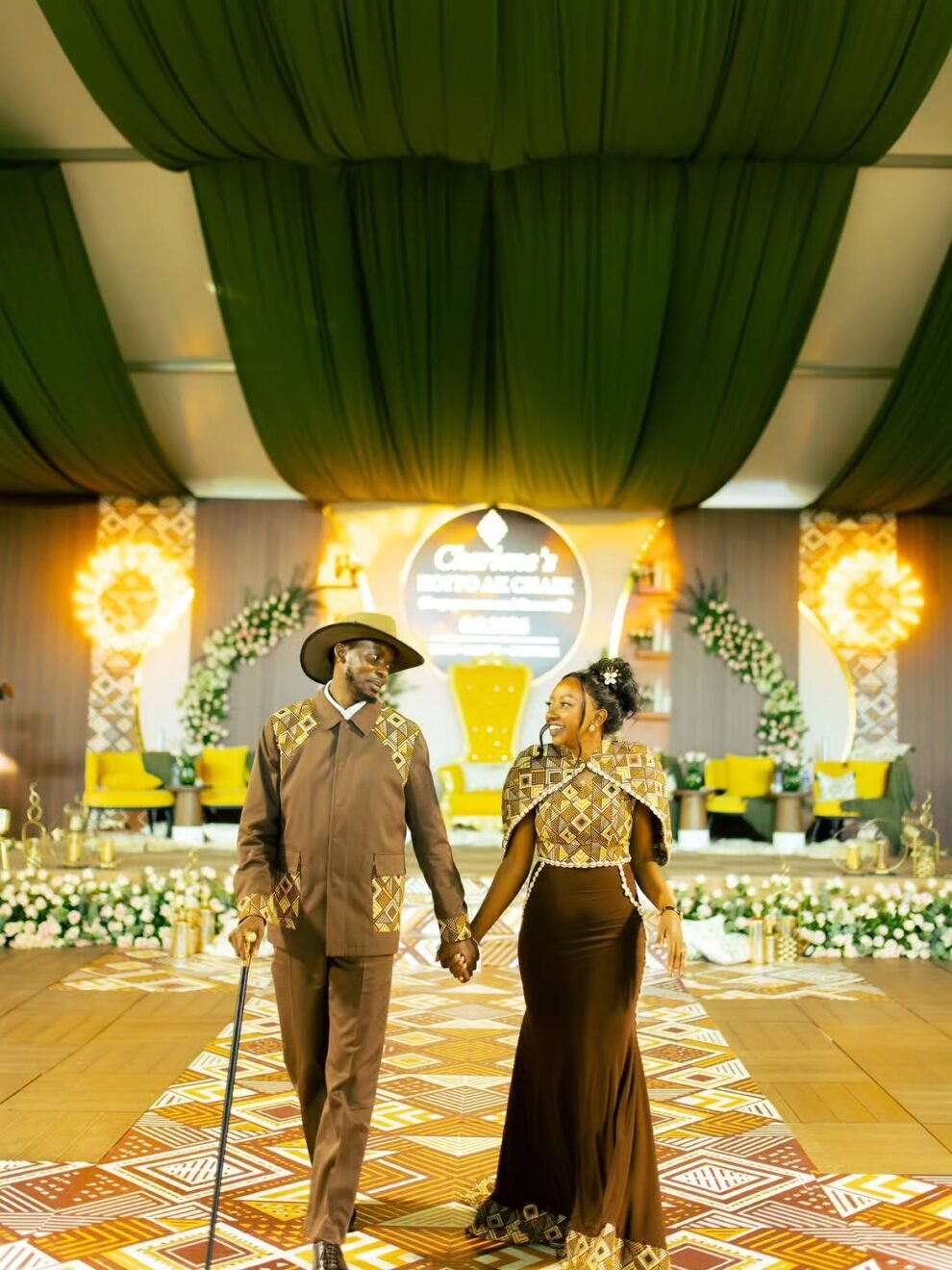
When news of Charlene Ruto’s Koito ak Chaik ceremony emerged, many Kenyans encountered the phrase for the first time. While the event drew national attention because it involved the President’s daughter, the ceremony itself is deeply rooted in Kalenjin culture and tradition. More than an engagement, Koito ak Chaik is a meaningful rite that marks the formal union of two families and the transition of a woman into married life.
In Kalenjin tradition, marriage is not viewed as a private agreement between two individuals. It is a covenant between families, clans and generations, and Koito ak Chaik is one of the ceremonies that gives that union cultural legitimacy.
The meaning of Koito
The word Koito refers to the traditional engagement and marriage negotiation ceremony. During this stage, the groom’s family formally visits the bride’s family to express their intention, negotiate bridewealth and seek the blessing of elders.
This is the moment when the relationship moves from a private commitment to a publicly acknowledged union. Elders from both families play a central role, guiding the process, ensuring that cultural protocols are followed and affirming the marriage.
The meaning of Chaik
Chaik refers to the farewell or send-off ceremony for the bride. It is a symbolic moment in which a daughter is blessed by her family before leaving to begin a new chapter with her husband.
Traditionally, parents, grandparents, aunts, uncles and community elders offer prayers, blessings and words of wisdom. The bride is reminded of the values she carries from her family into her new home. Respect, responsibility, generosity and commitment.
Together, Koito ak Chaik represents both acceptance and transition: the acceptance of the groom by the bride’s family and the transition of the bride from her parental home into marriage.
More than a wedding ritual
Unlike a church wedding or civil ceremony, Koito ak Chaik places family and community at the centre of the marriage process. It is not only about two people in love; it is about relationships between generations.
The ceremony often includes:
- Negotiations led by elders
- Blessings from parents and grandparents
- Traditional songs and dances
- Kalenjin attire and ornaments
- The sharing of food as a sign of unity and hospitality
Every element carries meaning, reminding the couple that marriage is sustained not only by romance but also by community support and cultural values.
Why the ceremony matters today
As more young Kenyans embrace both modern lifestyles and cultural identity, ceremonies such as Koito ak Chaik are experiencing renewed appreciation. Many families choose to incorporate traditional rites alongside religious or civil weddings, recognising that these customs preserve history, language and a sense of belonging.
For parents, the ceremony is particularly significant because it acknowledges the role of the family in raising and releasing a child. It becomes a moment of gratitude, blessing and continuity, where one generation entrusts another with the future.
Charlene Ruto’s Koito ak Chaik may have brought the ceremony into the national spotlight, but its true significance lies far beyond public attention. It is a reminder that, in Kalenjin culture, marriage is not merely an event; it is a journey entered with the blessing of family, the wisdom of elders and the strength of tradition.
For more, click HERE to join our WhatsApp channel!





Add Comment