










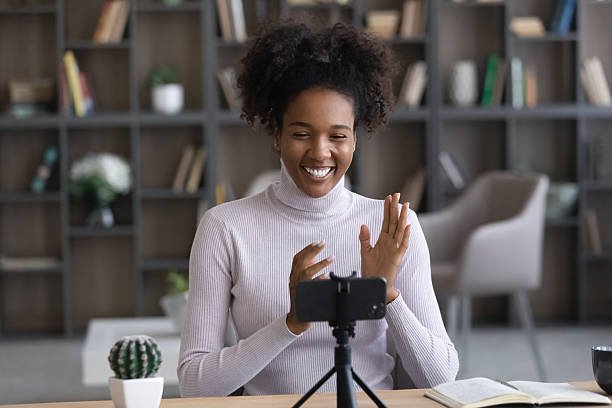
The Teachers Service Commission’s warning on teachers’ social-media conduct has sparked a wider conversation about teachers as content creators, classroom recordings and how much of a child’s school life should make its way online.
Your child’s teacher is on TikTok. Maybe you already know it. Perhaps you have even come across their videos while scrolling through your own feed. They may post comedy skits, dance videos, lifestyle content, fashion, commentary or simply snippets of their lives outside school.
Or perhaps you have seen something different: the teacher recording themselves in class, explaining a lesson, interacting with learners or sharing a video from the classroom.
For some parents, this may be completely harmless. For others, it may raise questions. And following a recent warning from the Teachers Service Commission (TSC) on teachers’ conduct on social media, those questions are becoming harder to ignore.
TSC has reminded teachers that professional standards apply to their conduct online and has warned against behaviour such as cyberbullying, harassment, intimidation, offensive content and other forms of unprofessional conduct. The warning has sparked debate about where the boundary lies between a teacher’s personal life and professional responsibilities. The Kenya National Union of Teachers (KNUT) has also called for greater clarity on what exactly constitutes misuse of social media.
For parents, however, the issue goes beyond whether teachers should be allowed to have TikTok accounts.
The reality is that teachers, like everyone else, live in a digital world.
Some are content creators in their own right. They have built audiences around comedy, fashion, beauty, entertainment, lifestyle or other interests that have nothing to do with teaching. Outside working hours, they may be creating content, earning money from their platforms or simply enjoying a hobby.
Should that automatically concern parents?
Not necessarily.
Being a teacher is a profession, but it is not a person’s entire identity. A teacher does not stop being a human being simply because they work with children. They have the same right to hobbies, opinions and interests as everyone else, provided their conduct does not breach professional obligations or put others at risk.
A teacher posting a dance video from home is very different from a teacher sharing confidential information about a learner. A teacher discussing fashion on Instagram is different from a teacher bullying or humiliating a child online.
The conversation becomes more complicated, however, when the classroom becomes part of the content.
Across social media, teachers are recording themselves teaching. Some explain mathematics or science concepts to their online audiences. Others record classroom activities, demonstrate teaching techniques or share moments when learners participate in a lesson.
There can be real educational value in this.
A teacher with a strong online following can reach children far beyond their own classroom. A short video explaining a difficult concept can help a learner revise at home. Parents can also pick up ideas on how to support their children’s learning.
In that sense, social media can extend the classroom rather than compete with it.
But what happens when learners themselves appear in the videos?
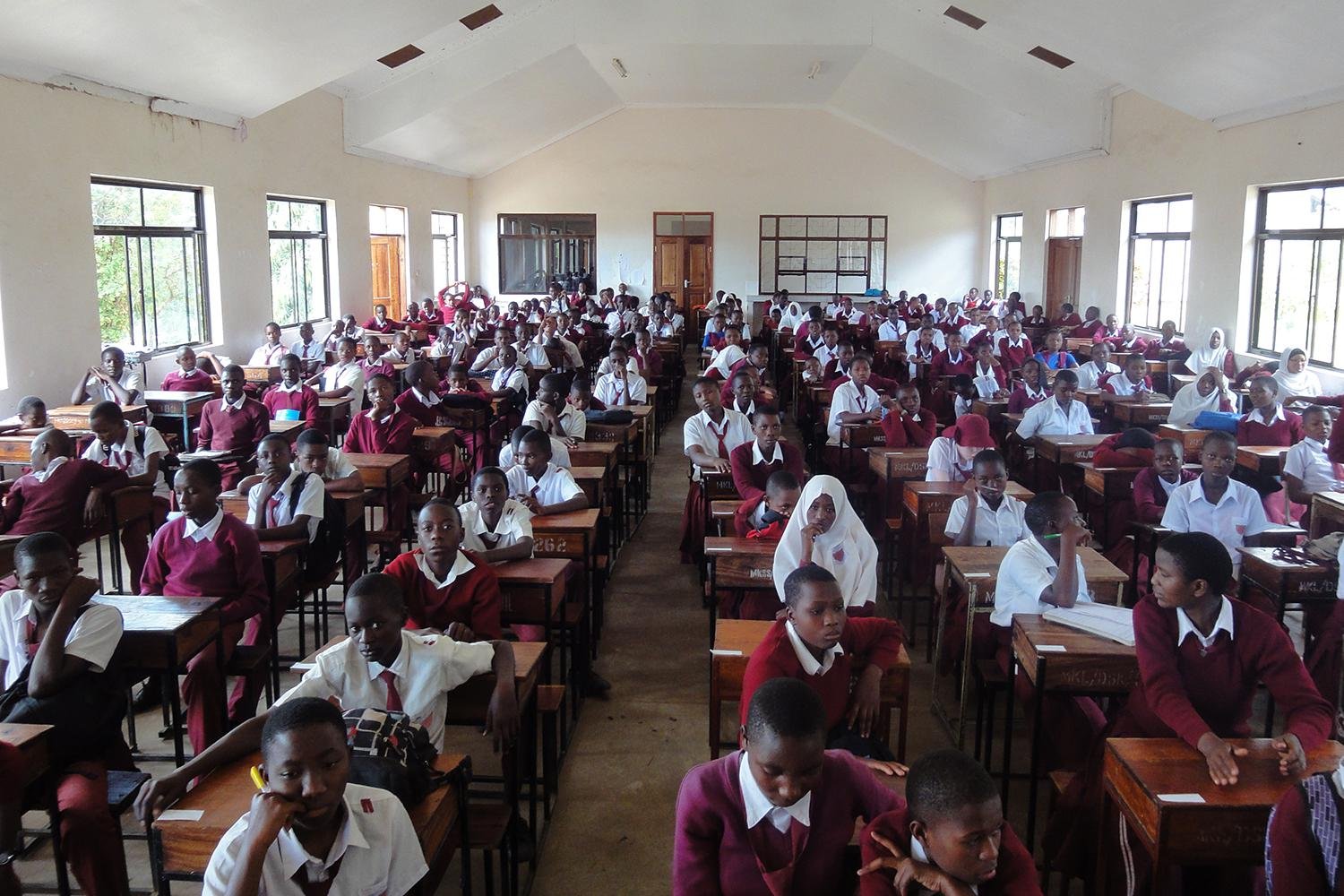
A child answering a question. A group of pupils participating in an experiment. A learner reading aloud. Children laughing during a classroom activity.
It may look like harmless educational content, but parents have a right to ask whether they knew their child was being recorded and whether they agreed to that recording being shared publicly.
A classroom is a place where children should be able to learn without worrying that every moment could become content for someone else’s social media audience.
There is also the question of timing.
If a teacher records an educational video as part of a planned lesson, that is one thing. But if a teacher is spending teaching time setting up a phone, recording multiple takes, checking comments or creating personal content while learners are waiting to be taught, that raises a different concern.
Parents are entitled to ask: Is social media supporting the teaching, or is teaching becoming content for social media?
The distinction matters.
Teachers should be able to embrace technology. They should be able to create educational content and share their expertise. They should also be able to maintain personal social media accounts outside of school.
But children should not become props for an adult’s personal brand.
This is where the TSC warning becomes particularly relevant.
A broad warning about social media is unlikely to answer every question parents and teachers have. There needs to be clarity about what constitutes professional misconduct, what teachers can post in their personal capacity, what happens when learners appear in content and what rules govern recording inside schools.
Parents also need to know what protections exist for their children’s images and personal information.
The solution cannot simply be to tell teachers to stay off social media. That would ignore the enormous educational opportunities digital platforms provide. Teachers should not be expected to surrender their personal identities because they work in education.
Instead, there needs to be a clear line between a teacher’s personal digital life, their professional educational content and the rights of the children they teach.
Parents have an important voice in defining that line.
Would you be comfortable with your child’s teacher having 100,000 followers on TikTok? Would you mind if the teacher posted videos from home? What if the teacher recorded themselves teaching, but your child appeared in the background? Would you be comfortable with your child’s face, voice, or name appearing in a public video? And would your position change if the video were educational rather than personal?
These are no longer hypothetical questions.
Teachers are already online. Children are already appearing in digital spaces. Schools are already using technology to communicate and teach.
The challenge is ensuring that, in this new digital classroom, the child does not lose their right to privacy, dignity and safety simply because the teacher has a smartphone and an audience.
So, parents, your child’s teacher is on TikTok.
Are you okay with it, or are you concerned?
For more, click HERE to join our WhatsApp channel!



Add Comment