










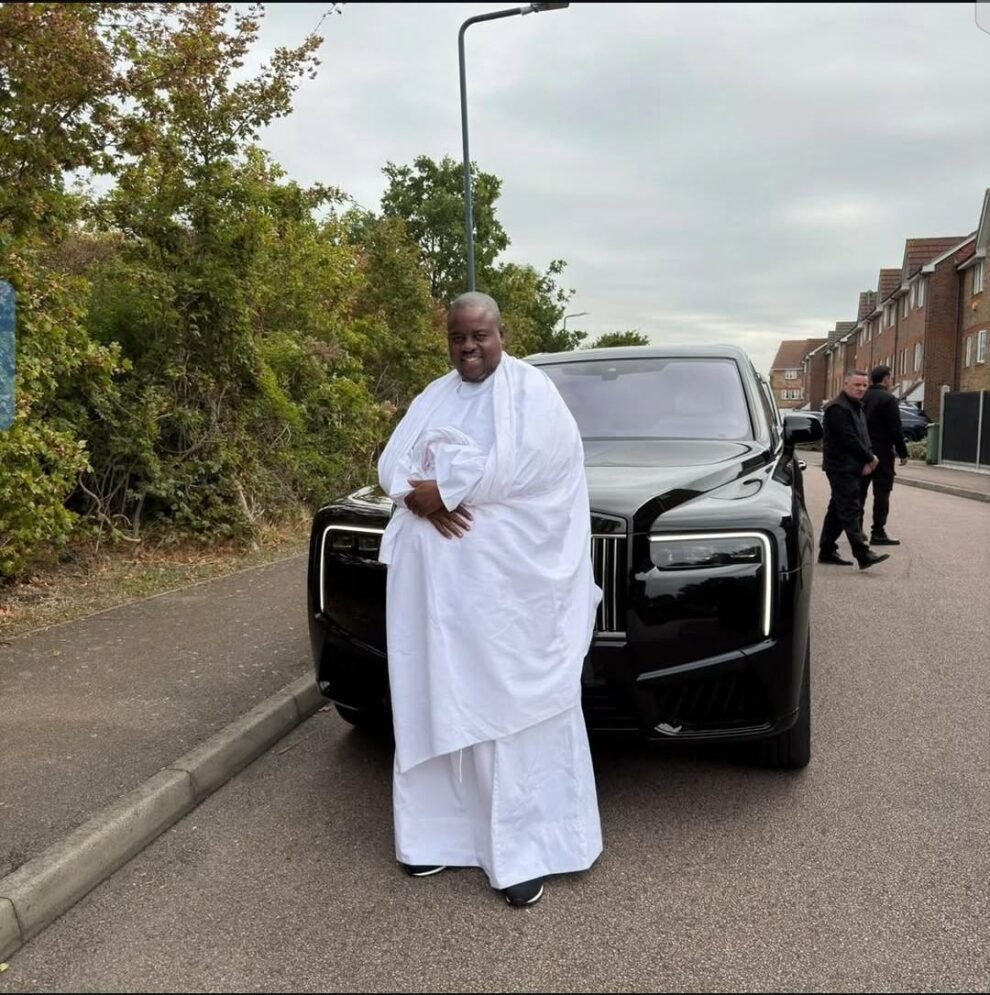
On the morning of 30 September 2026, Wicknell Chivayo was still very much the main character. He posted videos and captions celebrating long-time lawyers with a brand-new Lexus and thick stacks of cash. Classic Sir Wicknell energy: public, extravagant, unapologetic.
By late afternoon, the helicopter carrying him, his wife Lucy “Lulu” Muteke, and four others had crashed in rural Marondera. No survivors.What happened next did not follow the usual script for a high-profile death. Large parts of the internet refused to pretend.
Social Media did not mourn
Instead of the expected wave of careful condolences, social media filled with open celebration. “Which mourning? We are celebrating,” became one of the most repeated lines. Comments under official posts rejected the language of grief. A politician who urged people to show Ubuntu was quickly dragged. The dominant public mood was not sorrow. It was release.
This was not random cruelty. For years Chivayo had performed extreme wealth in a country where many struggle daily. Government contracts, flashy gifts, self-styled titles, and constant displays of money turned him into a living symbol. When that symbol died suddenly, the accumulated frustration finally had a place to land out loud.
The last performance and the brutal irony
The timing made the moment land even harder. Hours before takeoff he was still doing what made him famous and infamous at the same time: turning generosity into spectacle. Then the helicopter went down. Add the earlier online “prophecy” that he would die in a plane crash, and the internet had a ready made narrative. For many, it felt less like tragedy and more like a final plot twist.
Yet that is exactly where the story becomes complicated.
Human dignity still matters
Celebrating any death is a low that societies should be careful about normalising. A wife also died. Other people on that flight also died. Families are left with bodies and silence, not online applause. No amount of public grievance cancels the basic human fact that someone is gone forever and people who loved them are in pain.
It is possible to hold two truths at once. Many felt that Chivayo’s rise reflected deeper problems of inequality and connected privilege. That anger is real and deserves attention. At the same time, treating a fatal crash like a celebration risks hardening hearts. When death becomes entertainment or political score-settling, empathy becomes selective. Today it is a controversial tycoon. Tomorrow it could be someone closer to home.
The viral reaction is less about one man’s character and more about the temperature of a society under long pressure. When people feel that formal systems will never deliver accountability, sudden death can start to look like the only available form of it. That is a dangerous place for any country to live in.
The helicopter crash closed Chivayo’s chapter in the most final way possible. The celebrations that followed opened a harder conversation about inequality, performance, and what kind of public culture citizens wants. The clicks and shares will keep coming. The question is whether the conversation can hold both the honesty of the anger and the dignity of the dead.
Click HERE to join our Whatsapp channel





Add Comment