










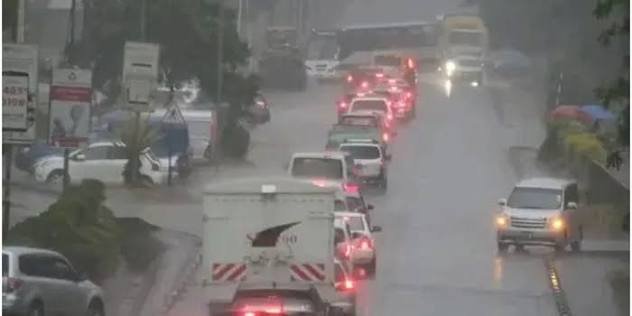
As national examination season approaches, parents across the country, and coastal regions especially, face an added layer of anxiety. With El Niño rains anticipated from October, heavy downpours threaten to flood key access roads, inundate classrooms, and create unprecedented logistical challenges for candidates.
Kwale County education authorities, alongside disaster response partners like the Kenya Red Cross and the Muslim Women Advancement of Rights and Protection (MWARP), have put emergency contingency plans into action. Measures include road repairs in flood-prone zones, standby four-wheel-drive vehicles, potential helicopter deployments, and candidate relocations to safer neighboring centers.
While official emergency plans are moving into gear, the day-to-day falls heavily on families. How can parents ensure their children remain safe, focused, and mentally prepared when severe weather threatens to disrupt the biggest tests of their academic lives?
Here is a practical guide for parents navigating exam season during heavy rains and potential school relocations.
1. Know your high-risk zones and relocation plans
Education officials have identified several vulnerable areas across Kwale, including Ramisi, Kiwegu, Vukani, Mbuguni, Kirewe, and Miguneni, where severe flooding could cut off normal routes. If your child attends school in or near a flood-prone zone, do not wait until exam morning to understand the contingency plan.
- Ask the school administration exactly which neighboring school candidates will be relocated to if their primary center becomes inaccessible.
- Identify secondary roads or higher-ground footpaths to the alternative examination center in case main bridges or roads overflow.
- Ensure both the school administration and your child have updated, reachable telephone numbers for immediate family members and local emergency responders.
2. Prepare logistically for rainy mornings
Unpredictable weather requires airtight morning routines to prevent candidates from being stranded, soaked, or delayed.
- Ensure all national exam prerequisites (index cards, stationery, geometry sets, and identification documents) are stored inside heavy-duty, sealable plastic bags inside your child’s bag.
- Being drenched during a three-hour exam causes physical discomfort and distraction. Pack a set of dry school uniform items, extra socks, and a warm sweater in a plastic-wrapped bundle inside their backpack.
- Neighboring families in flood-prone zones can form morning transport pools or buddy systems so candidates travel in groups, making it easier to assist one another if road conditions deteriorate.
3. Protect your candidate’s mental well-being
National examinations can be intense. Adding flooded roads, emergency evacuations, or transport by four-wheel drives and helicopters can easily cause panic.
- Talk to your child in advance about the government’s backup plans. Reassure them that if they are moved to a neighboring school or picked up by an emergency vehicle, it is routine protection designed to help them take their exams safely.
- Keep home routines as steady as possible during rainy evenings. Ensure good lighting for revision during power outages (using solar lamps or lanterns) and provide warm, nourishing meals.
- Encourage your child to concentrate on their academic prep rather than worrying about the weather. Remind them that logistics are being handled by parents, school heads, and community leaders.
4. Engage with local community warning systems
Organizations like the Kenya Red Cross and MWARP are carrying out community disaster training and mapping households in flood-risk areas. Parents should actively tap into these community networks.
- Participate in community early-warning briefings to stay updated on local flood forecasts and emergency response routes.
- Pay close attention to weather alerts issued by community leaders and disaster-response agencies so you can make travel decisions early on exam days.
Weather emergencies may be unpredictable, but candidate safety and academic success do not have to be left to chance. By pairing government transport and relocation measures with proactive family planning, parents can help their children cross the finish line safely and with confidence.
For more, click HERE to join our WhatsApp channel!




Add Comment