










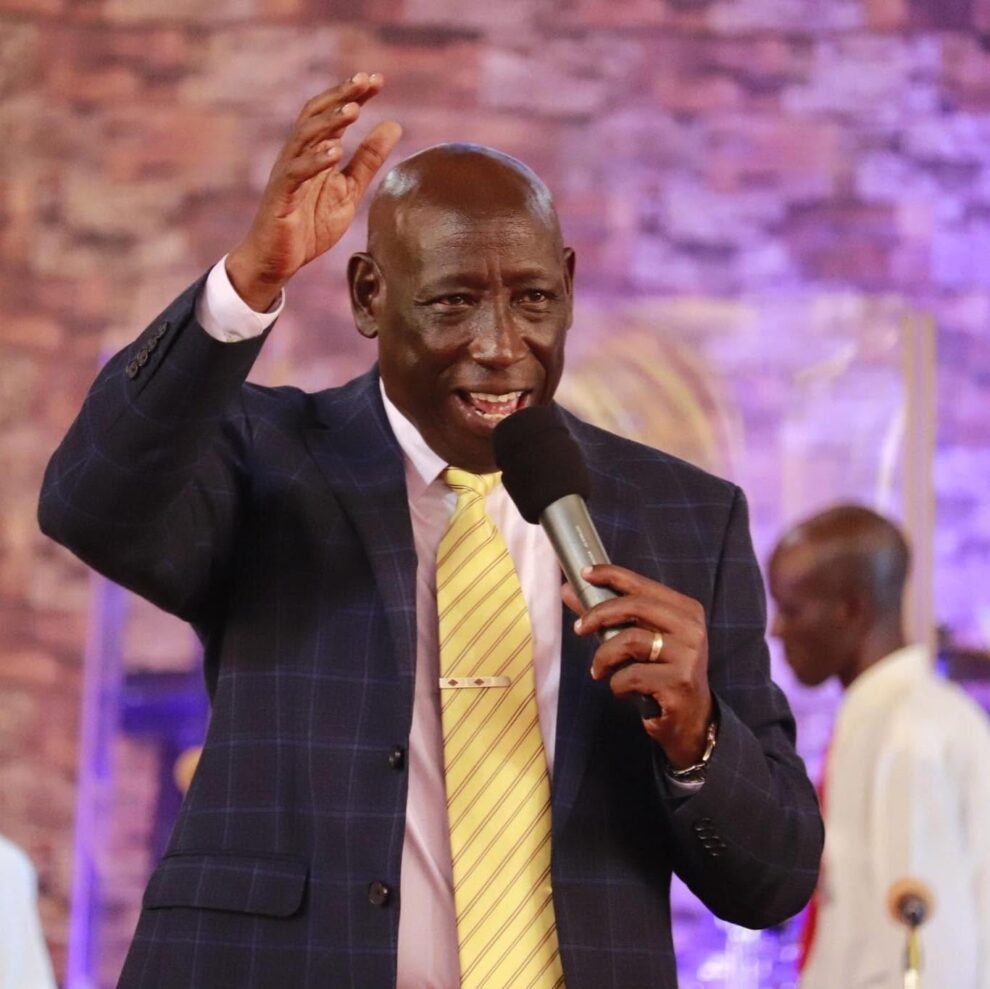
A short video clip from a Mombasa pulpit raced across Kenyan social media and, within hours, reignited one of the most enduring arguments: how much is enough when Christians give to God?
The speaker was Pastor Wilfred Lai, the long serving leader of Jesus Celebration Centre (JCC). His words were blunt, even harsh. Congregants who spent freely on ice cream and junk food for their children yet dropped only KSh 200 or nothing at all into the offering basket were, in his view, treating God with disrespect. At one point he confessed that some of the gifts placed before him made him feel like throwing them away.
The reaction was immediate and fierce. Supporters heard a call to honour; critics heard a demand for cash. The episode, brief though it was, illuminates deeper tensions in contemporary Kenyan Christianity, between prosperity teaching and economic hardship, between pastoral authority and public scepticism, and between the widow’s mite and the expectation of abundance.
He linked such giving to the persistence of poverty and urged congregants to examine whether their gifts truly honoured God, reportedly drawing on themes from Malachi.
The language was vivid and confrontational. In a culture where many pastors prefer soft encouragement, Lai’s frustration landed with the force of a public rebuke. Within hours the video had been shared, quoted, mocked and defended across social platforms.
Public Response
Many Kenyans expressed anger and disillusionment. Others pointed to the harsh economic climate, high living costs, youth unemployment and the lingering effects of recent fiscal pressures, and asked how a struggling parent could be expected to prioritise the offering plate over food or school fees.
For these critics, the sermon exemplified a broader commercialisation of the gospel.
A smaller but vocal group defended the principle behind the remarks. They argued that giving is an act of worship, not residual charity, and that the heart attitude matters more than absolute amounts. Some recalled biblical passages about honouring the Lord with first fruits or the widow who gave all she had. Yet even among those sympathetic to generous giving, the image of a pastor contemplating throwing away offerings struck many as tone deaf.
The Larger Conversation About Money and the Church
Lai’s comments arrive against a complex national backdrop. Kenyan churches have continued to report healthy levels of tithes and offerings even during periods of economic strain . At the same time, trust in clergy has been tested by high profile scandals, debates over the taxation of religious income, and repeated controversies about prosperity preaching.
Successive governments have floated or faced proposals that would bring greater scrutiny to church finances, prompting strong pushback from religious leaders who insist that tithes and offerings are sacred and should remain untaxed.
The Theology of Giving
Theologically, the tension is ancient. One tradition emphasises the cheerful, sacrificial giver whose small gift is magnified by faith. Another stresses the danger of bringing God “leftovers” and the link between obedience in giving and material blessing.
Lai has long taught within the latter stream. His recent sermon simply made the tension public and personal.
Why this matters
Beyond the immediate outrage, the incident raises quieter questions.
- What does authentic pastoral care look like when many congregants face genuine financial pressure?
- How should churches balance the need to fund ambitious ministries with sensitivity to the poorest members?
- And in an age when every sermon can be clipped and shared within minutes, how carefully must leaders weigh their words?
For some, Lai’s frustration reveals a genuine pastoral burden for spiritual seriousness. For others, it confirms suspicions that certain pulpits have become more concerned with revenue than with the sheep.
Both readings will continue to circulate.What is clear is that the conversation about money, faith and honour in Kenyan churches is far from settled.
Click HERE to join our Whatsapp Channel





Add Comment