





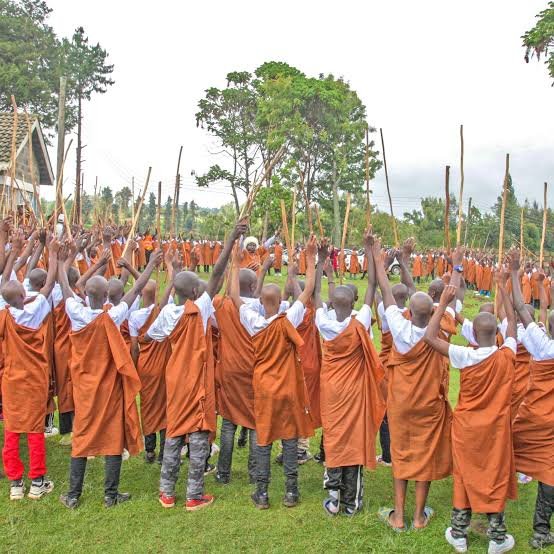
Traditional male circumcision remains a significant rite of passage for many Kenyan communities, marking the transition from boyhood to manhood. During the peak seasons, typically November to December, thousands of boys enter seclusion camps or homes under the care of mentors, older initiates or traditional caregivers. While the practice holds deep cultural value, it has repeatedly been linked to preventable deaths and severe abuse of young children at the hands of those entrusted with their care.
Recent Fatal Cases Linked to Seclusion and Mentorship
14-year-old Elvis Maina from Bahati, Nakuru County, died three days after undergoing traditional circumcision. A post-mortem examination established that he suffered blunt-force trauma to the abdomen, resulting in a ruptured intestine and significant internal bleeding. Family members reported that older youths had visited him during seclusion as part of customary practices and subjected him to forced excessive eating and physical assault intended to “harden” him for manhood. Police arrested three individuals, including a supervisor involved in the initiation activities, and launched a murder investigation.
Similar patterns appear across regions. In Elgeyo Marakwet County , five boys died and 28 others were hospitalised, primarily from severe pneumonia and complications arising from poor hygiene and inadequate aftercare in seclusion camps. Health officials attributed the deaths not solely to the surgical procedure itself but to the conditions imposed by caregivers, including exposure to cold and delayed medical referral.
Historical Patterns of Abuse by Mentors and Older Initiates
According to a report by Nation Africa in 2023, a 15-year-old boy in Naivasha was left partially paralysed and unable to speak after youths beat him severely under the guise of hardening him; his mentor reportedly failed to intervene. Autopsies in multiple instances have confirmed blunt trauma, internal injuries, and evidence of prolonged assault rather than simple medical complications.
In Uasin Gishu and surrounding Kalenjin areas, reports have repeatedly highlighted deaths from septic shock, untreated infections, and harsh camp conditions overseen by caregivers. In one period, local officials linked at least 15 deaths across two counties to botched procedures and subsequent neglect.
Underlying Causes
Several factors contribute to these tragedies. Traditional seclusion often places boys under the exclusive control of older male mentors or groups of recent initiates who interpret “toughening” as physical punishment, forced overfeeding or deprivation. Hygiene standards in camps are frequently poor and medical attention is delayed because seeking hospital care may be viewed as weakness or a breach of cultural protocol. Untrained circumcisers and the use of non-sterile equipment compound surgical risks, but many fatalities occur after the procedure itself, during the mentorship phase.
Kenyan law, including the Constitution and the Children Act, requires the protection of children from harmful cultural practices and all forms of violence. Article 53 of the Constitution specifically guarantees every child the right to be protected from abuse and neglect. Despite this, enforcement remains inconsistent during peak initiation seasons, when community pressure to conform is strong.
Calls for Reform
Health officials, elders’ councils and child protection advocates have repeatedly urged safer alternatives: medical circumcision performed by trained professionals, improved hygiene and supervision in any seclusion settings, mandatory pre-procedure health screening and clear accountability for mentors. Some communities have begun shifting towards hospital-based procedures combined with culturally appropriate teaching, reducing both infection rates and opportunities for physical abuse.
The deaths of these boys represent more than isolated tragedies. They expose a systemic failure to prioritise child safety over unchecked traditional practices. While cultural identity deserves respect, no rite of passage justifies the loss of a child’s life or the infliction of lasting injury by those appointed as mentors and guardians.





Add Comment