





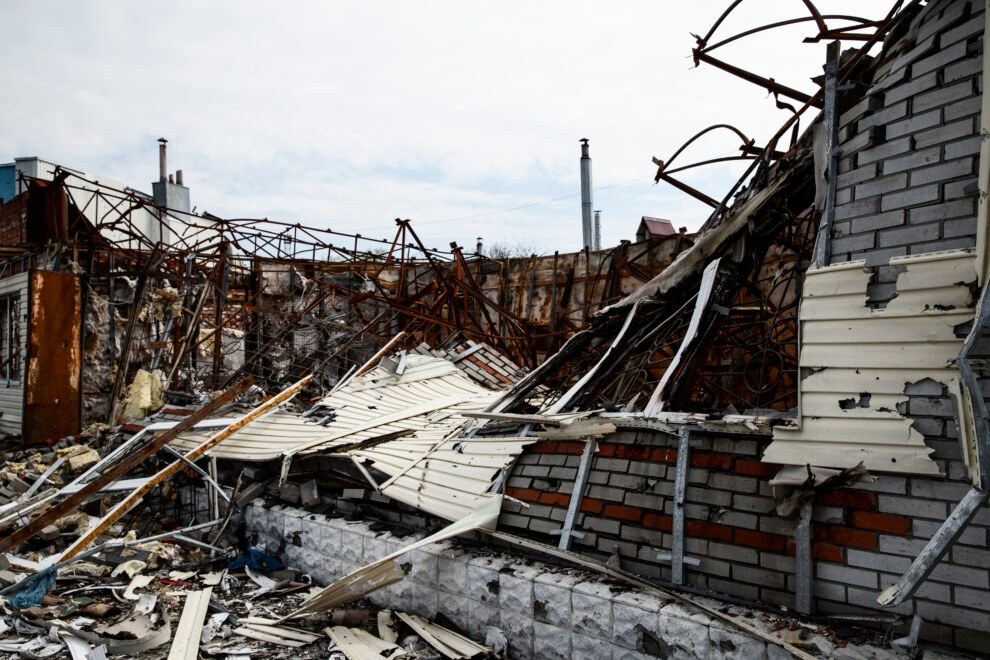
In less than a month, three separate structural failures across the Nairobi metropolitan area have turned ordinary days into scenes of unimaginable grief. First came the October 23 collapse of an 18-storey building in Eastleigh, which claimed several lives. Barely three weeks later, on Friday, November 13, six construction workers died when an upper slab gave way along the Syokimau SGR access road. And just hours after rescue teams cleared the rubble in Syokimau, news broke of another wall collapse in Riverside.
To passersby and policy planners, these incidents are often reduced to statistics, another entry in a troubling year that has already recorded more than two dozen building collapses nationwide. But for Kenyan families, every falling slab, failing formwork, and crumbling perimeter wall represents an empty seat at the dinner table, a loved one who never came home, and households whose futures are altered overnight.
Kenya’s construction boom is powered by ordinary mothers and fathers, and the youth pushed onto unregulated sites to supplement family incomes. Every morning before dawn, thousands of casual labourers, masons, steel fixers, and young helpers leave home to build the apartments, offices, and neighbourhoods reshaping our cities. They take on gruelling physical work to put food on the table, pay school fees, and build a dignified life for their families.
When corners are cut on a construction site, whether through rushed curing times, substandard steel, unapproved structural modifications, or weak supervision, the people who pay the highest price are rarely the developers or the officials who signed off on the paperwork. It is the daily wage earner or underage labourer standing beneath wet concrete. It is the innocent pedestrian, the neighbour, or the child simply passing by a construction zone on their way to school or work when an unstable boundary wall gives way.
And in the aftermath, it is the spouse left navigating grief while trying to pay next term’s fees, or the devastated parents forced to bury a child whose life was cut short simply because they worked on or walked past a poorly constructed site.
Why this is a parenting and community issue
It is tempting to view construction safety purely as an engineering or regulatory debate reserved for the National Construction Authority (NCA), county inspectors, and developers. Yet the ripple effects land on Kenyan homes.
When a breadwinner is killed or permanently disabled on a worksite, an entire household can slip into sudden financial vulnerability. Many casual workers, and especially vulnerable young people hired informally, operate without formal contracts, leaving their families unaware of their rights under the Work Injury Benefits Act (WIBA) or unsure which contractor is legally responsible for medical bills and death benefits. At the same time, families living, commuting, and schooling near active construction zones, whether in densely populated estates like Eastleigh, fast-growing suburbs like Syokimau, or leafy neighbourhoods like Riverside, are forced to wonder whether the structures and perimeter walls rising along their daily routes are truly safe.
Accountability must start before tragedy strikes
After every collapse, a familiar script unfolds: emergency responders dig heroically through the rubble, leaders issue strong statements condemning negligence, sites are cordoned off, and investigations are promised. While rescue teams deserve immense gratitude for saving lives under perilous conditions, condolence statements cannot substitute for prevention.
Protecting Kenyan families requires action long before:
- Regulatory bodies and county governments must enforce strict, unannounced site audits, protect public walkways around construction zones, and halt unsafe projects before disaster strikes, not after bodies are pulled from the debris.
- Developers, contractors, and approving officers found culpable of flouting building codes on hazardous sites must face swift prosecution and license revocation, sending a clear message that human life is never negotiable.
- Contractors must ensure every worker on site, permanent or casual, is of legal working age, properly equipped with protective gear, and covered by mandatory workplace injury insurance.
Earning an honest living, or simply walking down a neighbourhood street, should never carry the risk of dying under collapsing concrete. Until safety standards are treated as sacred across every site in Kenya, every falling wall will remain a direct assault on the security and well-being of Kenyan households.
For more, click HERE to join our WhatsApp channel!





Add Comment