





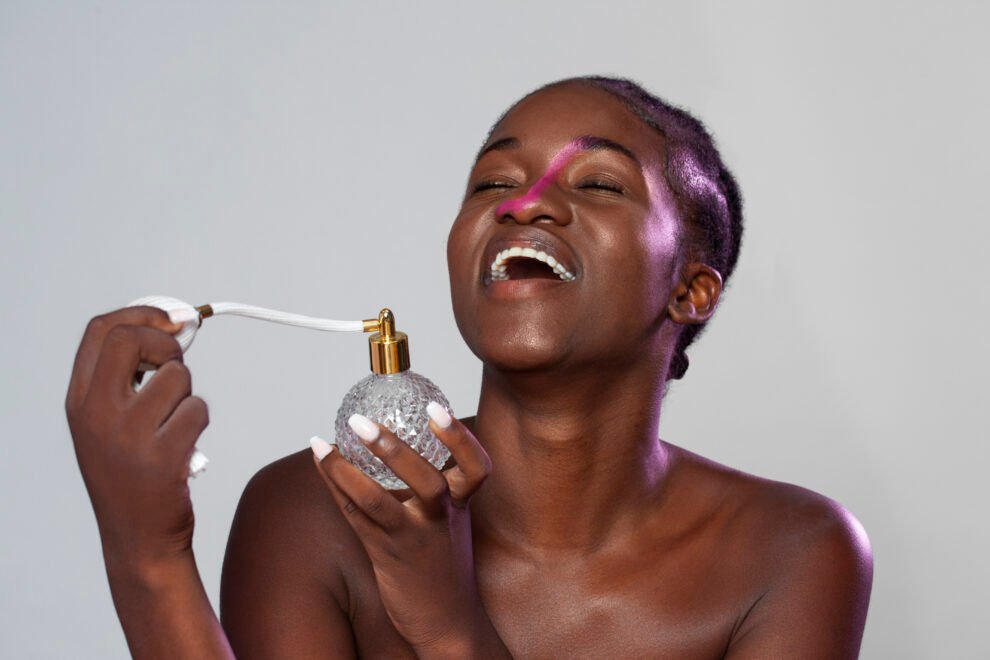
Finding a signature perfume is an intimate process. A fragrance interacts directly with your skin chemistry, temperature, and environment, meaning what smells divine on a blotter strip might feel completely different on you after two hours.
Understand fragrance concentrations
Before testing scents, pay attention to the perfume’s concentration level. The concentration determines both longevity and projection strength:
- Parfum / Extrait de Parfum (20%–30% concentration): The most potent and longest-lasting option, staying on the skin for 8 to 12 hours. Best for evening wear or cold climates.
- Eau de Parfum / EDP (15%–20% concentration): The standard balance of strength and longevity. Typically lasts 6 to 8 hours and works well for daily or signature wear.
- Eau de Toilette / EDT (5%–15% concentration): Lighter and more refreshing, lasting around 3 to 5 hours. Ideal for spring, summer, or office environments.
- Eau de Cologne / EDC (2%–4% concentration): Very light citrus-driven blends designed to refresh quickly, lasting 1 to 2 hours.
Identify your preferred scent family
Most fragrances fit into major olfactory families. Knowing which scent profiles you naturally gravitate toward helps narrow down your choices quickly:
| Fragrance family | Common notes | Mood & occasion |
| Floral | Rose, jasmine, peony, tuberose | Romantic, classic, daytime |
| Fresh / Citrus | Bergamot, lemon, aquatic notes, green tea | Crisp, energising, warm weather |
| Woody | Sandalwood, cedarwood, vetiver, patchouli | Grounded, sophisticated, unisex |
| Amber / Oriental | Vanilla, amber, spices, tonka bean | Warm, sensual, evening wear |
Learn the three layers of notes
Fragrances evolve over time as their volatile oils evaporate. When testing a fragrance, give it time to move through its three stages:
- Top notes (0 to 15 minutes): The initial burst you smell right after spraying. These light, volatile notes, often citrus or light fruits, evaporate rapidly.
- Heart/Middle notes (15 minutes to 4 hours): The true core of the fragrance. Floral, spice, or green notes emerge as the top notes clear.
- Base notes (4+ hours): Deep, heavy ingredients like woods, resins, musk, and vanilla anchor the fragrance and linger on your skin the longest.
Test on skin, not paper strips
Blotter cards are useful for a quick initial impression, but they do not reflect how a scent will react to your skin’s natural oils and body temperature.
- Limit testing sessions: Test a maximum of two to three fragrances at a time, one on each wrist and optionally one on an inner elbow.
- Do not rub your wrists: Friction breaks down the delicate top-note molecular structure and alters the intended evolution of the scent.
- Give it time: Wait at least 2 to 4 hours before making a purchasing decision so you can experience the dry-down phase of the base notes.
Match your fragrance to climate and season
Heat intensifies scent molecules, while cold suppresses them. Adapting your scent choices to seasonal shifts ensures optimal performance:
- Warm seasons (Spring & Summer): High heat causes fragrances to project strongly. Opt for lighter Eau de Toilette formulations featuring citrus, aquatic, or soft floral accords.
- Cold seasons (Fall & Winter): Cold air dampens scent projection. Choose richer Eau de Parfum blends with amber, heavy woods, warm spices, or rich gourmand vanilla to cut through the cold.
For more, click HERE to join our WhatsApp channel!





Add Comment