





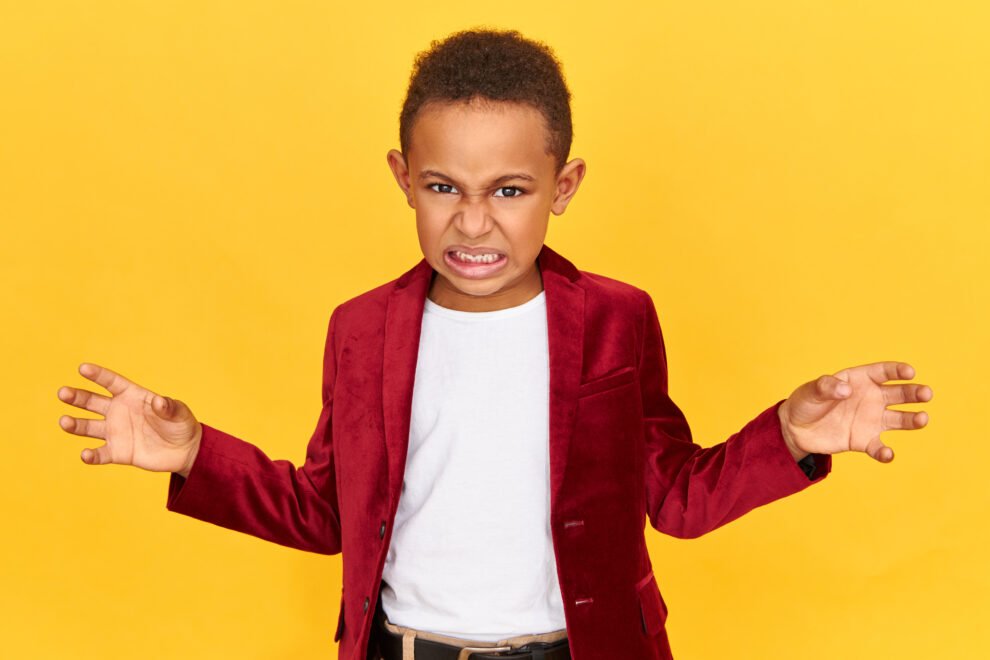
As parents, our natural instinct is to shield our children from harm, especially from bullies at school or on the playground. But few parents are prepared for the painful realisation that their own child might be the one causing harm to others.
Bullying in childhood and adolescence rarely starts overnight. It often develops gradually, creeping into a child’s social interactions through subtle changes in their attitude, peer dynamics, or coping mechanisms. Spotting these signs early allows parents to intervene constructively before harmful behaviours become deeply ingrained habits.
Here is what parents should look for, along with practical steps to address bullying behaviour before it escalates.
Look beyond the traditional stereotype of a bully
The popular image of a bully is often a physically aggressive child who openly intimidates others. In reality, some bullying, especially relational and cyberbullying, is much more nuanced.
Children who engage in bullying often display:
- Many bullies are socially adept, popular, and well-liked by adults, using their influence to subtly exclude, manipulate, or control peers.
- A child who constantly insists on dictating games, rules, and group dynamics, and becomes overly aggressive or vengeful when things don’t go their way, may be leaning into bullying behaviour.
- Pay attention to how your child reacts when a classmate or sibling gets hurt, fails, or feels excluded. A persistent lack of concern or a tendency to laugh at others’ misfortunes is a major red flag.
Pay attention to household attitudes and peer dynamics
A child’s behaviour away from home is often reflected in small, everyday actions and conversations around the family dinner table or during car rides.
Keep an eye out for these subtle indicators:
- Does your child frequently use harsh labels, mock physical appearances, or talk down about specific classmates or friends?
- Coming home with extra pocket money, gadgets, toys, or items that do not belong to them, without a clear, believable explanation, can be a sign of extortion or coercion.
- Children who bully often refuse to take responsibility for their actions, blaming victims with phrases like “It was just a joke.”
Monitor digital interactions and screen time behaviours
In today’s connected world, cyberbullying is one of the most common and damaging forms of peer harassment. Because it happens behind screens, parents can easily miss the signs.
Watch for these online warning signs:
- Switching screens quickly when an adult walks into the room, maintaining hidden secondary social media accounts (“finstas”), or using anonymous messaging apps.
- An intense preoccupation with follower counts, group chat admin controls, or using online status to exclude specific peers from group messages.
- Periodically checking your child’s digital footprint and messages may reveal a side of their social life they keep hidden from adults.
How to intervene constructively if you suspect a problem
Discovering that your child is engaging in bullying can bring up feelings of guilt, shock, or defensiveness. However, reacting with anger or complete denial will not solve the underlying issue.
Instead, take a calm, structured approach:
- Make it clear that while you love your child unconditionally, bullying behaviour is completely unacceptable and will carry clear consequences.
- Help your child understand the emotional impact of their actions by asking guided questions, such as “How would you feel if someone treated you or your sibling that way?”
- Guide your child to apologise sincerely and take active steps to repair the harm they caused, whether through a written letter or restorative actions at school.
- If aggressive or manipulative behaviours persist, working with a school counsellor, child psychologist, or family therapist can help uncover root causes, such as low self-esteem, anxiety, or peer pressure.
Catching bullying behaviours early isn’t about labelling your child as “bad.” It is about stepping in as a guide, teaching accountability, and helping them grow into a compassionate, respectful adult.
For more, click HERE to join our WhatsApp channel!




Add Comment