





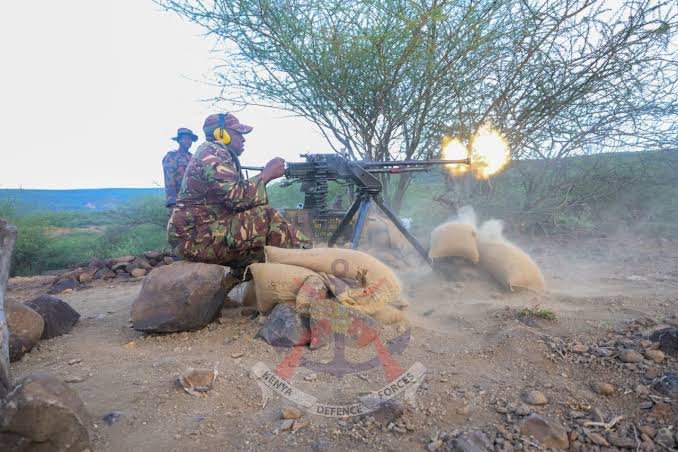
For families across Kenya, national security is deeply tied to peace of mind at home. In a significant step toward safeguarding communities from modern emergencies, the Kenya Defence Forces (KDF) recently sent a specialised team of military experts to South Africa for advanced training on handling chemical, biological, nuclear, and explosive (CBRNE) threats.
While headlines about military partnerships often feel distant from everyday family life, preparedness for hazardous materials and public health emergencies directly impacts civilian safety, hospital readiness, and disaster response.
Why this training matters for Kenyan families
The Kenyan delegation travelled to Centurion, South Africa, to exchange knowledge with the South African Military Health Service (SAMHS) and its specialised 7 Medical Battalion Group.
Led by Air Force Brigadier Benedetta Margaret Kikechi, who heads research and development at Defence National Security Industries, the team included members of Kenya’s Chemical, Biological, Nuclear and Explosive Doctrine Development Committee. This committee is tasked with writing the official playbooks and procedures Kenya uses when responding to dangerous substances.
By learning from South Africa’s seasoned specialists, the KDF is strengthening how the country responds not only to security threats, but also to industrial accidents, hazardous chemical leaks, and large-scale medical emergencies.
Inside the partnership between two African powerhouses
South Africa’s 7 Medical Battalion Group is recognised across the continent for managing high-risk medical and emergency operations. During the visit to the battalion’s headquarters in Lyttelton, where they were received by SAMHS Deputy Chief Major General Mcebisi Mdutywa, the Kenyan team observed best practices in:
- Threat identification: Quickly detecting and confirming the presence of toxic chemicals, biological hazards, or radioactive materials.
- Decontamination: Safely cleaning up exposed environments so communities and first responders are protected from lingering harm.
- Specialised emergency care: Providing urgent medical support in high-risk environments, ensuring military healthcare teams can treat victims safely during complex crises.
Building on a broader national safety plan
This regional collaboration builds on Kenya’s recent domestic efforts to keep citizens safe. In November 2025, Kenya launched its first unified National Action Plan on CBRN security in Embakasi, complete with emergency simulation drills, such as managing a chlorine gas leak, to test how security forces and medical responders coordinate during a crisis.
Furthermore, the South African exchange follows a September 2026 capacity-building exercise north of Pretoria linked to the Organisation for the Prohibition of Chemical Weapons (OPCW), signalling growing pan-African cooperation in keeping the region safe.
For parents raising children in a rapidly industrialising nation, knowing that Kenya’s defence and medical specialists are proactively training with the continent’s top emergency teams offers welcome reassurance. Through regional teamwork and continuous learning, Kenya is investing in the behind-the-scenes expertise needed to keep families safe before an emergency ever strikes.
For more, click HERE to join our WhatsApp channel!





Add Comment