










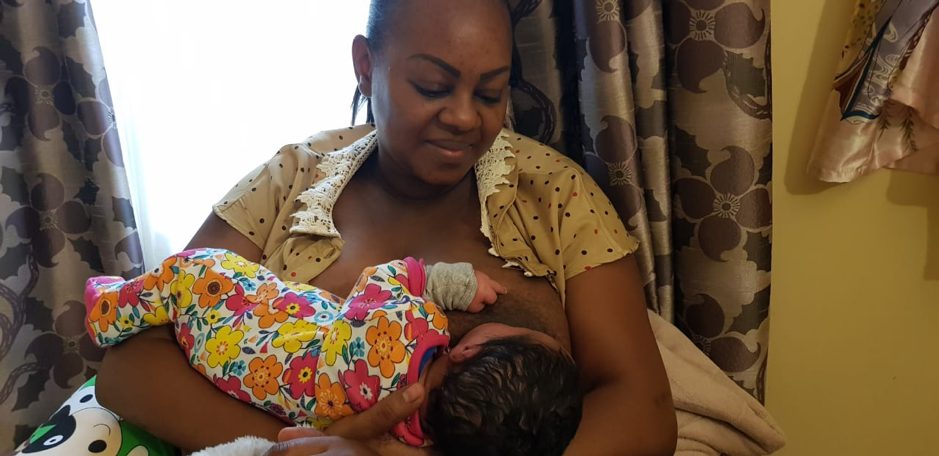
On 14 October 2026, the National Assembly of Kenya unanimously approved the Breastfeeding Mothers Bill, 2024, marking a significant step towards protecting the rights of lactating mothers in the workplace and in public spaces. Sponsored by Nominated Member of Parliament Sabina Chege, the legislation seeks to create a more supportive environment for women balancing employment with childcare responsibilities. The Bill now awaits presidential assent before becoming law.
Background to the Legislation
Kenyan working mothers have long faced practical barriers to continued breastfeeding after returning to work. Many report having to express milk in toilets, store it in inadequate conditions, or stop breastfeeding earlier than recommended due to the absence of suitable facilities and inflexible work arrangements. The Bill addresses these challenges by placing clear legal obligations on employers and public facility operators. It also aims to reduce the number of women who exit the workforce prematurely because of insufficient support for breastfeeding.
Main Provisions of the Bill
The legislation sets out the following key requirements:
- Employers must provide a dedicated lactation room that is private, clean, secure and free from intrusion. The room must have a lockable door, a washbasin, a refrigerator for storing expressed breast milk, adequate lighting, an electrical outlet, a chair, a table, and clean storage space for equipment. The room must not be a toilet or bathroom.
- Employers must grant breastfeeding mothers reasonable breaks during working hours to breastfeed or express milk. The specific duration of these breaks will be set by regulations from the Cabinet Secretary responsible for labour.
- Breastfeeding mothers have the right to apply for flexible working arrangements, including adjustments to working hours, duties or work location.
- Breastfeeding in public places is protected and shall not be regarded as an indecent act. Interference with this right is an offence.
- Owners, lessees or tenants of public buildings with a minimum occupancy of 50 people must install baby-changing facilities.
- Non-compliance with the lactation room requirements is an offence punishable by a fine not exceeding one million Kenyan shillings or imprisonment for a term not exceeding one year, or both. Continuing offences attract an additional daily fine of ten thousand shillings. Similar penalties apply to other breaches under the Act.
Implications for Employers, Mothers and Society
The Bill is expected to encourage longer breastfeeding durations, which public health authorities consistently link to better infant health outcomes and reduced healthcare costs. For employers, the requirements introduce new infrastructure and administrative responsibilities, particularly for smaller businesses that may need guidance and time to adapt. Supporters argue that the long-term benefits, higher retention of female employees and improved workplace equity, outweigh the initial costs.
Advocacy groups and women’s organisations have welcomed the legislation as a progressive measure that aligns Kenya more closely with international labour standards on maternity protection. Critics, however, note that effective implementation will depend on clear regulations, adequate inspection capacity, and awareness campaigns so that both employers and mothers understand their rights and obligations.
Click HERE to join our Whatsapp Channel




Add Comment