










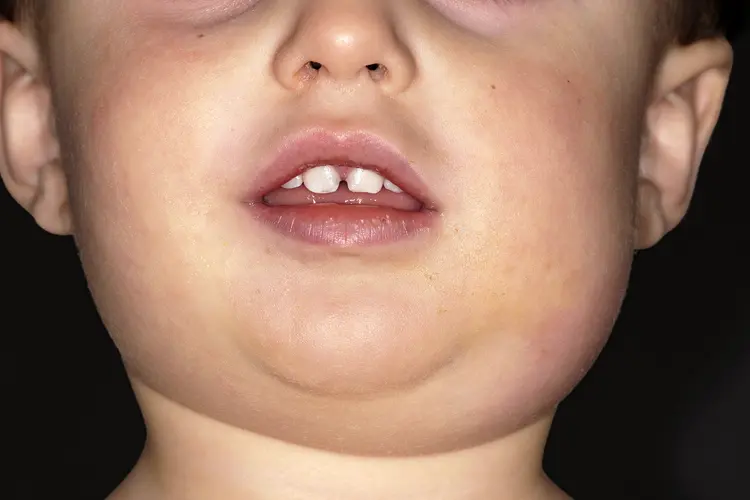
Mumps is a contagious viral infection caused by the mumps virus, a member of the paramyxovirus family. It mainly affects the salivary glands, particularly the parotid glands located just in front of the ears, leading to the characteristic painful swelling of the face and jaw.
Symptoms
Symptoms usually appear 16 to 18 days after infection (ranging from 12 to 25 days). Early signs often resemble a mild flu and may include:
- Fever
- Headache
- Muscle aches
- Tiredness
- Loss of appetite
These are typically followed by swelling and tenderness of one or both parotid glands, giving the cheeks a puffy or “hamster-like” appearance. The swelling can last several days. Some people, especially those who have been vaccinated, may experience only mild symptoms or none at all.
How mumps spreads
The virus spreads through respiratory droplets released when an infected person coughs, sneezes or talks. It can also pass via direct contact with saliva. For example, by sharing drinks, utensils, or through kissing and by touching contaminated surfaces and then touching the mouth or nose. An infected person is contagious from about two days before the swelling begins until approximately five days afterwards.
Possible complications
Most people recover fully within one to two weeks. However, complications can occasionally occur, particularly in adolescents and adults. These may include:
- Inflammation of the testicles (orchitis) or ovaries (oophoritis)
- Meningitis or encephalitis (inflammation of the brain or its lining)
- Hearing loss (usually temporary, rarely permanent)
- Pancreatitis
Prevention
The most effective way to prevent mumps is vaccination with the MMR (measles, mumps and rubella) vaccine. Two doses provide strong protection, although immunity against mumps can gradually decline over time. Additional preventive measures include:
- Frequent handwashing with soap and water
- Covering the mouth and nose when coughing or sneezing
- Avoiding the sharing of cups, bottles, cutlery or other items that come into contact with saliva
- Staying away from others when symptomatic
Treatment
There is no specific antiviral treatment for mumps. Care focuses on relieving symptoms:
- Rest
- Plenty of fluids
- Soft foods that do not require much chewing
- Pain relief and fever-reducing medicines (such as paracetamol or ibuprofen), following medical advice
Most cases resolve on their own. Medical attention should be sought if symptoms are severe, if there is difficulty swallowing or breathing, or if signs of complications appear. Mumps remains a preventable illness. Maintaining good hygiene and ensuring vaccination where available significantly reduce the risk of infection and its potential complications.
For more, click HERE to join our WhatsApp channel!





Add Comment