





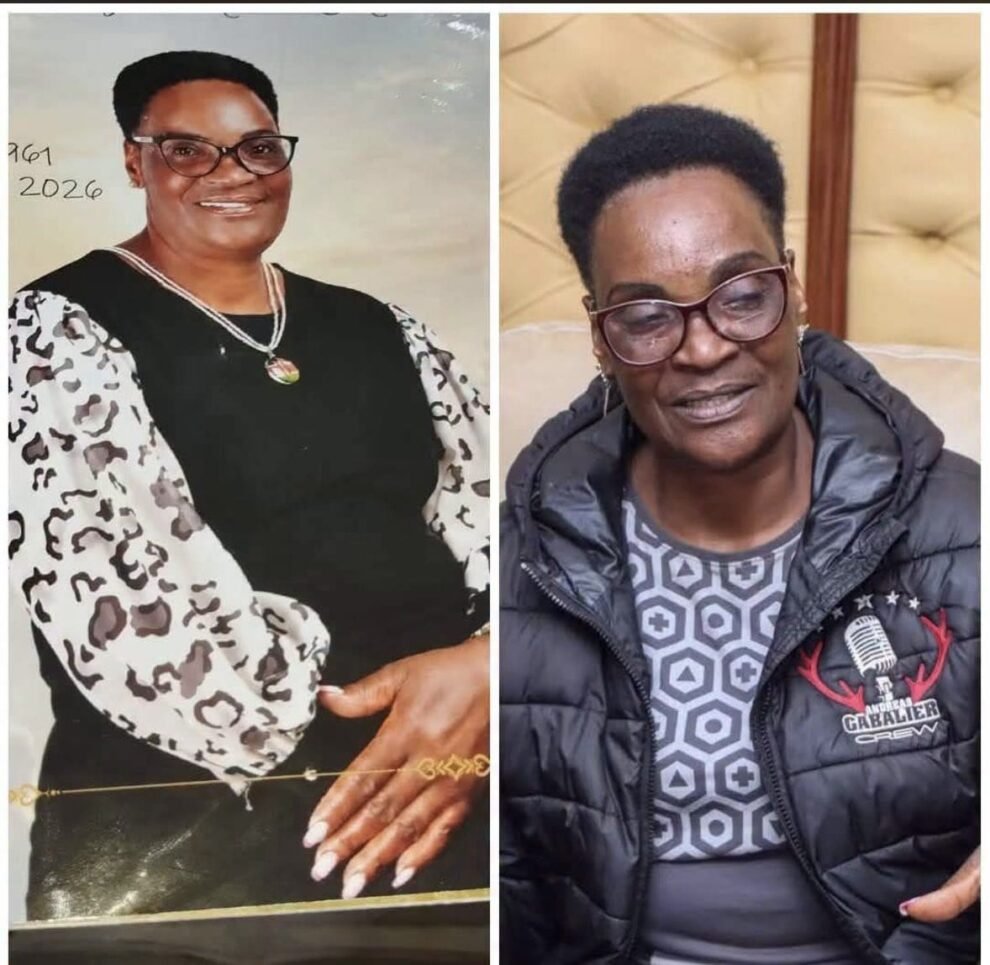
In a quiet kitchen in Meru County, 65-year-old Evelyne Mukiri Mbaabu was preparing supper with her 13-year-old grandson when a stranger walked in and asked for a cup of water. Moments later, she lay dying on the floor from multiple machete wounds. The boy was also attacked as he tried to help.
That August evening in Kithoka Village claimed the life of the North Imenti CDF committee member. Months later, detectives arrested not just the alleged attacker, Solomon Kathurima Kairemia, but also her own brother, Godwin Kimathi and her sister-in-law, Beth Muthomi. Police say the killing was carefully planned over a long-running family land dispute.
The case of Evelyne Mukiri Mbaabu is not isolated. Across Kenya, a disturbing pattern continues to emerge: sons, daughters, brothers and other relatives turning on elderly parents and siblings in the fight for land and inheritance.
Land has become a matter of life and death
In many Kenyan communities, land is more than soil. It represents security, status, identity and the only real wealth most families will ever own. As parcels shrink through successive generations and economic pressures mount, the competition intensifies.
When parents grow older, some children begin to view them not as the people who raised them, but as obstacles standing between them and the title deed. In some coastal areas, elderly people have been accused of witchcraft and killed so that relatives can take control of their land. Elsewhere, bitter succession battles drag on for years in the courts while families tear themselves apart.
Recent cases show the same theme repeating: a parent refuses to subdivide land early, a will is contested, or one sibling feels short-changed. What begins as arguments at family meetings sometimes ends in bloodshed, as seen in the brutal murder of Evelyne Mukiri Mbaabu.
The deeper reasons behind the killings
Several factors fuel this crisis. Population growth has made land scarcer. Many young people face limited job opportunities and see inheritance as their only path to economic survival. Cultural expectations still place heavy importance on male heirs controlling family property, creating intense pressure and resentment.
Greed also plays a powerful role. Some children develop a strong sense of entitlement, believing the land is already theirs by birthright. When parents delay transfer or favour one child, frustration can turn deadly. In other instances, alcohol, domestic conflict and the influence of outsiders escalate tensions beyond control.
Experts note that many of these murders are not spontaneous. They are planned, sometimes involving hired killers, false accusations or carefully staged confrontations. The Meru case, where Godwin Kimathi and Beth Muthomi allegedly hired Solomon Kathurima Kairemia to carry out the attack on Evelyne Mukiri Mbaabu, fits this pattern of calculated violence.
A growing national concern
Courts in the North Rift and other regions are overwhelmed with succession cases. Magistrates have publicly warned young people against assaulting or threatening their parents over property, noting that such behaviour invites both legal consequences and lasting family curses.
Government officials have also spoken out. Lands Cabinet Secretary Alice Wahome previously warned against the killing of elderly parents for title deeds, particularly in areas where many old people fear collecting their documents because of threats from their own children.
Yet the killings continue. Each new case shocks the public for a few days before fading, only for another similar tragedy to surface elsewhere.
What can stop the bloodshed?
Solving the problem requires more than police action after the fact. Families need clearer succession planning, greater use of written wills, and stronger community mediation before disputes turn violent. Parents who involve their children early in transparent discussions about inheritance may reduce the bitterness that later explodes.
At the same time, society must confront the uncomfortable truth: when land becomes more valuable than human life, something fundamental has broken in family relationships.
The image of Evelyne Mukiri Mbaabu murdered while cooking for her grandson should haunt the nation. It is a stark reminder that the fight for soil can destroy the very people who once nurtured it. Until attitudes change, more families will continue to bury their dead while fighting over the land left behind.
Click HERE to join our Whatsapp Channel





Add Comment