










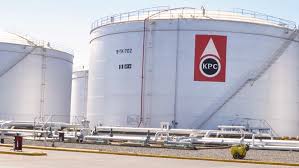
As the February 19, 2026, deadline for the Kenya Pipeline Company (KPC) Initial Public Offering (IPO) approaches, a heated debate has emerged between the government and financial analysts. While National Treasury CS John Mbadi is making a final push to woo local investors, independent analysts are raising red flags over the KSh 9.00 share price.
Here is a comprehensive breakdown of what you need to know before putting your money into KPC.
Why is the government asking you to buy?
The government is offloading a 65% stake in KPC, aiming to raise approximately KSh 106.3 billion. According to CS Mbadi, this move is essential for several reasons:
-
Funding national projects: The proceeds are earmarked for the national infrastructure fund to finance mega-dams, irrigation, health, and education.
-
Reducing debt reliance: With the country’s borrowing at its limit and taxpayers strained, the state is looking to unlock value from mature assets rather than taking more loans.
-
Spreading wealth: The government wants ordinary Kenyans to own a piece of a profitable, debt-free monopoly that earned KSh 8.4 billion in profit last year.
How to buy KPC stocks
While the IPO process is digital-first, here is the general roadmap for interested investors:
-
CDSC Account: You must have a Central Depository and Settlement Corporation (CDSC) account. If you don’t have one, you can open it through a licensed stockbroker or certain banking apps.
-
M-PESA Integration: Recent updates, such as Safaricom’s M-PESA feature for NSE shares, have made it easier to buy and sell stocks directly from your phone.
-
Stockbrokers: You can use Investment agents to place your bid.
Why KPC is attractive
-
Monopoly Status: KPC holds 91% market share in fuel transport in Kenya and serves regional markets such as Uganda and Rwanda.
-
Dividend Payouts: KPC has a policy of paying out 50% of its profits as dividends. It recently remitted KSh 10.5 billion to the Treasury, suggesting a steady income stream for shareholders.
-
Asset-Rich: The company is debt-free with assets (pipelines and storage) valued at KSh 163 billion.
Is KSh 9 too expensive?
This is where the buyer-beware signs are flashing. While the government insists on KSh 9.00, several independent analysts believe the stock is overpriced:
-
Old Mutual Uganda: Value the shares at KSh 4.61, suggesting the government’s price is nearly double what it should be.
-
NCBA & Standard Investment Bank: Their valuations range between KSh 5.61 and KSh 6.35.
Analysts warn that if you buy at KSh 9.00, the share price might drop immediately after it starts trading on the Nairobi Securities Exchange (NSE) as the market corrects to its actual fair value.
Related alternatives
If you are hesitant about the KPC valuation but want to invest your money, consider these options:
-
Infrastructure Bonds: These often offer double-digit interest rates and are tax-free. Analysts note that these bonds currently offer better yields than KPC’s expected dividends.
-
Money Market Funds (MMFs): These provide high liquidity and decent returns with lower risk than individual stocks.
-
Other NSE Utilities: Stocks like KenGen or Safaricom are already trading and have established track records of price discovery, making them potentially safer entries into the equity market.
Bottom line
The KPC IPO is an opportunity to own a national strategic asset, but the price tag is a major point of contention. If you believe in the long-term monopoly power of KPC, it may be worth the entry. However, if you are looking for immediate value, you might want to wait for the post-listing correction or look toward high-yielding government bonds.
For more, click HERE to join our WhatsApp channel!





Add Comment