










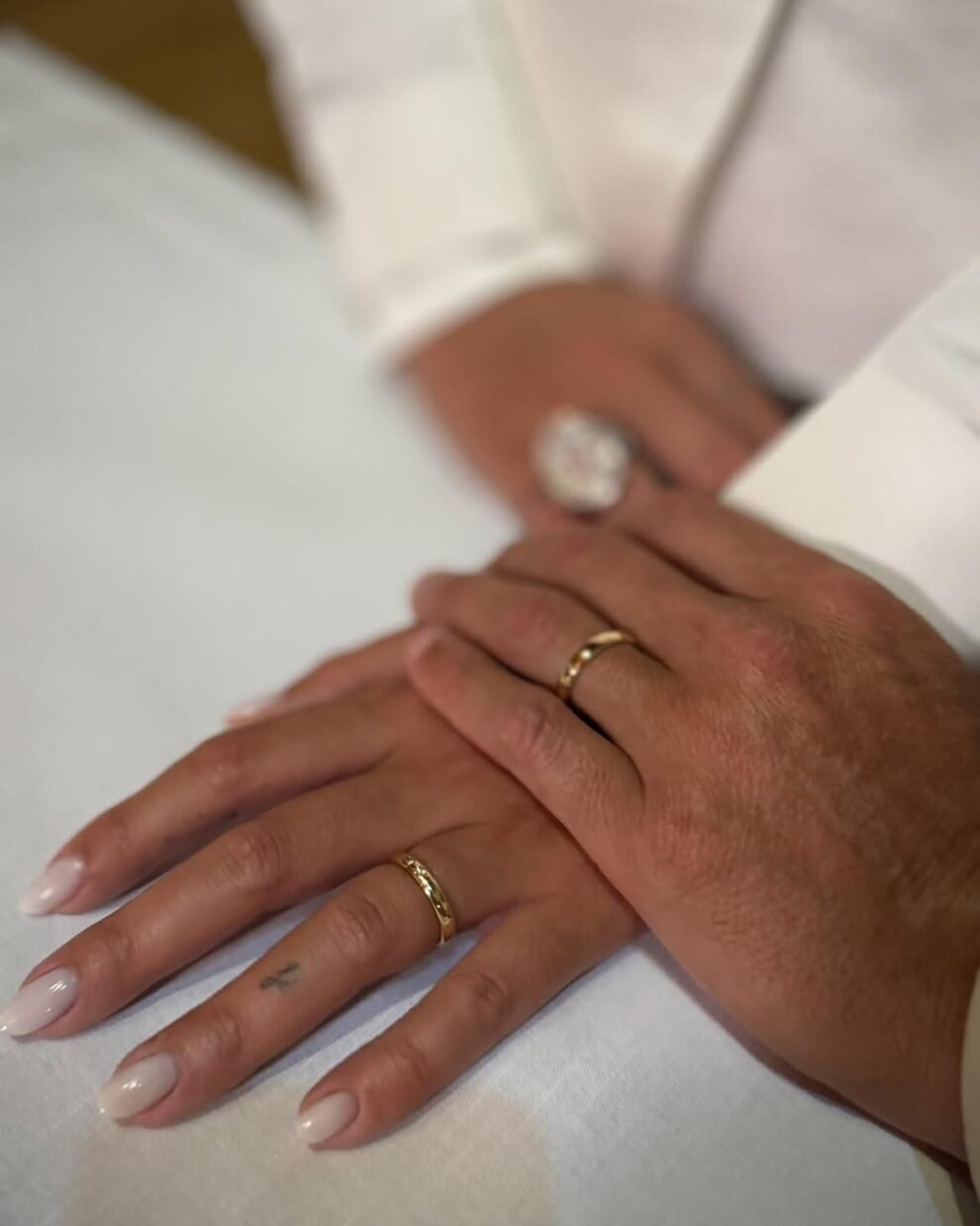
For generations, marriage has been presented as one of the most important milestones in an African person’s life. Finish school, find a job, get married and start a family. For many, it is almost treated as the natural conclusion of adulthood. But something is changing. More young people are questioning whether marriage should still be the ultimate goal.
This does not necessarily mean that young people have stopped believing in love. Rather, they are beginning to separate the idea of finding a partner from the idea of finding fulfilment.
In the past, remaining unmarried, particularly for women, could attract judgement and endless questions from family and society. Today, however, more young adults are comfortable saying that they would rather remain single than enter a marriage simply because they have reached a certain age.
Social media has also exposed people to different ways of living. Young adults can see people building successful careers, travelling, investing, pursuing their passions and creating fulfilling lives without necessarily being married. This has challenged the traditional belief that marriage is the ultimate marker of a successful life.
For some, the decision to delay marriage is practical. The cost of living is rising, careers are demanding and many young people are still trying to establish financial stability. Marriage is no longer viewed as something that can simply happen because two people are in love. There are conversations around finances, emotional maturity, compatibility, career ambitions, parenting and personal values.
There is also a growing awareness that marriage itself does not guarantee happiness.
Stories of unhappy marriages, divorce, infidelity and unhealthy relationships have made some young people more cautious. Rather than rushing into marriage to meet societal expectations, they would rather wait until they find a relationship that genuinely works for them.
For women especially, economic independence has changed the conversation. A woman who can support herself may feel less pressure to marry simply for financial security. She may choose a partner because she wants companionship, partnership and love, not because she needs someone to provide for her.
But there is another side to the conversation. Marriage still holds significant cultural, religious and personal value for many people. Wanting marriage is not outdated, just as choosing not to marry does not automatically mean someone is afraid of commitment.
Perhaps the real shift is that marriage is becoming a choice rather than an obligation.
The question young people are increasingly asking is no longer, “When will you get married?” but “What kind of life do you want to build?” For some, that life will include marriage and children. For others, it may involve a career, friendships, travel, community or personal goals without a spouse.
The challenge for society is learning to respect both choices.
Marriage can be a beautiful part of life, but it does not have to be the measure of whether someone has succeeded. A person can be unmarried and fulfilled, just as someone can be married and unhappy.
Perhaps the goal should not simply be to get married. The goal should be to build a meaningful life, and if marriage becomes part of that life, it should be because two people genuinely choose each other, not because society decided they were running out of time.
Read More: Does Religion Have An Effect on Modern-Day Relationships?
For more, click HERE to join our WhatsApp channel!





Add Comment