










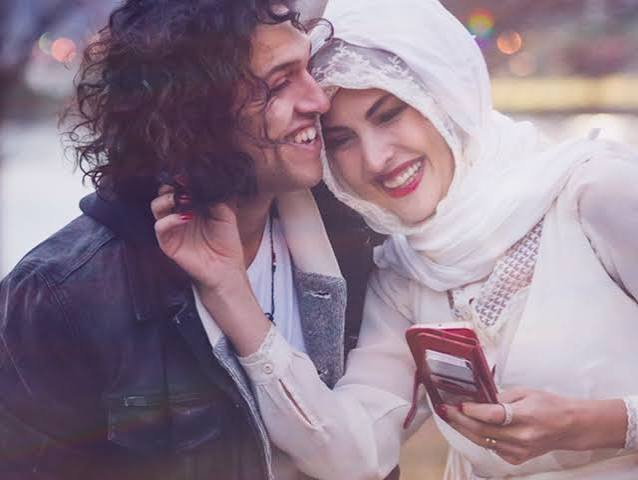
A common-occurring trend in modern-day relationships revolves around the fact that one party might be overly religious compared to their partner; in essence, love may bring two people together, but religion can influence where that relationship goes. From dating and marriage to family expectations and raising children, faith can quietly shape some of the biggest decisions couples make.
In modern relationships, however, religion does not always look the way it did for previous generations. More young people are meeting and forming relationships with people from different religious backgrounds, while others are questioning traditions they grew up with. This raises an interesting question: does religion still have a major effect on relationships today?
When faith becomes part of compatibility
For people who take their faith seriously, religion can be more than attending a place of worship. It can influence values, lifestyle choices, ideas about marriage and family, and expectations within a relationship.
Having similar beliefs can make some couples feel that they are working from the same foundation. They may pray together, attend religious services together or share similar views about important life decisions.
Research by the Pew Research Center shows that 74% of married U.S. adults surveyed in 2023–2024 had a spouse who shared their religion, while 26% had a spouse with a different religious identity. Among married adults, 51% said their religious beliefs were very similar to their spouse’s.
This does not mean couples need to share the same beliefs to have a healthy relationship. It simply shows that faith can still play a role in how people choose partners and understand compatibility.
The reality of interfaith relationships
Modern dating has made it easier for people to meet someone outside their religious community. A Christian may fall in love with a Muslim, a religious person may date someone who does not identify with a faith, or two people from different Christian denominations may find themselves navigating their differences.
These relationships can work, but they often require honest conversations.
Questions that might seem far away when a relationship is new can eventually become important: Will we marry in a religious ceremony? Which traditions will we follow? How will we celebrate religious holidays? What will we teach our children?
According to Pew Research Center’s latest data, people in same-religion marriages are more likely to discuss religion with their spouses regularly than those in religiously mixed marriages. Still, religious disagreements are not automatically a sign of an unhealthy relationship.
When family gets involved
Sometimes, the biggest challenge is not the couple themselves but the people around them.
Families can have strong expectations about who their children should marry. Religious traditions may influence these expectations, particularly when marriage is viewed as joining not only two people but also two families.
A couple might be comfortable with their differences, yet face questions from parents and relatives about weddings, religious ceremonies, holidays or future children.
This is where communication becomes important. Couples need to understand what their faith means to each other rather than assuming that one person’s beliefs automatically apply to both.
Can love exist without sharing the same faith?
Religion is only one part of a relationship. Shared interests, communication, respect, trust, emotional support and the ability to resolve disagreements also matter.
In a Pew Research Centre survey, shared religious beliefs were considered important by many married adults, but shared interests, a satisfying relationship and sharing household responsibilities ranked higher.
This suggests that having the same religion is not a magic formula for a successful relationship. Two people can attend the same place of worship and still struggle to communicate. At the same time, two people with different beliefs can build a relationship based on mutual respect.
Relationships are changing
Perhaps the bigger change is that relationships today give people more room to decide what works for them.
For some couples, faith remains at the centre of their relationship. For others, it is something personal that each partner practises independently. Some couples negotiate a balance between different traditions, while others choose to focus on shared values rather than religious labels.
The important thing is not necessarily whether two people believe the same things. It is whether they can respect each other’s beliefs without trying to control or change one another.
So, does religion still matter?
Yes, but its influence depends on the people involved.
For someone deeply committed to their faith, religion may be one of the biggest factors when choosing a partner. For someone who considers themselves less religious, it may have little influence at all.
Modern relationships have not made religion irrelevant. Instead, they have created more conversations around it.
At the end of the day, a relationship between people with the same faith still needs communication, while a relationship between people with different faiths needs it even more. Religion can shape a relationship, but it does not have to define it.
The real question may not be, “Do we believe the same thing?” but “Can we respect what each other believes while building a life together?”
Read More: Is Marriage No Longer the Ultimate Goal?
For more, click HERE to join our WhatsApp channel!




Add Comment