
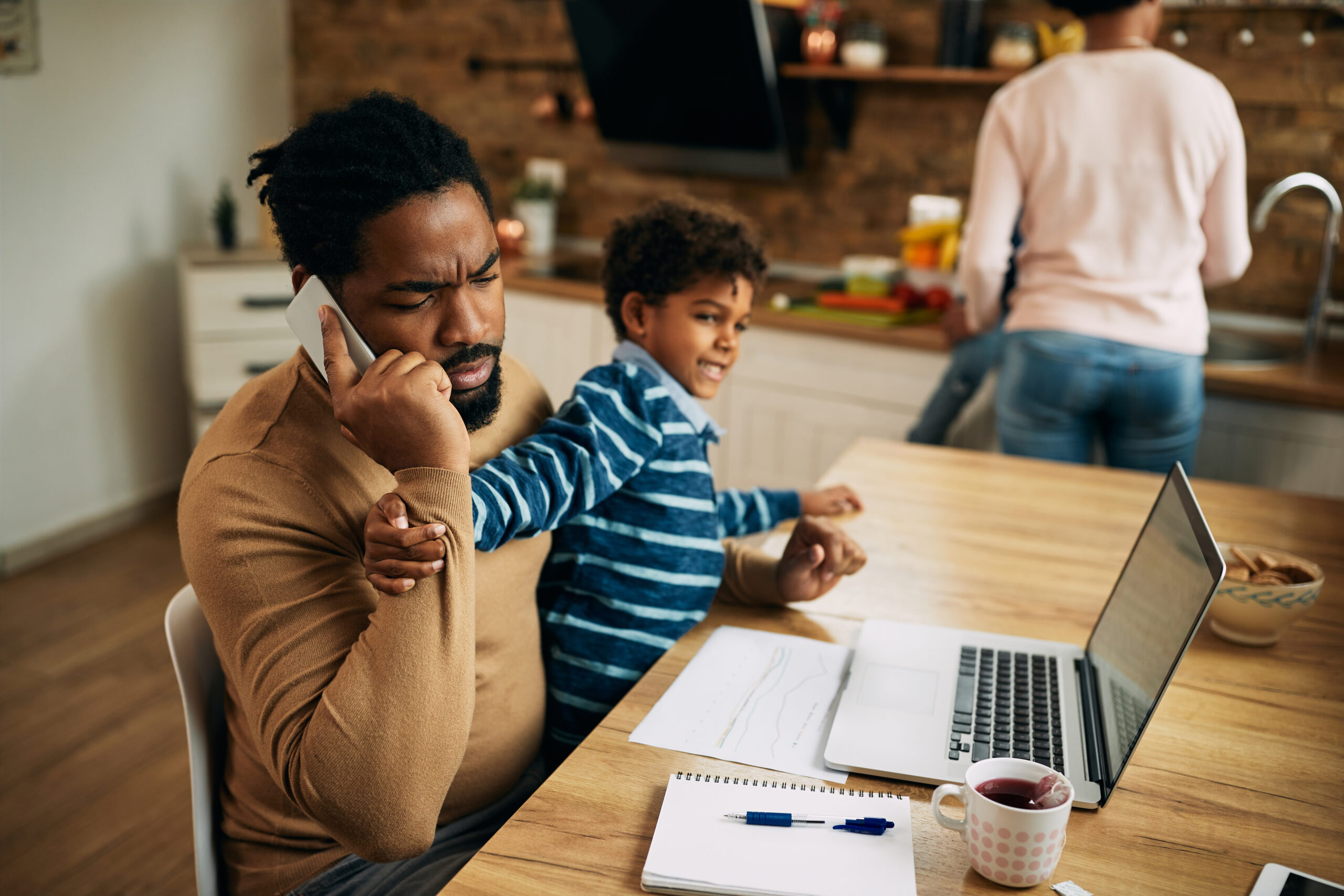
It is common for fathers to go out to earn, while mothers stay home to nurture and manage daily domestic life. Today, economic realities, remote work flexibility, and evolving attitudes toward gender roles are reshaping homes.
Across urban centres and suburban neighbourhoods, a growing number of fathers are stepping into the role of primary daytime caregiver, whether by deliberate family design, between career transitions, or because their partner’s career takes the financial lead.
Yet stepping away from a traditional office to run a household requires far more than babysitting while mum is at work. Men who thrive as stay-at-home dads tend to share a distinct set of personal traits that allow them to navigate both the practical demands of caregiving and the social expectations that surround manhood.
Confidence in the face of social scrutiny
In a culture where a man’s worth is still heavily tied to his public hustle and breadwinning status, choosing or agreeing to stay home with the children takes thick skin. Successful stay-at-home dads rarely let raised eyebrows from extended family, neighbours, or peers rattle their sense of identity.
They understand that providing for a family includes emotional presence, safety, and daily stability, not just paying bills. Rather than apologising for their role, they own it with grounded self-assurance.
High adaptability
Anyone who has spent a full day with a toddler knows that rigid schedules rarely survive past breakfast. Stay-at-home dads who excel at the job treat household management with the same resourcefulness they would bring to a corporate workplace.
Whether improvising a meal out of leftover pantry staples, turning a rainy afternoon into an indoor obstacle course, or troubleshooting a sudden fever before a clinic visit, they pivot quickly without getting bogged down when plans fall apart.
Emotional availability
Historically, many men were raised to view fatherhood primarily through discipline and financial provision, leaving day-to-day emotional comfort to mothers.
Stay-at-home dads break that pattern by becoming deeply attuned to their children’s inner worlds. Because they are present for the small, unscripted moments, they develop sharp emotional literacy. They learn to listen patiently, validate feelings, and offer warmth alongside structure.
Strong organisational and multitasking instincts
Running a home is an exercise in constant logistics all while keeping young children fed and safe. Thriving stay-at-home dads quickly shed the myth that men can only focus on one task at a time. Many bring systems-thinking into the home, using shared family calendars, meal prep routines, and clear household checklists to keep chaos at bay.
Humility and willingness to build a village
Parenting at home can be surprisingly isolating, particularly for men in spaces still dominated by mothers—from pediatric waiting rooms and school WhatsApp groups to playground meetups. Rather than retreating into isolation, effective stay-at-home dads show the humility to ask questions, learn from experienced parents, and build their own support networks. Whether connecting with other hands-on fathers or collaborating closely with their spouses as equal co-parents, they recognize that raising children was never meant to be a solo sport.
Redefining strength for the next generation
Perhaps the most lasting trait of stay-at-home dads is the example they set simply by showing up. Sons grow up seeing that caregiving, cooking, and patience are core parts of manhood, while daughters learn to expect genuine partnership in the home.
By trading rigid stereotypes for daily presence, stay-at-home fathers are proving that strength is measured by the dedication within it.
For more, click HERE to join our WhatsApp channel!