










As headlines report a rising number of confirmed Ebola cases in Kenya, reaching eight cases following an initial imported case linked to the regional outbreak, it is completely natural for parents to feel a sense of anxiety. When health alerts hit home, our primary instinct as mothers, fathers, and caregivers is to protect our children and secure our households.
Here is a clear, parent-focused breakdown of what is happening, what health authorities are saying, and practical steps you can take to keep your family safe without panicking.
What is the situation?
- Kenya’s Ministry of Health has confirmed a total of 8 cases. While the initial index case involved a traveller returning from the Democratic Republic of Congo (DRC), subsequent cases have included frontline healthcare workers who treated the early patients, as well as other close contacts.
- Health officials, including Director General for Health Dr Patrick Amoth, have ramped up contact tracing. However, public concern has grown as a small number of tracked contacts remain untraced or missing, prompting strict warnings and intensive monitoring by medical teams.
- Public health authorities and international bodies are closely monitoring the situation. Medical teams are isolating cases, tracking potential exposures, and reinforcing screening measures.
Why this matters for parents
For parents, any infectious disease alert brings immediate worry about school runs, playgrounds, family gatherings, and community spaces.
The most important reassurance from medical experts is that Ebola does not spread through the air like influenza or COVID-19. It is transmitted only through direct contact with the bodily fluids (blood, vomit, saliva, sweat, or stool) of an infected person who is already showing symptoms, or through contaminated surfaces and items.
However, because children touch everything, put their hands in their mouths, and depend entirely on adults to keep them safe, practising vigilant hygiene is more important than ever.
Practical safety tips for your household
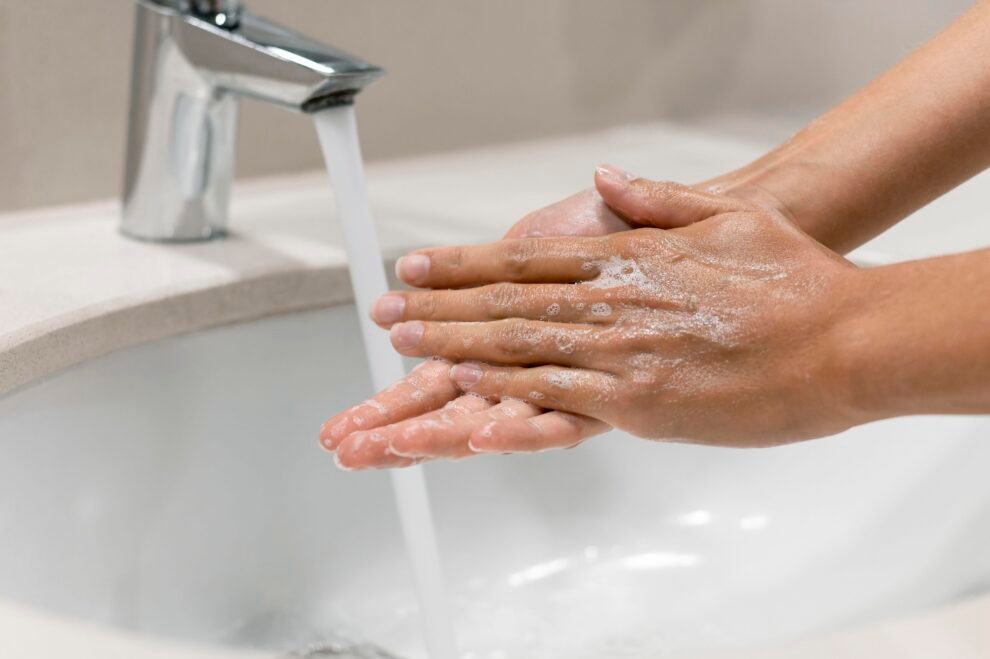
- Teach and remind your children to wash their hands frequently with soap and clean water for at least 20 seconds, or use an alcohol-based hand sanitiser when soap isn’t available. Make handwashing a mandatory routine before eating, after coming home from public places, and after using the restroom.
- Stay informed about the early signs of Ebola, which often mimic other common illnesses like malaria or severe flu:
- Sudden high fever
- Severe headache and muscle pain
- Intense fatigue or weakness
- Sore throat, vomiting, diarrhoea, or unexplained bruising/bleeding
- Keep an eye on official updates from the Ministry of Health and school administrations. If local advisories recommend limiting non-essential movement or large public gatherings, heed those precautions to minimise risk.
- Children absorb our anxiety. If they hear snippets of news or adult conversations, they can become terrified. Sit down with them, use age-appropriate language, and reassure them
- Avoid sharing unverified voice notes, sensationalised social media rumours, or panic-inducing text messages. Stick to updates provided directly by the Ministry of Health and reputable news platforms.
Staying calm, alert, and proactive is our best defence. By keeping hygiene standards high and staying informed, we can navigate this period safely and protect our little ones.
For more, click HERE to join our WhatsApp channel!




Add Comment