










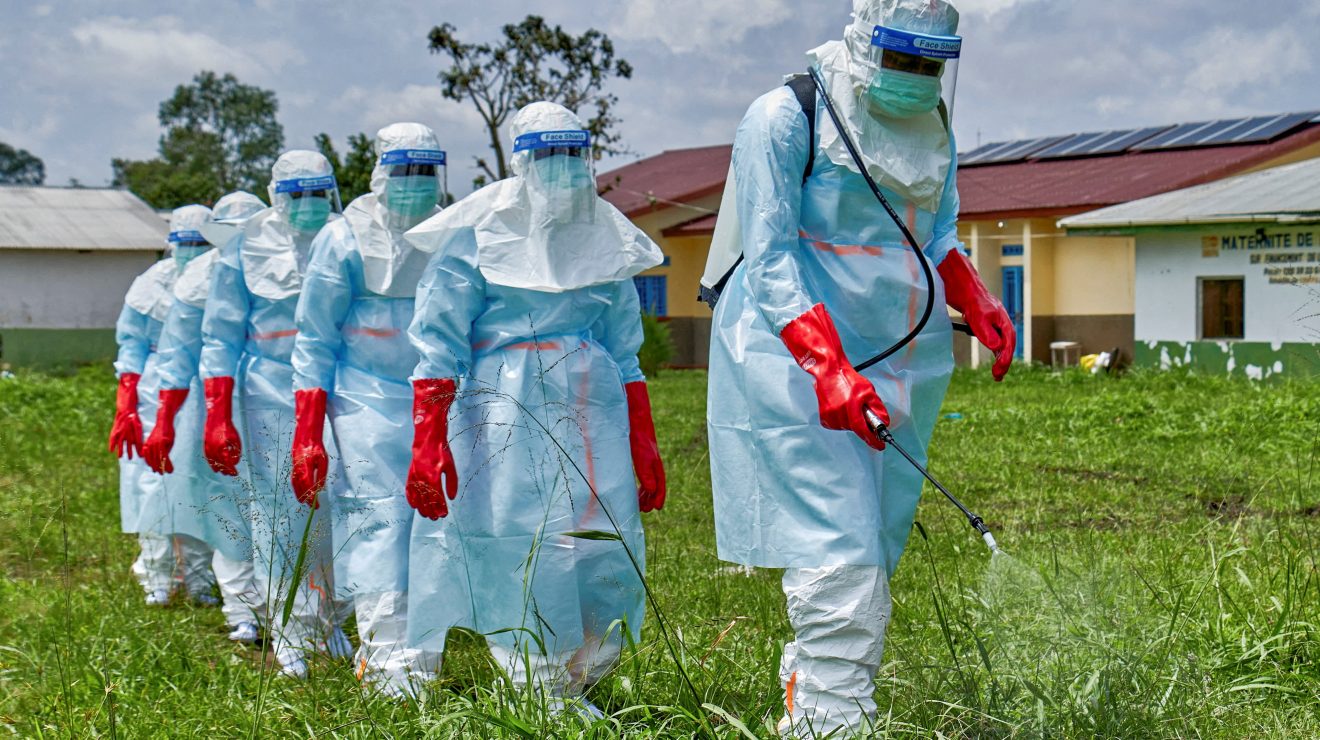
Kenya’s Ministry of Health has confirmed an eighth case of Ebola following an outbreak linked to an imported initial infection from the ongoing regional outbreak in the Democratic Republic of Congo (DRC).
The latest case, confirmed on Sunday by Director-General for Health Dr Patrick Amoth, involves a 49-year-old man who developed symptoms including fever, headache, and muscle pain while in quarantine. Health officials confirmed that the newly diagnosed individual was a designated contact of the outbreak’s index patient.
Key developments
- The cluster originated from a single imported case involving a traveller returning from the DRC, who subsequently died on October 5.
- The recorded cases in Kenya consist primarily of close relatives of the deceased patient and frontline healthcare workers who provided initial clinical care during the patient’s hospital stay.
- All recently confirmed patients were identified and placed under mandatory isolation prior to showing symptoms. Health officials noted that early detection in quarantine has significantly limited the potential for broader community exposure.
- Laboratory testing by the National Virology Reference Laboratory and the Kenya Medical Research Institute (KEMRI) confirmed the presence of the Bundibugyo virus disease (BVD) strain.
Contact tracing and containment measures
Ministry of Health surveillance teams have line-listed over 130 high- and low-risk contacts across healthcare facilities and family networks. More than 98% of these individuals have been successfully located and placed under a 21-day voluntary or facility-based monitoring protocol.
Efforts remain ongoing to trace a small number of remaining contacts who have not yet been located. Health authorities issued a public advisory reiterating that contact tracing is a precautionary measure and that listed individuals are only monitored to ensure immediate care if symptoms arise.
At entry points, thermal screening and dedicated processing channels have been instituted at Jomo Kenyatta International Airport (JKIA) for incoming passenger flights from designated regional outbreak zones.
Official risk assessment
Dr Amoth reiterated that there is currently no evidence of widespread community transmission in Nairobi or other counties. The overall public risk remains assessed as low due to the isolated nature of the identified cases.
“Because all recent cases were identified and isolated while in quarantine, the risk of wider public transmission remains low. Early reporting and strict isolation protocols are saving lives and preventing further spread.”
— Dr. Patrick Amoth, Director-General for Health
The Ministry of Health advises members of the public to practice standard hand hygiene and report any sudden onset of high fever, unusual fatigue, or flu-like symptoms to local health facilities or via the government’s official health hotline.
Also Read: Ebola’s Missing Contacts and Rising Cases: Here Is What Parents Must Do Today
For more, click HERE to join our WhatsApp channel!





Add Comment