
Feature
People Wait Until He Dies: Mwas Pendoni on Supporting Men Before Crisis

Published
19 minutes agoon
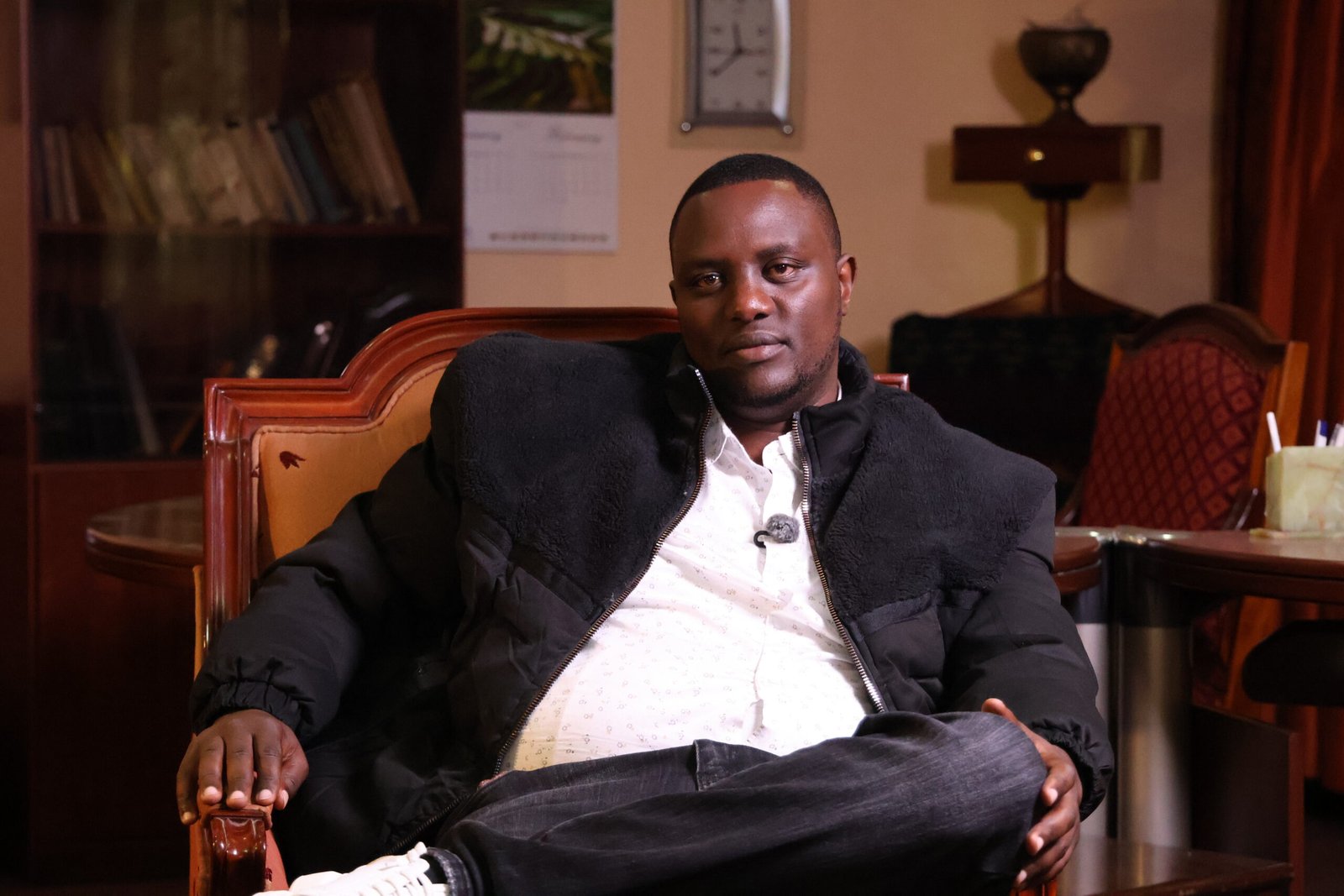
For generations, men have been taught to be strong, provide, protect and endure, but rarely have they been permitted to admit when they are struggling.
Behind many smiles, handshakes and public appearances are men carrying battles such as financial pressure, failed businesses, broken relationships, grief, expectations to provide and the fear of appearing weak.
According to gospel artist, preacher and father of two, Mwas Pendoni, this culture of silence is costing men their lives.
“Many men do not want to speak about anything. They want to die with their burdens,” he says. “And that is unfortunate because we are losing our brothers, our dads and our sons.”
Speaking during a conversation with Parents Africa, Mwas shared his perspective on men’s mental health, drawing from his own experiences, his interactions with other men and his role as a faith leader.
Pressure to appear strong
Mwas says one of the biggest challenges men face is the belief that admitting emotional struggles is a sign of weakness.
“Speaking about your weakness as a man shows how weak you are. You are not man enough to face your challenges. That is the mindset many men have grown up with,” he explains.
Unlike women, who often have spaces where they openly share their struggles with friends and family, men often lack safe environments where they can express vulnerability.
“When women meet, they can talk, cry and console each other. But for men, when you try to speak about your vulnerability, your colleagues may laugh at you. You become ashamed, so you keep quiet.”
This silence, he says, pushes many men to carry emotional pain alone until it becomes overwhelming.
When success disappears: The mental weight of failure
Mwas admits that he has personally experienced moments of emotional difficulty, especially during seasons when his business struggled.
“There was a time I faced a challenge where I could not understand what was happening to me. When you are doing business and things are good, then suddenly the business fails, you start thinking beyond what you can handle.”
He describes how financial struggles affected his emotions and behaviour.
“You find yourself becoming irritated, angry, locking yourself inside the house because you are looking for peace. Sometimes people turn to digital dependency, spending hours playing games or distracting themselves.”
For many men, financial stability is closely tied to identity and self-worth.
“Men measure themselves by what they have, their productivity and their financial status. When you check your M-Pesa or bank account and there is nothing, it affects you.”
The burden of being a provider
Society often places the responsibility of providing on men, creating immense pressure when circumstances change.
Mwas points out that many men who were once able to provide may find themselves struggling because of job losses, business failures or economic challenges.
“Maybe five years ago, a man was very active in providing, but today things are not good. The family has to understand and live according to what they are getting.”
He adds that constant pressure from families and society can worsen emotional struggles.
“We have to understand that men are also human beings. Even leaders, governors and people in high positions can struggle with mental health challenges.”
Marriage, relationships and hidden pain
Beyond finances, Mwas says relationship struggles are another area where many men suffer silently.
“When you make a mistake of marrying the wrong person, many men struggle in this area,” he says, noting that separation, divorce and losing connection with children can be deeply painful.
He explains that some men also carry unresolved grief from losing loved ones, including parents, spouses or children.
“These are things men fight with, but only a few make it through. Some end up needing medical help, while others continue struggling silently.”
The role of faith in healing
As a preacher, Mwas believes the church has an important role to play in supporting men experiencing mental health challenges.
However, he says faith spaces must first acknowledge that mental health is a real issue.
“The church must understand that mental health disorder is a problem. It should not be treated as something insignificant.”
He believes pastors, youth leaders and church officials need training to recognise warning signs and provide support.
“Sometimes someone comes to church and sits there while bleeding inside. They can sing, preach and serve, but nobody knows what they are carrying.”
Confidentiality, he says, is critical.
“If someone shares their struggles, their story should not be spread. Men need safe people they can trust.”
Mental health should not be reduced to spiritual attacks
Mwas also addressed a common concern within some religious spaces, where mental health struggles are sometimes labelled as spiritual problems.
He says leaders need wisdom and understanding before making conclusions.
“A pastor must be trained to understand symptoms. When someone is depressed, you need to understand what they are going through instead of rushing to judge.”
He believes spiritual support and professional mental health care should work together.
Raising emotionally healthy boys
As a father of two sons, Mwas says he is intentional about raising boys who understand their emotions.
“I do not tell my boys that because you are men, you have to hide everything. That is not what I teach them.”
He says boys should be allowed to express pain and emotions.
“If something is hurting you, you can cry. Crying brings healing.”
For him, emotional openness begins at home. He encourages parents to build relationships where children feel safe sharing their struggles.
“I am a friendly father to my children. When they have a problem, they come to me. I do not always chase them away or only discipline them. Sometimes I sit down with them and guide them.”
A call for communities to show up before it is too late
Mwas believes society often waits until tragedy strikes before showing support.
“When someone dies, people come together and contribute huge amounts of money for burial. But when that person was struggling, nobody contributed to help them live.”
He believes communities must become more intentional about supporting struggling men before they reach crisis points.
“We must love one another and take care of one another.”
His message to men is simple: vulnerability is not weakness.
“Accept yourself, understand that you can also fall sick emotionally, and seek help when you need it.”
Because behind every man carrying a silent burden is a person who needs support, understanding and a safe place to speak.
For more, click HERE to join our WhatsApp channel!










You must be logged in to post a comment Login