










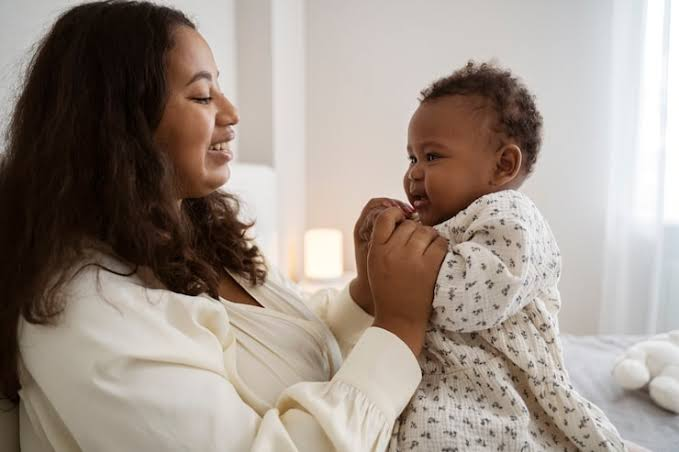
Motherhood has never been a simple role. It is early mornings before the world wakes up, late nights when everyone else is asleep, and a mind that is ever juggling a thousand tasks. But across Africa today, something is happening. Motherhood is no longer being seen only as a role of care. For many women, it is also becoming a space of creativity, resilience, and quiet entrepreneurship.
In kitchens, living rooms, and small rented shops, mothers are building businesses that often begin not with capital, but with necessity. A mother who starts baking mandazi to cover school fees. Another who begins selling thrift clothes after realising the family budget is not stretching far enough. A young mother who turns her phone into a digital storefront, promoting skincare products between school runs and meal prep. What looks like survival is increasingly becoming structured, intentional business.
The truth is that motherhood has always been a form of management. Mothers manage time, people, emotions, and resources with a precision that would be required of a corporate executive. They coordinate school schedules, medical appointments, household budgets, and emotional well-being, often without a formal job title. Now, many are beginning to recognise that these same skills translate directly into entrepreneurship.
Social media has accelerated this shift. Platforms like Instagram, TikTok, and WhatsApp are no longer just for communication. They have become marketplaces. A mother can film a short video while cooking and attract customers for her catering business. Another can showcase handmade baby clothes and receive orders from across her city. The phone, once seen as a distraction, is now a business tool in the hands of many mothers.
Many mothers are running businesses while still carrying the full weight of domestic responsibility. There is no clocking out. Even when sales are made, dinner still needs to be cooked, homework checked, and laundry done. This dual reality of care and commerce is what makes mother-led entrepreneurship both powerful and challenging.
Access to capital remains one of the biggest barriers. Many mothers start businesses with personal savings or small loans from friends and family. Formal funding is often out of reach due to lack of collateral or financial history. Yet despite these challenges, women continue to innovate. They form savings groups, join cooperative networks, and pool resources to support each other’s growth.
Everything I have accomplished today was through Saccoos. Were it not for them, I do not know where I would be,” says Sarah Wahogo, CEO of Username Properties.
There is also a growing shift in perception. What was once dismissed as “small side hustles” is now being recognised as legitimate economic activity. A mother selling cooked meals in her neighbourhood is not just “helping out.” She is running a food business. A woman selling secondhand clothes online is part of the circular economy that sustains millions across the continent.
Children are watching this transformation closely. Many are growing up seeing their mothers as both caregivers and business owners. This is reshaping how the next generation understands work, independence, and gender roles. A daughter who sees her mother negotiating prices, managing customers, and building income is learning lessons no classroom can fully teach.
Yet, at what point does empowerment become overload? When does the celebration of strength begin to normalise burnout? Many women are carrying both emotional and financial responsibility without adequate rest or support. The language of empowerment must also include the language of balance.
Support systems are evolving. More fathers are taking on active caregiving roles. Family structures are becoming more flexible. Communities are beginning to recognise the importance of shared responsibility. These changes, while gradual, are essential in ensuring that motherhood as a business does not come at the cost of wellbeing.
Despite the challenges, the resilience is undeniable. Motherhood in Africa has always been adaptive. It has survived economic shifts, cultural transitions, and generational change. Today, it is adapting once again, this time into entrepreneurship, digital commerce, and creative enterprise.
Perhaps the most powerful truth is this. The business of motherhood was never newly invented. It has always existed in silence. What is changing now is visibility. Mothers are no longer just raising families. They are building economies, shaping communities, and redefining what success looks like on their own terms.
And in doing so, they are proving something profound. That care is not separate from commerce. That love can coexist with ambition. And that the work of motherhood, in all its forms, has always been one of the most powerful economies in the world.
For more, click HERE to join our WhatsApp channel!





Add Comment