The Festival of Breaking the Fast: Understanding Eid al-Fitr
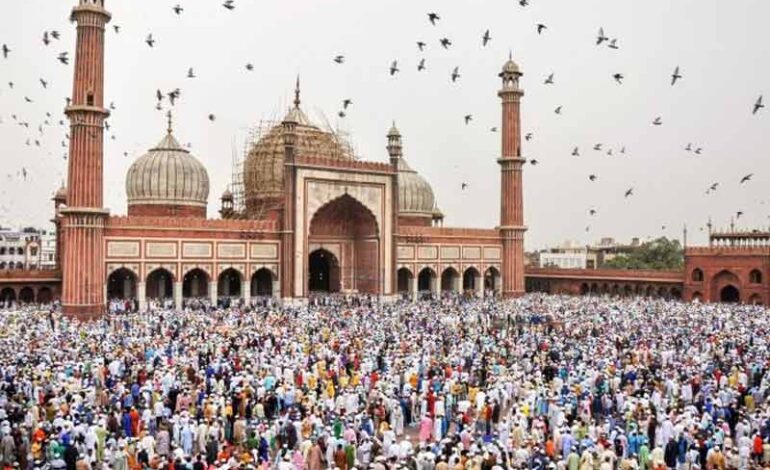

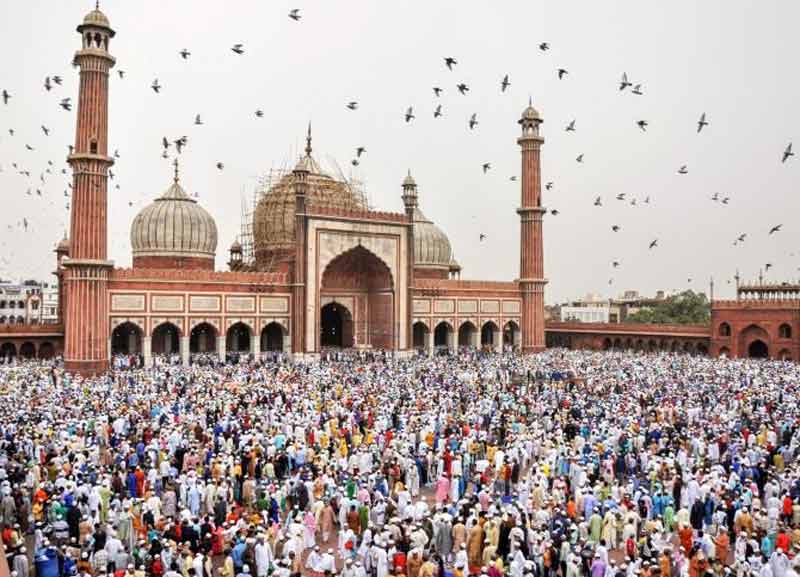
As the crescent moon appears in the night sky, marking the end of the ninth month of the Islamic lunar calendar, millions of people around the world transition from a period of deep reflection to one of vibrant celebration. Eid ul-Fitr, often called the “Festival of Breaking the Fast,” is one of the most significant dates in the calendar, representing a harmonious blend of spiritual accomplishment and communal joy.
Why is Eid al-Fitr celebrated?
Eid al-Fitr marks the conclusion of Ramadan, a month-long period where observers fast from dawn until sunset. The celebration is, at its core, a way to show gratitude. After thirty days of practising self-discipline, patience, and increased charity, the festival serves as a reward for the spiritual “marathon” completed during the holy month.
It is also a time to celebrate the revelation of the Quran, which is believed to have begun during the final ten days of Ramadan. By completing the fast, individuals celebrate the strength and willpower they gained, reinforcing their commitment to their values for the year ahead.
The importance of the day
Eid ul-Fitr is far more than just a day off from work or a festive meal; it serves several critical functions:
-
It acts as a bridge between the intense devotion of the previous month and a return to daily life, carrying forward the lessons of empathy and mindfulness.
-
The day begins with a special congregational prayer. This gathering brings together people from all walks of life, emphasising equality and unity within the community.
-
A key pillar of the holiday is Zakat al-Fitr, a mandatory charity given before Eid prayers. This ensures that everyone, regardless of their financial status, can enjoy a festive meal and join the celebration.
What does Eid al-Fitr mean?
While the literal translation is “the feast of breaking the fast,” the deeper meaning of Eid revolves around renewal.
-
Many view the day as an opportunity to start fresh. It is a traditional time for reconciling differences, forgiving past grievances, and strengthening bonds with family and neighbours.
-
After experiencing the hunger and thirst of a fast, the “Fitr” (breaking of the fast) takes on a profound meaning. It is a moment to appreciate the necessities of life (food, water, and health) that are often taken for granted.
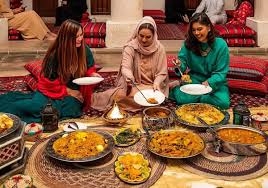
- Beyond the religious context, it is a day defined by hospitality. Homes are opened, special sweets are shared, and children often receive gifts or Eid (money), creating a sense of wonder and belonging that lasts a lifetime.
Common traditions around the world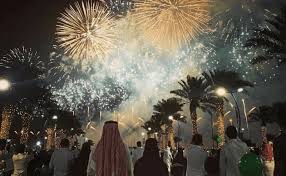
While customs vary by region, a few hallmarks remain constant:
-
Wearing new or best-quality clothes to honour the occasion.
-
In many cultures, the holiday is nicknamed the “Sweet Eid” due to the variety of desserts, like sheer khurma or baklava, served to guests.
-
The universal phrase used to wish others well is “Eid Mubarak,” which translates to “Have a blessed Eid.”
In essence, Eid al-Fitr is a beautiful reminder that discipline leads to joy, and that the greatest celebrations are those shared with others.
For more, click HERE to join our WhatsApp channel!