










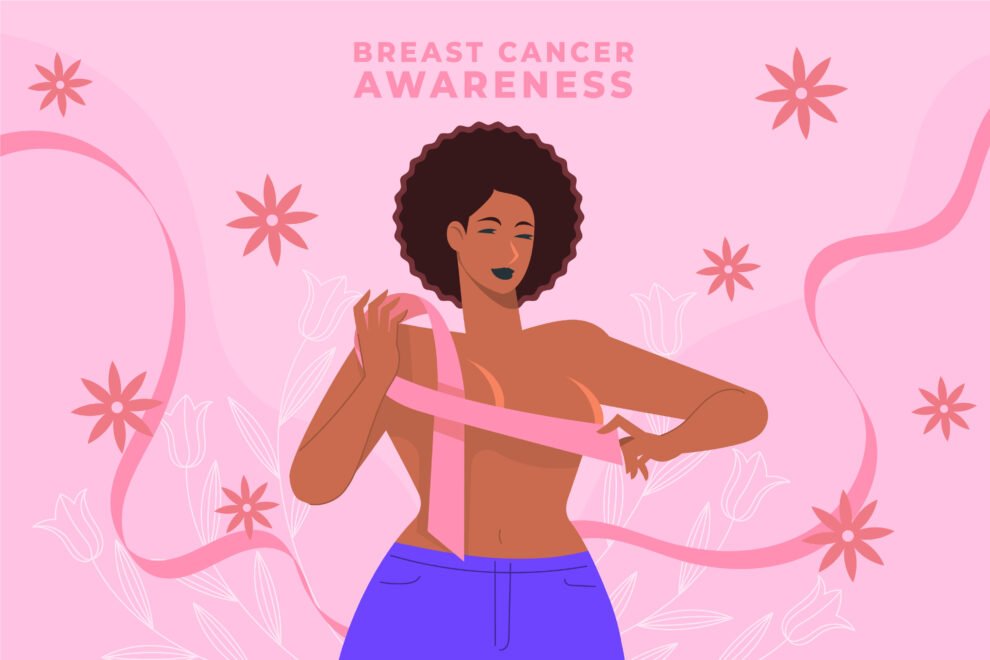
Every October, pink ribbons flood social media feeds, corporate logos change their accent colours, and walks for a cause fill city streets. Pinktober brings vital visibility to breast cancer, urging women and men to learn the warning signs, check their bodies, and schedule routine clinical screenings.
Yet, as October draws to a close, some disconnect settles in. Millions like, share, and post about awareness, but far fewer take the crucial step of booking a physical appointment for a screening.
In Kenya, where breast cancer is the most diagnosed cancer among women, awareness alone is not enough to reverse the numbers. Turning awareness into action is the only true pathway to saving lives.
Knowing and doing
Data from health facilities shows a recurring pattern where medical centres experience a slight surge in clinical breast exams and mammograms during October, followed by a sharp drop in November.
Why do so many people support Pinktober without taking action themselves?
- Many women put off screenings because they fear receiving bad news, choosing temporary silence over definitive answers.
- Early-stage breast cancer rarely causes pain or visible discomfort. Waiting for a physical symptom like a painful lump often means diagnosing the disease at an advanced stage.
- Routine health checks frequently take a backseat to daily work, family duties, and financial pressures.
- Many assume screening procedures are prohibitively expensive or complicated, unaware that routine clinical checks and screenings are widely accessible through public and private healthcare options across the country.
How early detection changes everything
The most compelling argument for screening is that the stage matters.
When breast cancer is identified in Stage 1 or early Stage 2, treatment is highly effective, less invasive, and carries a survival rate over 90%. Conversely, health data indicate that up to 70% to 80% of cancer cases in Kenya are diagnosed in advanced stages (Stage 3 or 4), significantly limiting treatment options and raising medical costs.
A mammogram or breast ultrasound can detect micro-calcifications or hidden masses long before they can be felt by hand. Waiting for noticeable physical changes means forfeiting the crucial early-detection window.
Practical steps before the month ends
You do not need to wait for next year’s campaign to take charge of your health. Here is how you can move from passive awareness to active care today:
1. Perform a thorough self-examination
Take five minutes today to perform a monthly Breast Self-Examination (BSE). Look and feel for:
- New lumps or thickening under the arm or in the breast tissue.
- Changes in skin texture, such as dimpling or puckering.
- Unexplained changes in shape, size, or nipple discharge.
2. Schedule a clinical breast examination (CBE)
A clinical exam performed by a doctor or nurse is quick, straightforward, and available at local clinics, dispensaries, and major hospitals nationwide.
3. Book a mammogram or ultrasound
- Women aged 40 and above: Annual screening mammograms are recommended.
- Women under 40: A breast ultrasound is often recommended, especially for women with dense breast tissue or a family history of cancer.
Make the call today
When October ends, the pink ribbons are taken down, but the health risks remain unchanged.
If you posted about awareness this month, turn that commitment inward. Pick up your phone, call your local health centre or hospital, and schedule a screening for yourself, your mother, your sister, or a friend.
Pink isn’t just a colour; it’s a call to action. Book your appointment today.
For more, click HERE to join our WhatsApp channel!





Add Comment