










For many Kenyan families who have walked the quiet, emotional journey of infertility, hope has always looked like a moving target, expensive treatments, a lack of regulation, and a cloud of uncertainty around the future of assisted reproduction in the country.
But this month, a new chapter has begun.
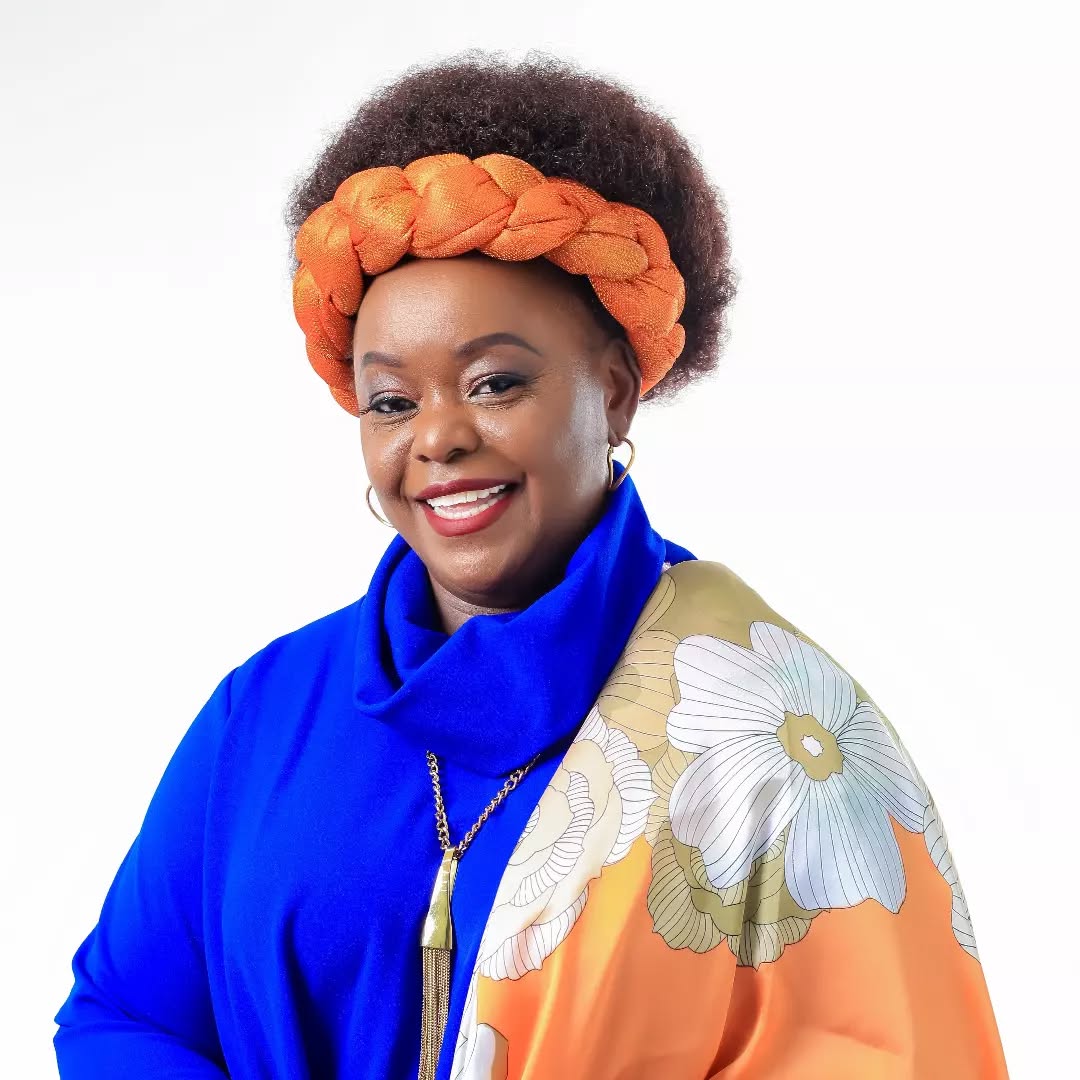
The Assisted Reproductive Technology (ART) Bill, championed by Suba North MP Millie Odhiambo, was finally passed by the National Assembly, a milestone more than a decade in the making. First introduced in 2014 as the In-Vitro Fertilization Bill, the proposed law had lapsed, resurfaced, and gone through years of revision. Yet one thing remained constant: the desire to give structure, dignity, and protection to Kenyans seeking alternative paths to parenthood.
Why This Bill Matters for Families
Infertility is often a silent struggle. Behind closed doors, couples grapple with financial strain, pressure from extended family, and the emotional toll of trying to conceive. Until now, assisted reproduction in Kenya operated in a grey zone, available, but without a firm legal foundation.
This Bill seeks to change that.
It provides a regulated framework for:
-
IVF
-
Altruistic surrogacy
-
Other assisted reproductive technologies
It also establishes a national ART Directorate to oversee standards, ethics, and safety, a move expected to protect both children and parents.
Children at the Centre
Homa Bay Town MP Peter Kaluma, who participated in the redrafting, emphasizes that protecting children was the heart of the process.
According to him, one of the strongest decisions was a full ban on commercial surrogacy in Kenya.
Kaluma warns that commercial arrangements could expose children to dangers such as exploitation, trafficking, organ harvesting, or unethical research.
The new Bill therefore permits altruistic surrogacy only, and only for Kenyan citizens, shutting the door on fertility tourism and reinforcing safeguards for children born through ART.
Who Can Benefit Under the New Law?
The Bill outlines specific categories of eligible individuals:
-
Heterosexual married couples
-
Single women, whether divorced, widowed, or unmarried, as long as they are certified by an ART expert to be infertile
-
Women unable to conceive naturally
However, on the male side, only men in marriage qualify. Kaluma argues that allowing single men to access surrogacy could create complex legal and genetic issues, especially where the man is not biologically related to the child.
For couples, the law recognizes that infertility affects both men and women. “You may be firing blanks,” Kaluma noted, “but you are in a marriage.”
A Stand on Human Life
The proposed law affirms that human life begins at conception and provides legal security for children born through assisted reproduction, ensuring their rights, identity, and parentage are fully protected.
A Step Toward Clarity, Dignity & Hope
While debates will continue, especially around eligibility, ethics, and inclusivity, the passing of the ART Bill marks a significant step for Kenya.
For the couples who have waited, the single mothers who have prayed, and the families who have endured years of uncertainty, the Bill signals something simple but profound:
You are seen. Your struggle is valid. And the path to building your family will now be safer, clearer, and guided by law.
Its next stop is the Senate and for many, its passage there could be the beginning of long-awaited parenthood.




Add Comment