










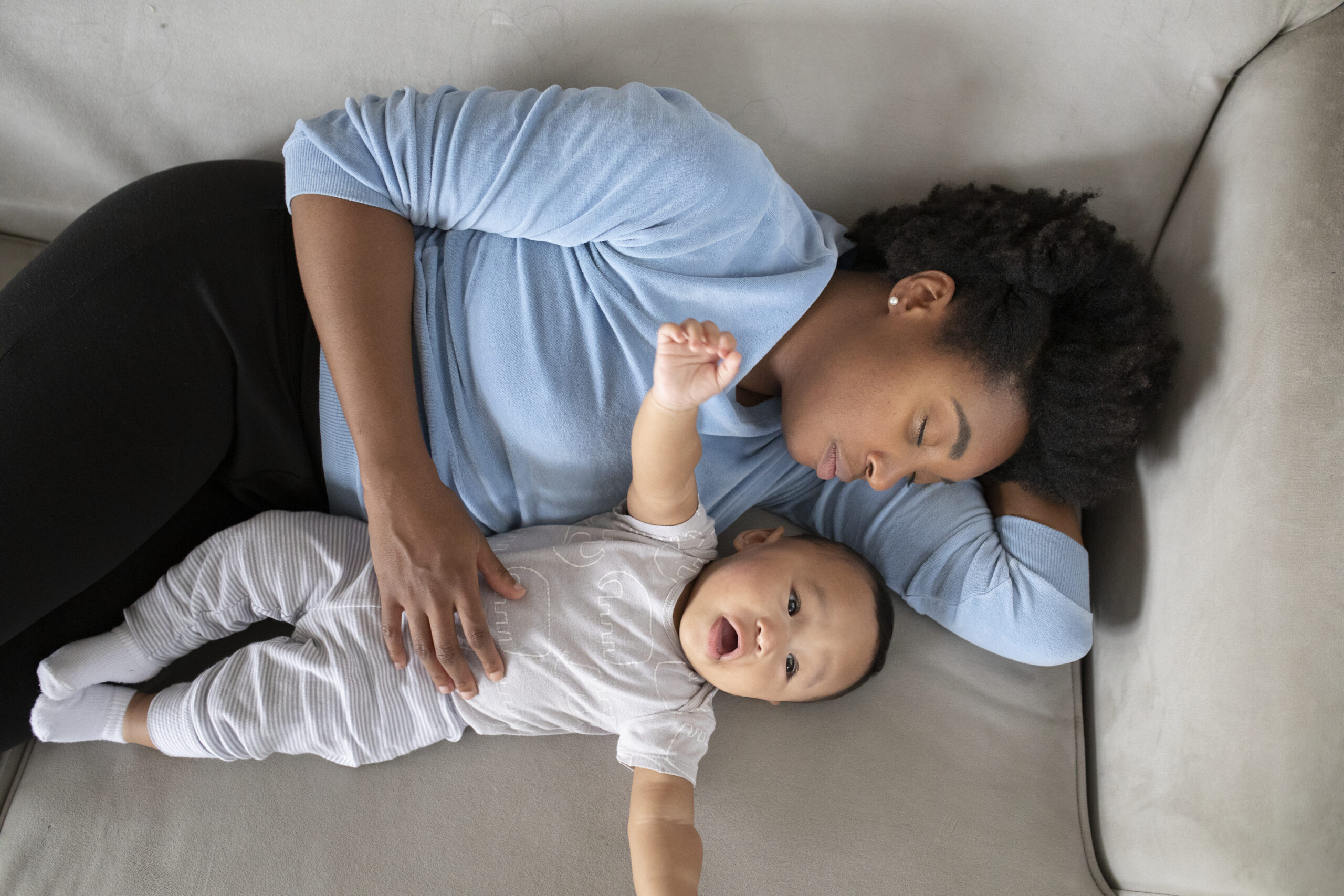
Sleep regression is a temporary phase where a baby who once slept well suddenly stops sleeping well. It happens because their brain is going through a major developmental upgrade.
Think of it like a software update: everything becomes better afterwards, but during the update? Chaos.
These regressions commonly occur around 4 months, 8–10 months, 12 months and even 18 months
Every leap brings new skills, and these new skills overstimulate the mind, making sleep harder.
Your baby can suddenly stand, crawl, walk, say words and understand more. Their brain is so excited, sleep becomes optional.
What it looks like
- Sudden night waking
- Short naps
- Fighting bedtime
- Clinginess
- More crying than normal
Why does it feel so dramatic?
Sleep regression hits parents hard because:
-
The disruption is unpredictable
-
Babies become needier just when you thought things were easing
-
It affects your routine, energy levels, and mood
-
You may feel like you’re moving backwards
But it’s not a setback. It’s a sign your child is learning at high speed.
How to handle it
Sleep regression isn’t something you fix overnight. You ride the wave while guiding your child back to stability.

- Stick to the bedtime routine: Don’t abandon structure. Repeat the same calming steps every night: bath, massage, pyjamas, feeding, and a book. Routine gives the brain cues to slow down.
- Adjust nap times: Growth shifts sleep needs. If naps are too long or too late, bedtime becomes a battle. Try shortening or shifting one nap and observe changes.
- Offer comfort without reinforcing difficult habits: You can soothe without starting patterns you’ll later struggle to undo. Hold them briefly, reassure them with your voice, but avoid reintroducing old habits like rocking to full sleep.
- Create a sleep-friendly environment: A calm room goes a long way. Ensure: dim lighting, cool temperature, minimal noise, white noise if helpful and remove overly stimulating toys
- Encourage daytime activity: More movement and stimulation during the day helps regulate night sleep. Let your baby practise crawling, walking, and exploring.
When should you worry?
Most sleep regressions last 2 to 6 weeks. Seek advice if:
-
Your baby is consistently waking in distress
-
Your child snores loudly or has breathing difficulties
-
There’s been no improvement for months
-
They aren’t feeding well or seem unwell
-
Sleep problems come with fever, rashes, or unusual symptoms
A check-up is always fine if your instincts feel uneasy.
Protect your own sleep, where possible
Take turns with your partner if available. Nap when you can. Fatigue makes everything feel worse.
- Stick to the bedtime routine…don’t abandon it.
- Adjust naps if needed; sometimes babies outgrow one.
- Avoid introducing bad habits like feeding to sleep again.
- Give extra comfort; they’re overwhelmed, not “spoiling.”
- Keep the room dark and calm.
Good news…
Sleep regressions feel endless, but they pass. They are a sign that your child is expanding their world and their brain is catching up. With patience, consistency, and a bit of grace for yourself, things stabilise again.
You’re doing the best you can. Your child is growing. This season won’t last forever.
Click HERE to join our WhatsApp channel!




Add Comment