










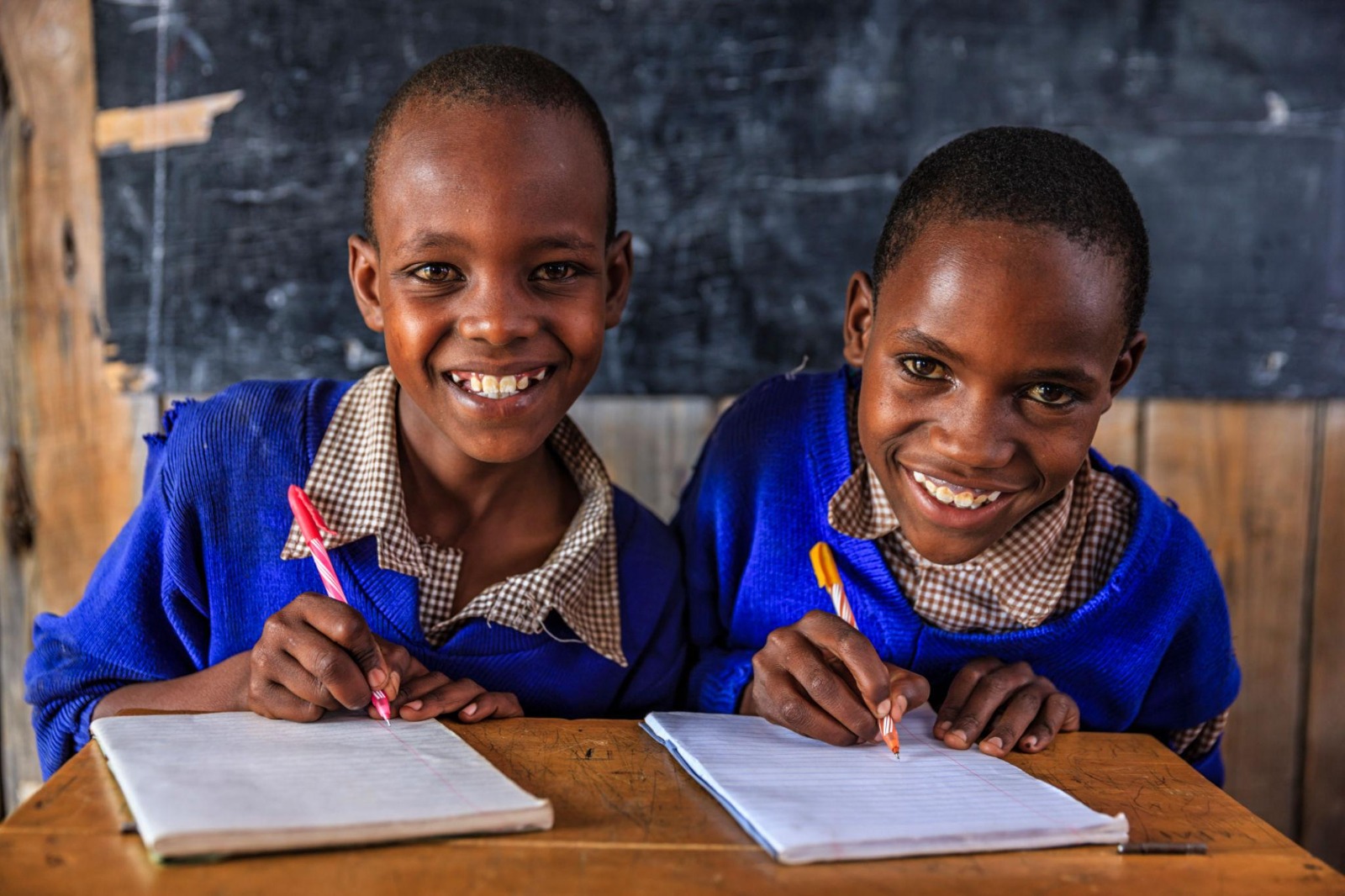
Every year on June 16, Africa marks the Day of the African Child, a solemn yet powerful observance rooted in history and driven by a forward-looking commitment to children’s rights, dignity, and access to quality education across the continent.
The day traces its origins to the 1976 Soweto Uprising in South Africa, where thousands of Black students protested against an unequal education system imposed under apartheid. Many lost their lives during the demonstrations, yet their courage became a defining moment in the struggle for educational justice in Africa. Today, that sacrifice is remembered not only as history, but as a continuing call to action.
Why the Day Matters Today
The Day of the African Child is more than a commemorative event. It is a reminder of the persistent challenges children in Africa still face, barriers to education, poverty, child labour, early marriages, conflict and inadequate access to healthcare and learning resources.
Across many communities, especially in rural and informal settlements, children still struggle to attend school consistently. For some, classrooms are overcrowded; for others, schools are too far or under-resourced. In conflict-affected regions, education is often disrupted entirely, leaving children vulnerable and without stability.
Yet, despite these challenges, there is also progress. Governments, NGOs, and community-led initiatives continue to expand access to education, improve school infrastructure, and advocate for child protection policies. The push toward inclusive education, especially for girls and children with disabilities, remains a central focus across the continent.
The Theme: A Continental Focus on Action
Each year, the African Union sets a theme that reflects urgent issues affecting children. These themes often focus on education quality, ending child marriage, climate change impacts on children, or strengthening child protection systems.
The underlying message remains consistent: African children are not just beneficiaries of development, they are central to it. Their rights, voices, and lived experiences must shape policy and decision-making.
The Role of Communities and Families
While governments and institutions play a key role, families and communities remain the foundation of a child’s development. A supportive home environment, access to basic needs, and encouragement to stay in school can significantly shape a child’s future.
Media, too, has an important role in amplifying children’s stories, highlighting gaps in systems, and pushing for accountability. By telling these stories, society is reminded that progress is not only measured in policy but in the lived reality of every child.
Looking Forward
The Day of the African Child is both a remembrance and a responsibility. It asks a difficult but necessary question: what kind of future are we building for Africa’s children?
The answer lies in consistent investment in education, stronger child protection systems, and a collective commitment to ensuring that no child is left behind because of where they are born or the circumstances they face.
As Africa continues to grow and transform, the vision remains clear, an Africa where every child has the opportunity to learn, thrive, and shape the continent’s future with dignity and hope.




Add Comment