
Free Bleeding: Personal Freedom or Public Discomfort?
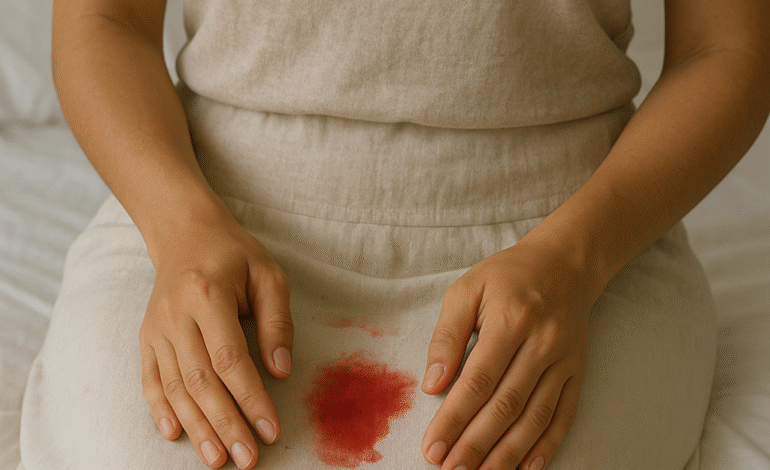

Over the past few weeks, the term free bleeding has drifted from obscure online conversations into Kenya’s mainstream discourse, bringing with it shock, curiosity, discomfort and, in some cases, outright outrage. Free bleeding, the practice of allowing menstrual blood to flow without using any pads, tampons or menstrual cups, is not new. But its growing visibility, especially through influencers and social media, is forcing the country to confront a topic we’ve long tiptoed around: menstrual health, dignity and boundaries.
For many Kenyans, the concept is jarring. Not because menstruation is shameful, though stigma still lingers, but because we were raised with a deep emphasis on hygiene, privacy and consideration for others in shared spaces. Traditionally, mothers taught their daughters to be discreet, prepared, and mindful when on their period. The idea of intentionally bleeding freely in public feels like a departure from values of cleanliness and communal responsibility.
But as we unpack this reaction, it’s important to understand the motivations behind those who choose this practice. Some women are advocating for body freedom, rejecting the shame historically tied to periods. Others are protesting the high cost of menstrual products or health complications associated with certain products. These conversations matter. They push us to rethink access, affordability, and education around menstrual care, areas where Kenya still has work to do.
Still, even as we encourage openness, we must acknowledge an uncomfortable but necessary truth: personal freedom should not come at the expense of public comfort and hygiene. Free bleeding in the privacy of one’s home, where one can manage their space and comfort, is one thing. But doing so in shared environments raises questions that cannot be brushed aside, questions of sanitation, respect for communal spaces, and the emotional discomfort it may cause others.
What we are witnessing is a clash between evolving expressions of bodily autonomy and long-standing cultural expectations around decency. And navigating that middle ground requires empathy from both sides.
Yes, let’s talk openly about menstrual health. Yes, let’s dismantle shame. Yes, let’s fight for affordable menstrual care for all girls and women in Kenya. But as we embrace progressive ideas, let’s also be mindful of the society we live in, one built on shared spaces, shared values, and mutual respect.
In the end, it is possible to advocate for freedom while still preserving consideration. And in this conversation, Kenya must find a balance that honours both.