
How to Make Green Tea and What It Does for Your Body
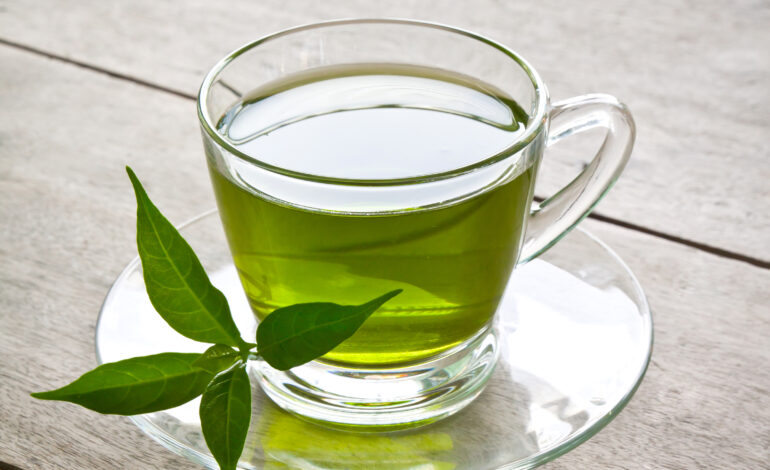

There’s something almost poetic about a cup of green tea… simple, calming, and surprisingly powerful. It’s the kind of old-school remedy that has survived centuries because, honestly, it works.
Here’s how to make it properly, without turning it into that bitter potion we all pretend to enjoy.
Ingredients:
• 1 teaspoon loose-leaf green tea or 1 tea bag
• 1 cup hot water (about 80–85°C — not boiling)
• Optional: honey, lemon, mint
Steps:
- Heat your water until it’s just below boiling. If it starts bubbling aggressively, cool it for a minute, green tea hates drama.
- Add your tea leaves or bag to a cup.
- Pour in the hot water.
- Steep for 2–3 minutes. Oversteeping = bitterness.
- Remove the tea bag/leaves. Add honey or lemon if you want a vibe shift.
- Sip slowly. Enjoy the quiet power.
Serving
• Serve in a pre-warmed cup to keep it cozy for longer.
• Sip slowly, letting the aroma calm your senses (green tea is a ritual, not a race).
• Pair with light snacks like nuts, fruit slices, or a small biscuit if desired.
• Optional: garnish with a fresh mint leaf or a thin lemon slice for that extra aesthetic touch.
What Green Tea Does for Your Body

Green tea isn’t just a “healthy girl aesthetic” accessory. It’s genuinely functional. Its nutrients work overtime, quietly doing the heavy lifting.
• Boosts metabolism
Green tea contains catechins and a bit of caffeine, a combo shown to slightly increase fat-burning and energy use.
• Rich in antioxidants
It’s loaded with EGCG, a potent antioxidant that fights oxidative stress. Basically, it helps your cells stay youthful and less inflamed.
• Supports brain health
The caffeine is gentle, and L-theanine helps with focus and calm alertness. It’s the kind of mental clarity coffee wishes it had.
• Improves heart health
Regular green tea consumption is linked to better cholesterol levels and overall cardiovascular support.
• Aids digestion
It’s light, soothing, and can calm that post-meal heaviness without turning your stomach into a chemistry experiment.
• May help regulate blood sugar
Some studies suggest it supports balanced glucose levels, a quiet but important win for long-term health.