Keeping It Fresh: How to Store Food in Your Fridge the Right Way

After all the effort of cooking, or even after spending your last monies on takeout, nobody wants to throw food away because it wasn’t stored right. Your fridge should keep your meals safe and tasty, and the fridge does its job (assuming you’re using a reliable brand), but only if you do yours first. Proper food storage is as important as cooking. Done right, it saves you money, cuts food waste, and keeps your family safe from stomach bugs nobody wants to deal with.
Cool it before you keep it
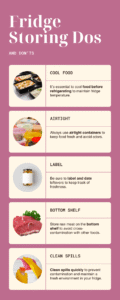
Placing piping-hot food straight into the fridge raises the overall temperature and can put other foods at risk. Give meals about 30 minutes to cool at room temperature before refrigerating. If you’re in a hurry, spread food out in a shallow dish to bring down the temperature faster.
Use airtight containers
Fridges have a way of mixing smells. Without airtight storage, your curry might end up tasting faintly of last night’s garlic bread. Use glass or plastic containers with tight-fitting lids, or even good-quality reusable bags. This also helps retain moisture, so your chapati doesn’t stiffen into something resembling cardboard.
Label and date everything
It’s easy to forget how long leftovers have been sitting at the back of the fridge. A simple sticker with the date you stored it can save you from second-guessing or eating food that’s past its safe window. As a rule of thumb, most cooked food should be eaten within 3 to 4 days.
Store smart, not just anywhere
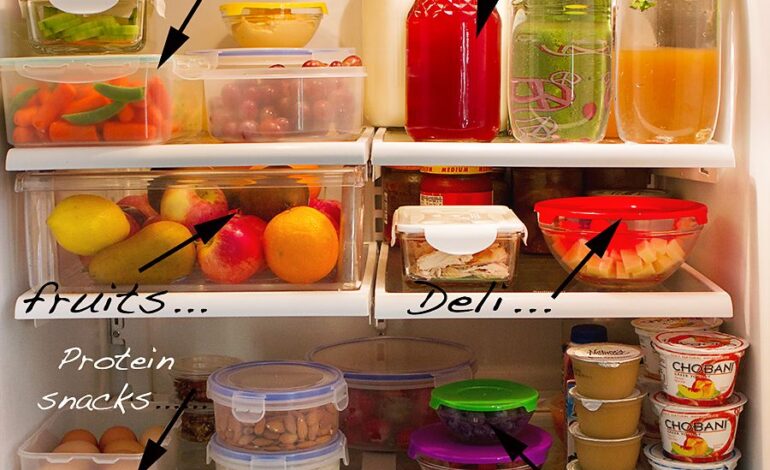
Not all fridge zones are equal. The top shelves tend to be the most consistent in temperature, so keep ready-to-eat items there. Raw meat, poultry, and fish should always go on the bottom shelf to avoid juices dripping onto other foods. The crisper drawers are designed to keep fruits and vegetables fresh, so use them for exactly that.
Don’t overcrowd the fridge
Air needs to circulate freely for the fridge to work effectively. Packing food too tightly blocks the flow, making some items colder and others warmer than they should be. Think of it like Nairobi traffic—you’ll get better results if everything has space to move.
Wrap fresh produce properly
Vegetables like carrots or spinach last longer if wrapped in paper towels to absorb excess moisture before being placed in bags. Fruits such as apples or pears should be stored separately, as they give off ethylene gas that can speed up ripening in other produce.
 First in, first out
When adding fresh groceries or new leftovers, place them behind the older ones. That way, you’ll naturally reach for the earlier items first, reducing waste. It’s a small habit that can make a big difference over time.
Clean regularly
Spills and forgotten food don’t just smell, they can spread bacteria. Wiping down shelves weekly with warm soapy water keeps your fridge fresh and safe. A box of baking soda at the back also helps absorb odours quietly.
Your fridge isn’t just storage. It’s like a caretaker for your food. And with this economy, letting food go bad simply because of poor storage hurts twice, your wallet and your health.
So, next time pack it, label it, and put it in the right spot. Future you (and your stomach) will be grateful. Read our guide on how to microwave food correctly so you don’t end up with half-hot, half-cold meals.