
Cover Story
Understanding Sibling Rivalry at Home

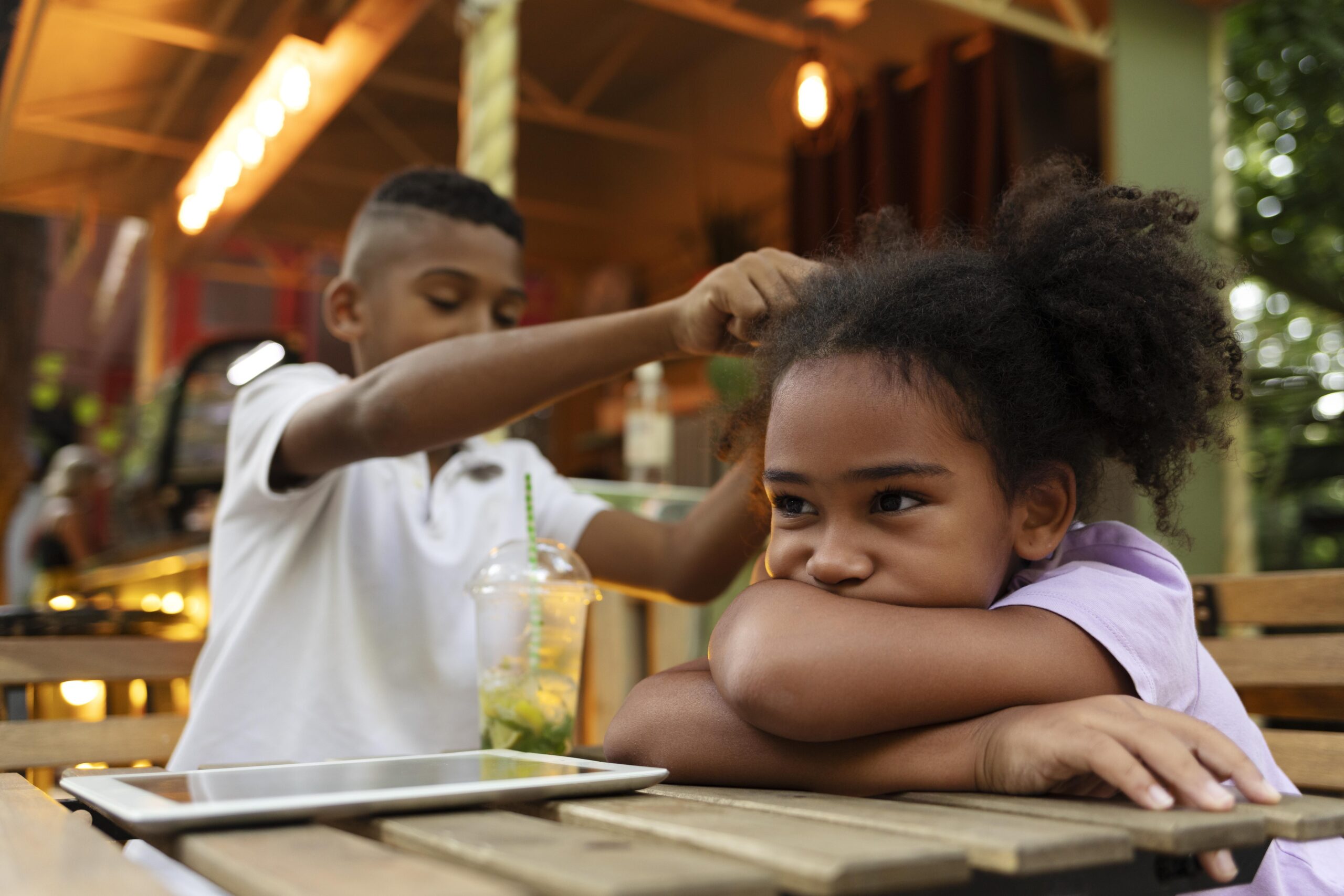
For many parents, the day can barely begin before the first sibling dispute erupts. A missing charger, a stolen toy, a disagreement over whose turn it is, or a complaint about personal space can quickly transform an otherwise ordinary morning into a series of negotiations and accusations.
If your mornings feel more like a courtroom than a kitchen, you are not alone. From remote-control battles to dishwashing drama, sibling squabbles can turn the calmest Nairobi home into a WWE ring before 8am. But here is what most parents miss: kids are almost never fighting about the thing they are yelling about.

That battle over the last chip is rarely just about the snack. More often, it is a child’s way of expressing a deeper need to feel seen and valued. A blow-up over borrowed jeans may not simply be about the clothes either; it could be rooted in feelings of jealousy, insecurity, or the fear of being overlooked.
Children are still learning how to identify and express their emotions. They may not yet have the words to say, “I feel invisible.” Instead, those big feelings often come out as frustration, arguments, or a fight with the person closest to them, their brother or sister.
The Attention Trap
Every child wants to feel valued and loved equally. When one child receives praise for top marks, scores goals, or gets more attention because of their age or temperament, another child starts doing mental math and may begin to notice the difference. They start comparing what they receive with what their sibling gets.
Rather than asking for reassurance directly, they may act out to provoke a reaction. Sometimes, even negative attention feels better than feeling unseen. A scolding from you as a parent can still feel like a sign that they have been noticed.
Birth Order Politics
Family position writes invisible rules kids never agreed to.
Firstborns carry the expectation of setting a good example and may resent siblings who seem to get away with fewer rules. Last-borns battle the “you’re still a baby” label while testing boundaries they were not allowed to cross.
Middle children can often feel overlooked. They’re the masters of invisibility… sandwiched between the achiever and the baby, and may quietly wonder whether their efforts and needs are noticed. When these roles are left unaddressed, they can grow into resentment that lasts for years.
Personality Clashes
One child may be loud, playful, and full of energy, while the other is quieter, more sensitive, and prefers to keep to themselves. They may grow up in the same home but experience situations very differently. What one child sees as harmless way of bonding, the other may experience as hurtful or overwhelming. The issue is not that one child is right and the other is wrong; they are simply expressing themselves in different ways and struggling to understand each other.
The Comparison Curse
Sometimes, without intending to, you make comparisons that can shape how children see themselves and each other. Comments such as “Why can’t you be as neat as your sister?” or “Your brother never complained at your age” may seem harmless in the moment, but they can leave a lasting impression.
Over time, repeated comparisons can create feelings of competition between siblings. Instead of focusing on their own growth and strengths, children may begin measuring themselves against each other.
Screens Made it Worse
Parents are stretched thin by jobs, bills, burnout, and the constant pull of phones. With so much demanding their attention, there is often less time to help children work through their conflicts. At the same time, the battlefield has moved into the digital space.
It is no longer just about who gets the TV remote. Today, sibling disagreements can revolve around gaming accounts, Wi-Fi passwords, TikTok likes, and even who was included or left out online. Sometimes, the fight follows them to bed.
But here is the twist: fighting is good training
Experts agree that when handled well, sibling conflict can become a valuable learning experience. Children learn to negotiate, read emotions, compromise, and repair relationships. The goal is not to create a silent house, but to raise children who can disagree without hurting or damaging their bond with each other.
Your role as the referee-coach
Do not rush to pick sides or force a fake apology. Let the tension settle first. Then bring the children together and allow each one to explain what happened in their own words without interruption. From there, guide them toward finding solutions rather than handing down final judgments.
Years from now, today’s charger wars will become the kind of stories you laugh about at family gatherings. When parents understand what siblings are truly communicating, the focus shifts from constantly breaking up fights to building bridges between them. Because beneath every rivalry, love is still the strongest thread holding it all together.
RELATED: How to nurture a strong sibling bond in your children










You must be logged in to post a comment Login