
When Survival Becomes a Sentence
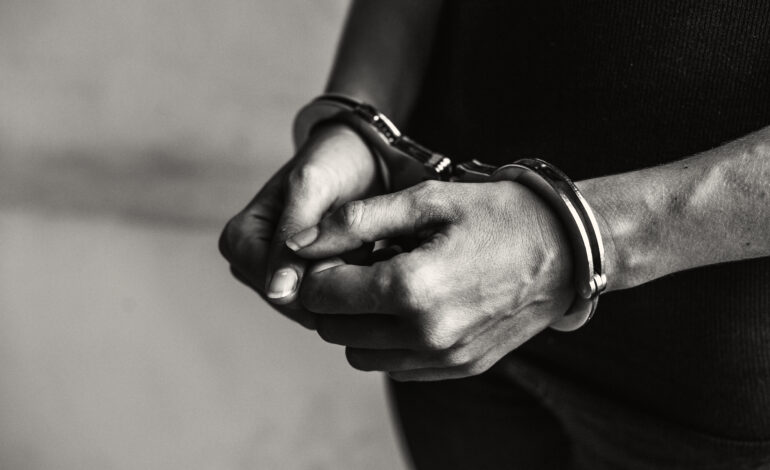

Across Kenya, hundreds of women are serving decades (some still technically on death row) for killing the very men who spent years beating, stabbing and terrorising them. These are not cold-blooded murderers.These are mothers who finally fought back when there was no safe door left to walk through.
According to the International Commission of Jurists (ICJ) Kenya, there are currently 597 women on death row, and many of them are victims of domestic violence who acted in self-defence after prolonged abuse. The same report warns that a large proportion were convicted of murdering their abusive partners , yet the courts treated their survival as a capital crime.
A rare moment of justice

Truphena Ndonga Aswani from Siaya is one of the few women who walked free. High court sentencing
For years, her husband drank, shouted and hit her. One night, he came home drunk and swung a panga at her head. In that moment of pure terror, Truphena fought back and he died. The lower court wanted to hang her. On appeal, a High Court judge finally read the hospital files: broken bones, repeated admissions and years of documented pain. The judge recognised that living under constant fear changes how a person reacts. Her sentence got reduced from death to one symbolic day. Truphena went home to her children.
That single judgment saved one family. Imagine if every judge had the same understanding. Today, most do not.
Understanding Battered Women Syndrome(BWS)
Most mothers in prison never had a lawyer to explain Battered Women Syndrome (BWS), which is the psychological and physical toll of long-term abuse. They lacked funds for witnesses or medical reports. They were told by police, relatives and even pastors to go back home and pray for their marriage.
When these women finally defended themselves, they walked into court alone.
BWS is not an excuse for violence. It is a documented psychological response to terror, amounting to years of beatings, threats, isolation and fear that push a person into permanent survival mode. Around the world, courts are beginning to recognise this.
The cost of ignoring abuse
When a woman acts in self-defence after years of violence, the law often sees only the final moment and not the hundreds of nights she slept beside danger, the ignored medical reports, the neighbours who stayed silent or the fear that became her daily companion.
The results: Survivors of gender-based violence are prosecuted as perpetrators, and families lose mothers who could have been protected long before things turned fatal.
This is not about gender wars. It is about recognising violence as a cycle. A cycle that could be interrupted earlier if the right systems existed.
How Kenya can protect families better
- Train the justice system. Equip police, prosecutors and judges to recognise patterns of long-term abuse and evaluate cases with a wider lens.
- Provide legal aid to survivors. Justice should not depend on who can afford a lawyer.
- Strengthen community reporting by creating stigma-free channels that allow women and men to seek help early.
- Improve medical documentation by ensuring survivors have clear evidence of repeated injuries.
- Expand shelters and safe houses . Give survivors a door to walk through before violence escalates to fatal levels.
Most importantly, we must talk openly about GBV beyond hashtags and headlines. Acknowledge that fear shapes behaviour in ways the law must understand.
This is not about defending what happened. It is about asking if these deaths could have been prevented long before the final blow? What would our justice system look like if it truly considered the lived experiences of survivors of domestic violence?
Until we recognise the hidden cost of silence, more women will remain in prison for surviving abuse, and more families will carry scars that could have been avoided.