
Why doctors insert a finger to check for prostate cancer

Prostate cancer is one of the most common cancers affecting men worldwide. Despite its prevalence, many families remain unaware of how it develops, how it can be detected early, and why a simple medical procedure, often viewed with apprehension, can be lifesaving.
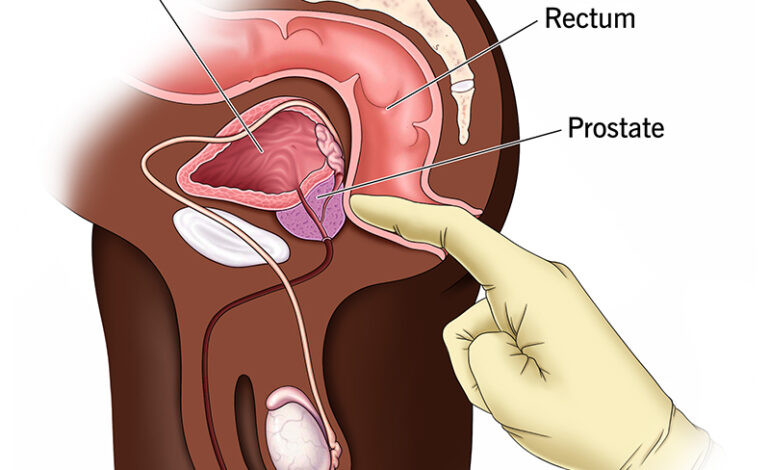
 Consultant Urologist Dr Samuel Kagiri Maingi, one of Kenya’s leading specialists, explains the process clearly: “The prostate is a small gland located just below the bladder. It surrounds the urethra, the tube through which urine passes, and plays a critical role in reproduction. Because of its position, it cannot be examined from the outside.”
This is where the digital rectal examination (DRE) comes in. During this procedure, a doctor gently inserts a gloved, lubricated finger into the rectum to feel the prostate. “It is the most direct way to assess the size, shape, and texture of the prostate. If there are any irregularities, such as hard areas, lumps, or unusual growths, we can investigate further to determine if it is cancerous or a benign condition,” Dr Kagiri says. 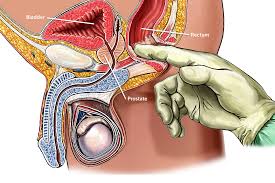
Many men fear this examination, often for cultural or psychological reasons. Dr Kagiri acknowledges this hesitation but reassures families: “It is a simple, quick procedure. It does not harm, and it is not mandatory. However, it is a critical step in early detection. Early diagnosis can make a significant difference in treatment outcomes.”
Prostate cancer often develops silently. Early stages may not produce noticeable symptoms. Some men might experience increased frequency of urination, difficulty starting or stopping urination, or discomfort, but these signs are not always present. “Because prostate cancer can be asymptomatic initially, screening is vital, particularly for men over 50 or those with a family history of the disease,” Dr Kagiri notes.
Families play a crucial role in supporting men to prioritise their health. “Men tend to be more reserved about health issues,” Dr Kagiri explains. “It is often wives, daughters, or sisters who encourage them to seek medical advice. Support from loved ones can save lives.”
Screening also includes blood tests, such as the prostate-specific antigen (PSA), and sometimes imaging, which helps doctors determine the presence of abnormal growths. If cancer is detected early, treatment options include surgery, radiotherapy, and hormone therapy. Even when the disease has advanced, there are methods to manage symptoms and maintain quality of life.
Lifestyle choices can also help maintain a healthy prostate. Dr Kagiri advises a diet rich in vegetables, nuts, seeds, and foods high in selenium and zinc. “What is good for the prostate is good for the body in general,” he adds.
Understanding the reasons behind the digital rectal examination and the importance of early screening helps families support the men they love. Encouragement, education, and regular medical check-ups are essential. As Dr Kagiri reminds us, “Early detection gives men a fighting chance. Families can be the bridge that helps men take that crucial first step.”
By normalising conversations about men’s health, parents, partners, and siblings can ensure that men do not ignore warning signs. The simple act of a finger gently examining the prostate can save lives, a fact that every family should know and support.
Find more content like this and much more on our WhatsApp channel: https://whatsapp.com/channel/0029VaeJgVo89inf3IhwHT2t