Why your Microwave Food Is Always Cold in the Middle (and How to Fix It)
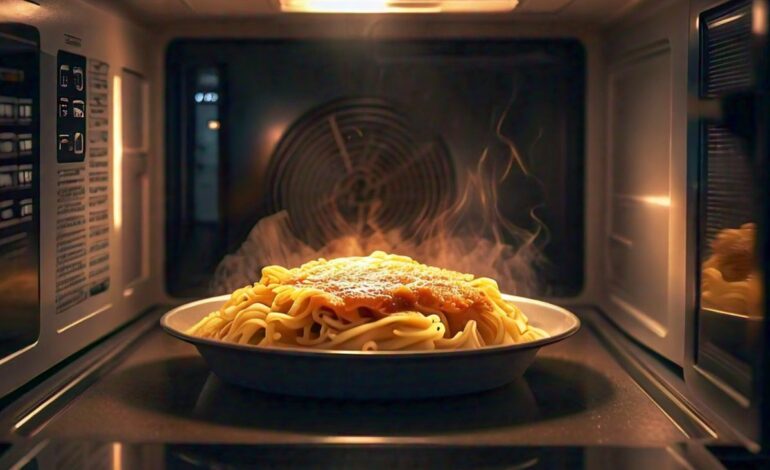

You know that moment when hunger is winning? You pop leftovers into the microwave, stand there counting down the minutes that feel like hours, pull out a plate that’s hot enough to burn your hands. You settle in, fork ready, take the first bite and your food is still ice cold! For me, very few things are as annoying.
The microwave is supposed to make life easier, but using it correctly takes a bit of practice. If you often end up with half-cooked meals or dried-out leftovers, here are some simple tricks that can save you from those frustrating moments.
Cut food into even pieces
Food heats more evenly when the pieces are roughly the same size. Smaller chunks cook quicker, so if you are warming chicken, fish, or even softening butter, cut them into smaller sections first. With meats like chicken breast or fish fillet, tuck thinner ends underneath the thicker parts so they don’t overcook.
Spread food out
A big heap in a deep bowl means the middle will stay cold while the outside burns your tongue. Spread your food on a plate or shallow dish for more consistent results. Think about mashed potatoes or pasta—wider and flatter is always better than stacked.
Cover it up
Covering food traps steam, which speeds up cooking and prevents splatter. You don’t need fancy tools here. A ceramic plate, parchment paper, or a paper towel (not the recycled kind with hidden metal threads) will do the job. Just remember to leave a gap or vent so steam can escape.
Heat different foods separately
Heating a mixed plate of leftovers sounds convenient but rarely works well. Mashed potatoes will heat faster than turkey slices, and fatty foods warm up quicker than vegetables. If you want a proper meal, warm them in turns—or at least move pieces around as they cook.
Start at lower power
Most microwaves default to full blast, which often dries out or burns food before the middle is cooked. Instead, start with medium power. It may take a little longer, but the food will heat more evenly. Use full power only for liquids like tea, coffee, or soup.
Stir, flip, or move your food
Think of the microwave like a stove—it still needs a little help from you. Stir soups or pasta halfway through, flip pieces of meat, or move dishes around the carousel. This keeps hot and cold spots in check. And even after cooking, stir your food before taking that first bite.
Let food rest before eating
Don’t rush it. Letting your meal sit in the microwave for a minute after the timer stops helps the heat spread through the food. That burrito or pilau that’s cold in the middle will warm up nicely if you give it that extra moment.
Microwaves might feel like the simplest kitchen tool, but how you use them makes all the difference. With these small adjustments, you’ll save yourself from cold centres, burnt edges, and wasted meals. Next time you reheat your plate, you’ll thank yourself for the extra minute you took to do it right.