










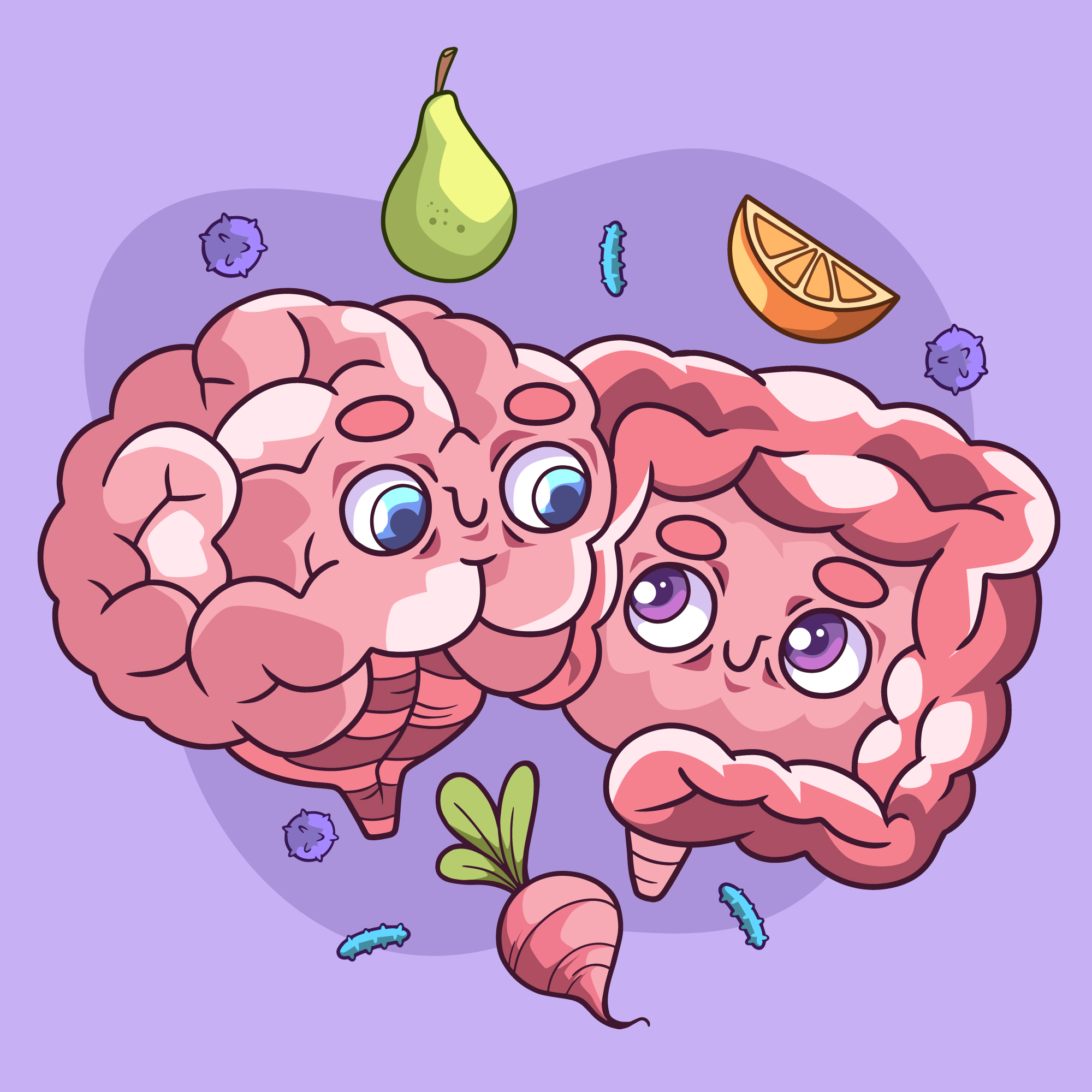
Have you ever felt butterflies in your stomach before a big presentation? Or perhaps a sinking feeling when receiving bad news? These aren’t just metaphors; they are physical manifestations of the gut-brain axis, a complex, two-way communication network that links your emotional and cognitive centres with your peripheral intestinal functions.
Lately, the medical community has increasingly come to view the gut as the second brain. Here is how your digestive system might be running your mood.
The enteric nervous system (ENS)
Hidden in the walls of the digestive system is the enteric nervous system. It contains more than 100 million nerve cells, more than in either the spinal cord or the peripheral nervous system.
While the ENS doesn’t write poetry or solve math problems, its primary role is managing digestion. However, it also sends a constant stream of data to the brain. When your gut is inflamed or irritated, it sends signals to the central nervous system (CNS) that can trigger shifts in mood, including anxiety and depression.
The Microbiome
Your gut is home to trillions of bacteria, known collectively as the microbiome. These bacteria are not just passive passengers; they are active chemical factories.
-
Neurotransmitter Production: Many people are surprised to learn that an estimated 95% of the body’s serotonin—the “feel-good” hormone—is produced in the gut, not the brain.
-
Short-Chain Fatty Acids (SCFAs): Healthy bacteria produce SCFAs like butyrate, which have anti-inflammatory effects and can cross the blood-brain barrier to protect brain health.
Vagus nerve
The Vagus nerve is the longest in the body, stretching from the brainstem all the way to the abdomen. It acts as the primary telephone line for the gut-brain axis.
-
The 80/20 Rule: Interestingly, about 80% of the fibres in the Vagus nerve send information from the gut to the brain, rather than the other way around. This means your gut is talking to your brain much more than your brain is talking to your gut.
Inflammation and mental health
When the gut lining is compromised (often called leaky gut), toxins and bacteria can leak into the bloodstream, triggering a systemic immune response. This leads to neuroinflammation.
-
Depression as an Immune Response: Emerging research suggests that some cases of depression may actually be the brain’s inflammatory response to issues originating in the digestive tract.
Managing the connection
Understanding this link gives us new tools for managing mental wellness. Beyond traditional therapy, we can support our “second brain” through:
-
Probiotics and Prebiotics: Introducing good bacteria and the fibre they feed on.
-
Mindful Eating: Reducing the fight or flight response during meals to allow for proper digestion.
- The Vagus Nerve Reset: Deep breathing and meditation can stimulate the Vagus nerve, calming both the gut and the mind simultaneously.
Holistic view of health
The link between digestion and mental health reminds us that the body is not a collection of isolated parts, but a single, integrated system. If you are struggling with your mood, the answer might not just be in your head—it might be in your gut. By nourishing our microbiome and listening to our “gut feelings,” we can find a new path toward mental clarity and emotional balance.
For more, click HERE to join our WhatsApp channel!




Add Comment