










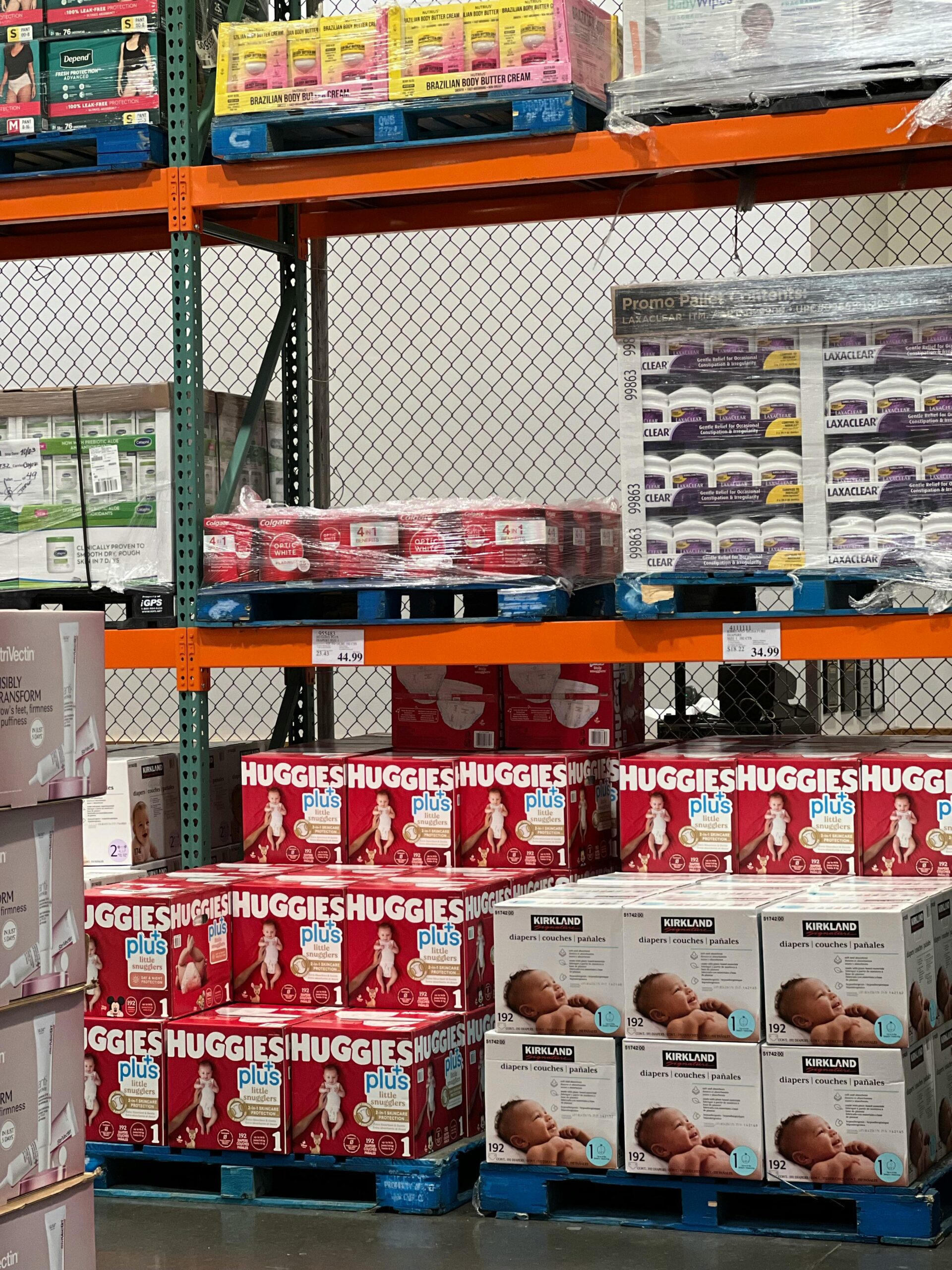
From February 3, 2026, the National Environment Management Authority (NEMA) will begin full enforcement of the Sustainable Waste Management Extended Producer Responsibility Regulations 2024. These rules require manufacturers and importers to take on the cost of collecting, recycling or safely disposing of waste generated after consumer use. Products affected include disposable diapers, sanitary towels and detergent packaging.
The cost of compliance covering licensing fees, new waste management systems and operational changes is expected to be passed on to consumers. Retail prices for these essential items are projected to increase by more than 20 percent.
For many Kenyan households, these products are not optional purchases. They are daily necessities closely linked to child care, menstrual health and basic household hygiene. Any price increase will therefore place additional pressure on family budgets that are already strained by food costs, transport expenses, school fees and other essentials.
Impact
Families with babies and toddlers are likely to feel the impact first through higher diaper prices. As monthly expenses rise, some parents may buy fewer packs, extend diaper use longer than recommended or switch to cheaper alternatives. These adjustments can result in discomfort and increased stress for parents trying to meet basic child care needs.
Women and girls will also be affected as sanitary towels become more expensive. Higher prices risk worsening period poverty and limiting reliable access to safe menstrual products. This may increase the use of unsafe alternatives, raise the risk of infections, and place additional financial strain on mothers.
Household detergents and cleaning products which are essential for laundry and hygiene are also expected to cost more. Families may respond by washing clothes less frequently or choosing cheaper and harsher options which could affect cleanliness and skin health.
These changes do not occur in isolation. They add to the mental and emotional burden of household budgeting. The combined effects may include higher stress and anxiety, hygiene related health concerns and more difficult long term decisions about family planning and the true cost of raising children.
With the enforcement date approaching, families can take practical steps to manage the transition. Purchasing essential supplies before February 3 while checking expiry dates may help. Where practical and hygienic, reusable options such as cloth diapers or menstrual cups can reduce long term expenses.




Add Comment