










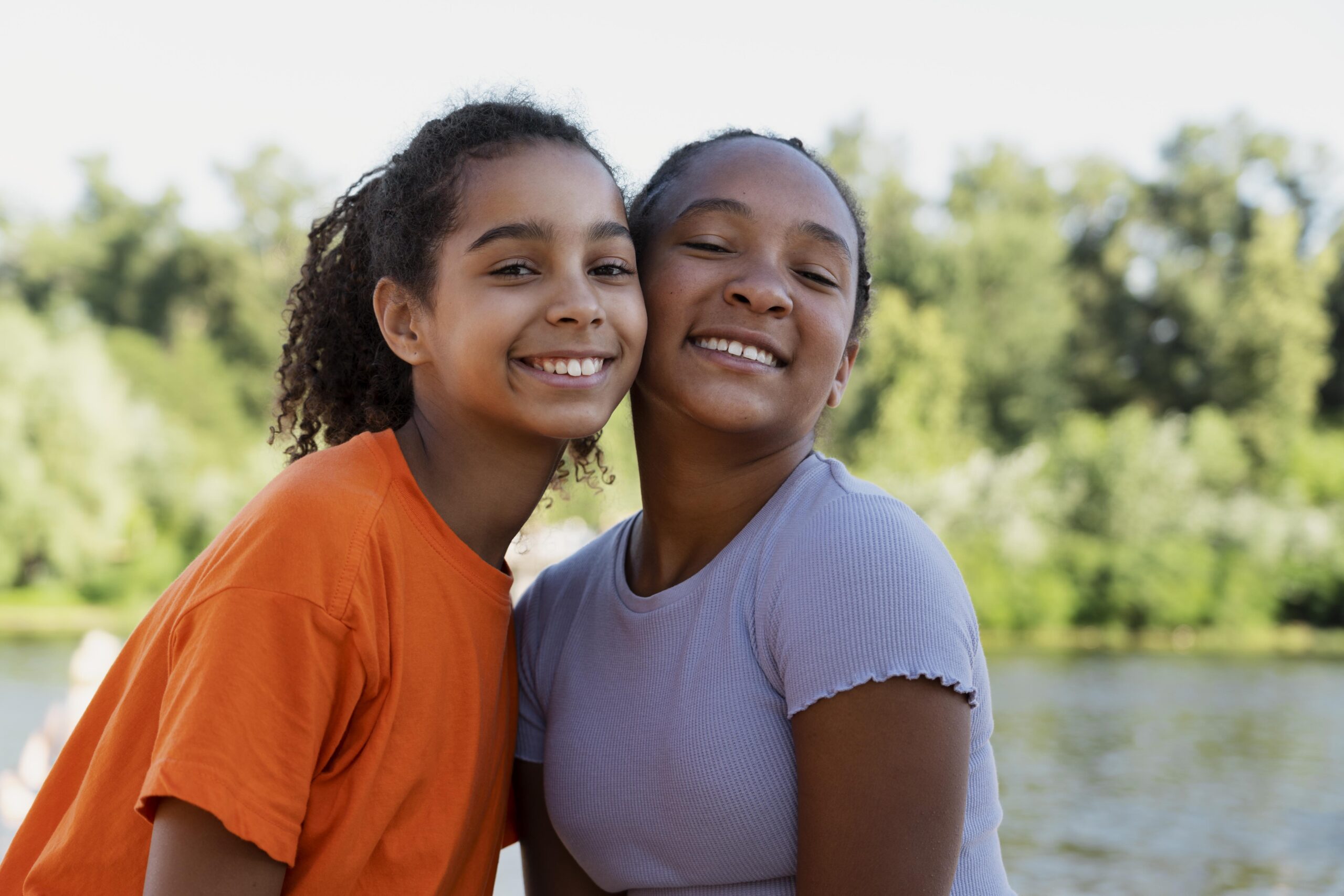
In many Kenyan homes, older siblings play a role that goes far beyond being just brothers or sisters. They are helpers, role models, protectors and sometimes even second parents. Whether in rural villages or busy urban estates, older siblings often shape the behaviour, values and attitudes of the younger ones in powerful ways.
From a young age, younger siblings naturally look up to their older siblings. They copy how they speak, behave and interact with others. When older siblings demonstrate responsibility, kindness and respect, younger children are more likely to adopt the same traits. Simple daily actions such as helping with chores, showing respect to parents or taking school seriously send strong messages about responsibility.
In many families, especially where parents are busy with work, older siblings are entrusted with caregiving roles. They may help with homework, preparing meals or look after younger siblings after school. While this responsibility should not be overwhelming, it often teaches older siblings leadership and accountability, while younger children learn trust and cooperation.

Older siblings also act as emotional anchors. Younger children often find it easier to open up to their siblings than to their parents. They share fear, school challenges and social struggles with someone they feel understands them. When older siblings listen without judgment and offer guidance, they help younger children develop emotional intelligence and confidence.
However, the influence of older siblings can be both positive and negative. Children learn not only good habits but also bad ones. This is why parents play an important role in guiding older siblings and reminding them that their actions matter. Open conversations about responsibility, respect and boundaries help older siblings understand the impact they have in the family.

Parents can support positive sibling influence by encouraging teamwork rather than rivalry. Praising cooperation, assigning shared responsibilities and resolving conflicts fairly help build strong sibling bonds. When older siblings feel appreciated rather than burdened, they are more likely to embrace the role positively.
It is also important for parents to allow older siblings to be children, too. While responsibility builds character, too much pressure can lead to stress and resentment. Balancing expectations with freedom ensures that older siblings grow into responsible individuals without feeling overwhelmed.
Sibling relationships often last a lifetime. When nurtured well, these relationships shape responsible, caring and confident individuals. By guiding older siblings and fostering healthy family dynamics, parents can create homes where children grow together, support one another and learn valuable life lessons that extend beyond childhood.
For more, click HERE to join our WhatsApp channel!




Add Comment