How to Grow a Functional Kitchen Herb Garden on a Small Windowsill
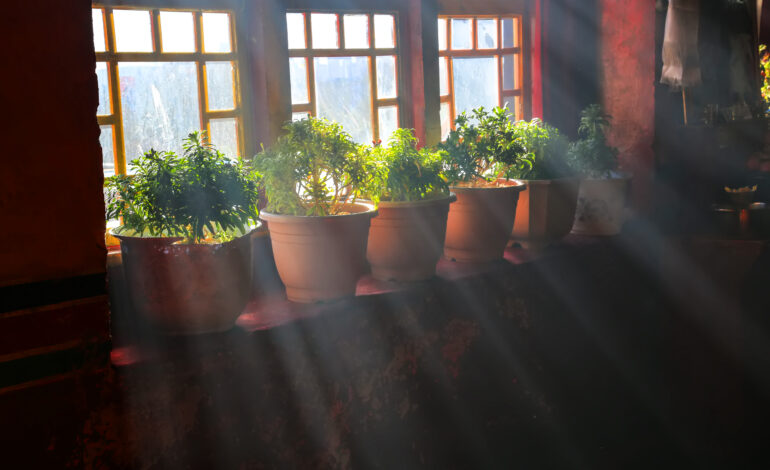

For years, I stared at the cramped ledge above my sink and saw nothing but a spot for a drying rack and a stray bottle of dish soap.
I hated grocery trips, overpaying for nyanyas and vitunguus that I have never bothered to know the standard price of. One afternoon, while making instant noodles, I realised that my kitchen was lacking something; it needed a life. I decided to make that windowsill a beautiful, vibrant, aromatic escape.
If you’ve ever felt like your culinary dreams were limited by your floor plan, I’m here to show you exactly how I turned my small space into a functional herb garden.
Assess your windowsill
Before buying a single seed, evaluate your spot:
-
Sunlight: Most culinary herbs crave sunlight. At least four to six hours of direct sun per day. If your light is limited, consider a grow light.
-
Space: Measure the length and width of your windowsill. This will dictate how many pots you can fit and their size.
-
Temperature: Ensure the windowsill isn’t drafty or directly above a heat vent, which can stress plants.
Choose your herbs wisely
For a small windowsill, focus on herbs that thrive in pots and are frequently used in your cooking. Start with three to five varieties that fit your light conditions and culinary habits.
-
High-sun herbs:
-
Basil: Loves warmth and sun. Pinch off flowers to encourage leaf growth.
-
Rosemary: Aromatic and woody. Prefers drier soil once established.
-
Thyme: Drought-tolerant and low-growing.
-
Oregano: Sprawling, but can be pruned to stay compact.
-
-
Moderate-sun herbs:
-
Mint: Very vigorous! Grow in its own pot to prevent it from taking over.
-
Chives: Onion-like flavour, easy to grow.
-
Parsley: Prefers consistent moisture.
-
Buy small starter plants from a nursery rather than seeds for quicker gratification and a higher success rate, especially for beginners.
Select the right pots and soil
-
Pots:
-
Drainage is key: Each pot must have drainage holes to prevent root rot. If your decorative pots don’t, use them as cachepots (a larger, decorative pot that holds a smaller, functional pot with drainage).
-
Size: Aim for pots at least six inches in diameter for most herbs. Larger pots mean less frequent watering. Terracotta pots look classic and allow soil to breathe, but plastic retains moisture better.
-
Window boxes/trays: If your windowsill is long enough, a shallow window box can hold multiple herbs, but ensure it still has drainage holes and a tray underneath.
-
-
Soil: Use a good quality, well-draining potting mix. Do not use garden soil, as it compacts too easily in pots and can harbour pests.
Planting your herbs
-
Gently remove your herb plant from its nursery pot.
-
Loosen any circling roots at the bottom.
-
Place a small amount of potting mix in the bottom of your new pot, centre the plant, and fill with soil, leaving about an inch of space from the rim.
-
Water thoroughly until water drains from the bottom.
Essential care for a thriving garden
-
Watering: This is what most people mess up.
-
Feel the soil: Stick your finger about an inch deep into the soil. If it feels dry, it’s time to water.
-
Water thoroughly: Water until you see it draining from the bottom.
-
Empty saucers: Don’t let pots sit in standing water. Empty saucers after 15-30 minutes to prevent root rot.
-
-
Harvesting: The more you snip, the bushier your herbs will become!
-
Pinch back: Regularly pinch off the top sets of leaves to encourage side growth rather than vertical growth.
-
Don’t over-harvest: Never remove more than about one-third of the plant at once.
-
-
Fertilising: Herbs generally don’t need much fertiliser. A diluted liquid organic fertiliser every four to six weeks during the growing season is usually sufficient.
-
Pest Control: Keep an eye out for common houseplant pests like aphids or spider mites. A gentle spray of insecticidal soap can usually handle them.
-
Rotate Pots: Turn your pots every few days to ensure all sides of the plant get adequate sunlight.
Troubleshooting Common Issues
-
Yellowing leaves: Often indicates overwatering or insufficient light.
-
Leggy growth: Usually a sign that the plant isn’t getting enough light and is stretching towards it.
-
Wilting: Can be from underwatering (soil very dry) or overwatering (roots rotting). Check the soil moisture.
With a little attention and the right conditions, your windowsill can become a productive mini-farm, providing you with fresh, aromatic herbs year-round.
Happy growing!
For more, click HERE to join our WhatsApp channel!