Nairobi’s Weather Lately: What to Do, What to Avoid, and How to Cope

If you have stepped outside lately and felt your skin protest almost immediately, you are not imagining things. Nairobi’s weather over the past few weeks has been unforgiving. The days have been hot, dry and dusty, while the evenings and early mornings swing sharply in the opposite direction. One minute you are sweating under the sun, the next you are reaching for a sweater.
This is the kind of weather that looks manageable on paper but feels different on the ground, especially for people who work outdoors, commute long distances or live near busy roads and construction sites. For many residents, it has been a season of ‘kuona dust’ literally, and a fair share of discomfort.
So what does coping actually look like in these conditions? Here is a simple, practical guide on what to do and what to avoid, without panic and without overthinking it.
Understanding the weather we are dealing with
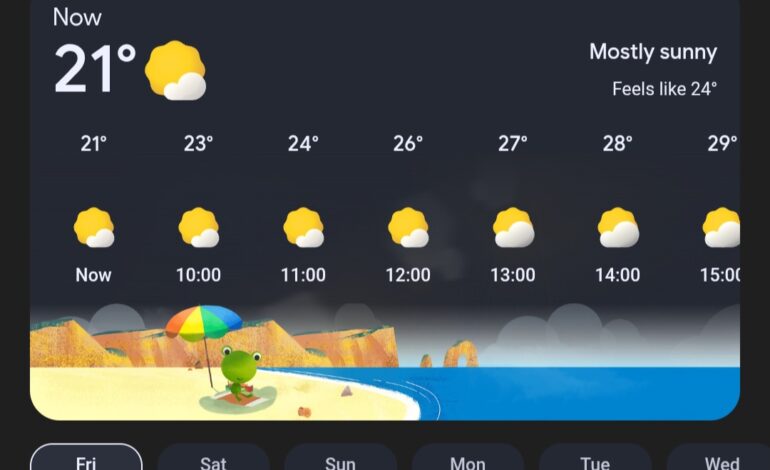
Right now, Nairobi is experiencing mostly dry, sunny days with strong heat during midday and cooler temperatures at night. Rain has been minimal, which means dust lingers longer in the air. Construction activity, unpaved roads and heavy traffic only make this worse. For families, workers and commuters, this combination affects health, productivity and overall comfort.
Hydration is not optional
This weather demands water, and more of it than you think. If you are waiting to feel thirsty, you are already late. Carry water when you leave the house, even for short errands. For children and older adults, gentle reminders help because they often forget to drink enough.
What to do:
- Drink water consistently throughout the day.
- Add fruits with high water content like oranges, watermelon and pawpaw.
- For outdoor workers, take small sips often rather than large amounts at once.
RELATED: The Power Of Lemon Water
What to avoid:
- Relying on sugary drinks to quench thirst.
- Skipping meals, which makes dehydration worse.
Dress smart for both day and night
This is one of those seasons where dressing in layers makes sense. Light, breathable clothing during the day helps the body cool itself, while evenings call for a light jacket or sweater.
What to do:
- Choose cotton or linen fabrics where possible.
- Cover your head when under direct sun for long periods.
- Keep a light jacket in your bag if you expect to be out late.
What to avoid:
- Heavy, dark clothing during the day.
- Ignoring the cold at night, especially for children.
Protect your skin and eyes

Dust and sun are a tough combination. Skin dries out faster, eyes itch more and allergies tend to flare.
What to do:
- Apply sunscreen, even on days that do not feel extremely hot.
- Use simple moisturisers to prevent dry skin.
- Wear sunglasses if you spend time outdoors.
- Wash your face and hands regularly to remove dust.
What to avoid:
- Touching your face with dusty hands.
- Ignoring persistent eye irritation.
Personal hygiene matters more than usual
Dust sticks to sweat, and sweat is unavoidable in this heat. Good hygiene helps prevent skin infections, body odour and general discomfort.
What to do:
- Shower regularly, especially after long days outdoors.
- Change clothes if they become excessively dusty or sweaty.
- Keep nails short and clean, particularly for children.
What to avoid:
- Staying in damp or sweaty clothes for too long.
- Using heavily scented products to mask sweat instead of cleaning properly.
Special attention for those near construction sites
For families living near construction areas or busy roads, the dust situation can feel relentless. It settles on furniture, food and even inside closed houses.
What to do:
- Keep windows closed during peak dust hours if possible.
- Dampen floors before sweeping to reduce dust in the air.
- Cover food properly and wash fruits and vegetables thoroughly.
- If possible, use masks when dust levels are visibly high.
What to avoid:
- Dry sweeping, which only spreads dust further.
- Leaving drinking water uncovered.
Look out for outdoor workers
This weather hits hardest for people working in open spaces, fields, construction sites and roads. If you employ or work with outdoor staff, small considerations go a long way.
- Encourage regular breaks.
- Provide access to shade and drinking water.
- Check in on each other for signs of heat exhaustion such as dizziness or extreme fatigue.
A shared responsibility
Nairobi’s current weather is not just an inconvenience. It affects health, comfort and daily routines across all ages and professions. With a few mindful adjustments, we can reduce the strain it places on our bodies and homes.
Sunglasses and water during the day. A light jacket at night. And a little extra care for ourselves and the people around us. Sometimes, that is all it takes to get through a harsh season with grace.
Click HERE to join our WhatsApp channel!