PSK Condemns Gachagua Pharmacy Privacy Breach
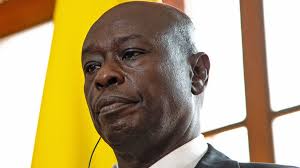

In an official statement Pharmaceutical Society of Kenya (PSK) issued a stern condemnation following a high-profile privacy breach involving former Deputy President Rigathi Gachagua. The incident, which centred on a secretly recorded video of Gachagua at a local pharmacy, has ignited a nationwide debate on the sanctity of patient-provider confidentiality.
Gachagua and the pharmacy recording
The controversy began when a video surfaced online showing former Deputy President Rigathi Gachagua inside a pharmacy. The footage, captured without his consent, quickly went viral, prompting immediate backlash from the medical community.
The Pharmaceutical Society of Kenya (PSK) released a statement describing the act as a gross violation of privacy and a breach of professional ethics. PSK emphasised that pharmacies are safe havens where individuals should feel secure discussing their health concerns and obtaining medication without fear of surveillance or public exposure. The society warned that such incidents undermine the trust essential to the healthcare system and called for a thorough investigation into the source of the recording.
Pharmaceutical privacy and data vulnerability in Africa
While the Gachagua incident in Kenya highlights a breach of physical privacy through unauthorised recording, the pharmaceutical landscape in Africa is increasingly grappling with digital privacy threats. As the continent rapidly digitises health records and supply chains, the trust mentioned by the Pharmaceutical Society of Kenya (PSK) is being tested on a much larger scale.
Rise of cyber-attacks on African health infrastructure
Africa has become a significant target for healthcare data breaches due to varying levels of cybersecurity maturity across the continent.
-
In recent years, major retail pharmacy chains in South Africa have faced sophisticated cyber-attacks. These breaches often involve ransomware, in which hackers encrypt patient prescription data and demand payment, putting the medical histories of millions at risk of being leaked on the dark web.
-
With the explosion of health-tech startups in Lagos and Abuja, millions of Nigerians now order medication via apps. However, a 2023 industry report suggested that many of these platforms lacked robust end-to-end encryption, potentially exposing sensitive data, such as HIV status or reproductive health choices, to third-party advertisers or malicious actors.
Counterfeit drugs and data
In many parts of West and Central Africa, the breach of privacy isn’t just about who sees your data, but also about how it’s used to exploit you.
-
Criminal syndicates have been known to hack into pharmaceutical distribution databases to track which high-value medications are in demand. They then use this private market data to flood specific regions with counterfeit versions, a breach that begins with data theft and ends in a public health crisis.
Legislative shields
The outcry by the PSK regarding Rigathi Gachagua’s recording is backed by a growing legal framework across the continent:
-
Kenya’s Data Protection Act (2019): This law specifically categorises health data as sensitive personal data. The pharmacy recording wasn’t just a moral lapse; it was a potential criminal offence under Kenyan law, which carries heavy fines for unauthorised processing of such data.
-
The African Union Convention: The Malabo Convention (on Cyber Security and Personal Data Protection) seeks to unify how African nations protect pharmacy patients. Currently, over 30 African countries have passed data protection laws, signalling a shift toward treating a patient’s presence in a pharmacy with the same legal weight as a courtroom or a bank vault.
The social stigma factor
In many African societies, certain health conditions carry heavy social stigma. A privacy breach in a pharmacy, whether it’s a leaked video of a politician or a pharmacist gossiping about a neighbour’s prescription, can lead to social death. This is why the PSK’s stance is so critical; in the African context, pharmaceutical privacy is often the only barrier between a patient and community ostracisation.
Whether it is a secret video of a politician or a global cyberattack, privacy remains the cornerstone of the pharmaceutical profession. PSK’s reaction to the Gachagua incident shows that privacy is a privilege that requires constant vigilance to protect, both in person and online.
For more, click HERE to join our WhatsApp channel!