










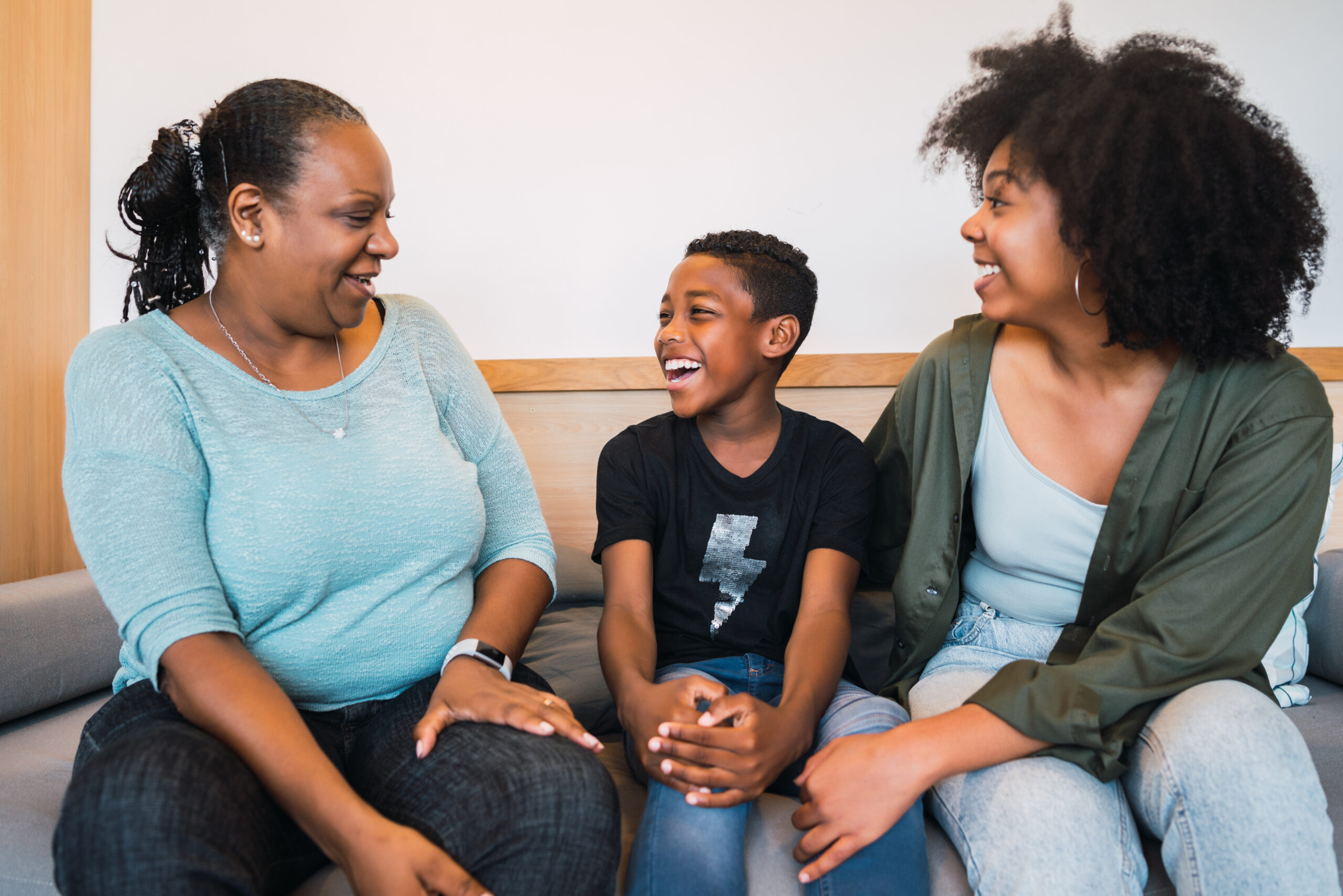
Art of listening to children
Walk into any park, kitchen, or car ride, and you will l hear the constant chatter of children. “Mum, look!” “Dad, guess what?” “Can I tell you something really important?”
We nod. We say “uh-huh.” We answer while scrolling, cooking, and driving. We think we are present because sound is coming out of our mouths.
But somewhere between multitasking and trying to keep life running, we lost the art of actually listening to children. Not hearing, nor fixing, nor redirecting. Listening.
And in losing it, we have lost something children need more than any app, activity, or perfect answer. That is the feeling of being truly seen.
Listening tells a child…
Kids do not measure love in hours. They measure it in attention. When you stop what you are doing, crouch to their level, and let them finish a story about a rock they found, you are telling them that their thoughts are worth your time.
That message becomes their internal voice. Children who feel heard grow into adults who believe their voice matters. Children who are constantly talked over learn to stop speaking up.
Listening reveals what words do not say
A child rarely says, “I am scared about school” or “I feel left out. “They say it by acting out, refusing food, or obsessing over a lost toy.
When you listen past the surface, you hear what they cannot articulate yet. Listening is how you catch the small cracks before they become big ones.
How to listen…
We tell children to “listen when I’m speaking,” but we rarely model it. Kids learn empathy, patience, and respect by experiencing it. If you interrupt them, they learn to interrupt others. If you listen without rushing to fix, they learn to sit with other people’s feelings instead of dismissing them.
The way you listen to them becomes the way they listen to the world.
Most meltdowns are not about the broken crayon. They’re about feeling powerless, tired, or unseen.
When you listen first, you defuse the emotion. Only then can you problem-solve.
Lecturing before listening is like putting a bandage on before cleaning the wound; it doesn’t stick.
Listening builds
Teenagers do not start talking to parents they have never felt heard by. The door closes long before adolescence if every childhood conversation ended with “because I said so” or “not now.”
Listening now buys you trust later. It tells them that when things get hard, I’m still the person you can come to.
Listening does not mean 30-minute heart-to-hearts every night. It means small, deliberate pauses. Put the phone down for 2 minutes when they run to show you something.
They will remember that their voice had a place in your home. In a world that tells children to be quieter, faster, and more compliant, being heard at home is revolutionary.
So the next time they say “Mum, look!” or “Dad, can I tell you something?” Put the phone down. Meet their eyes. Listen like it is the only thing you have time for, because in that moment, it is.
Children do not need perfect parents. They need parents who make them feel perfectly heard. And that is an art worth remembering.
For more, click HERE to join our WhatsApp channel!




Add Comment