









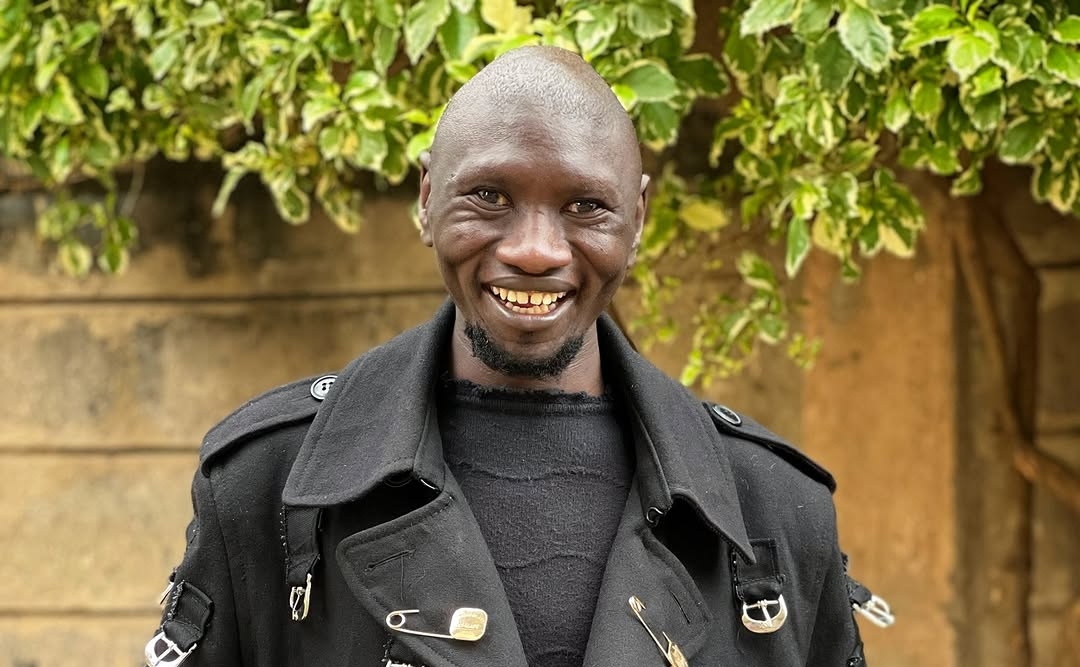
As men’s mental health month ends, Stivo Simple Boy’s response left me thinking about the kind of men we are raising.
By now, many Kenyans have probably seen the conversation that sparked outrage online.
During a podcast interview, Andrew Kibe remarked that people like Stivo Simple Boy should not be allowed to have children, even suggesting that such individuals should undergo vasectomies immediately after birth.
The comments drew widespread criticism from creators, members of the public and mental health advocates. The interview was later pulled down, and Dr. Ofweneke, who hosted the podcast, publicly apologised.
But it wasn’t the controversy that stayed with me.
It was Stivo Simple Boy’s response.
“Andrew Kibe, kama una tatizo na mimi, zungumza kuhusu mimi. Lakini usimhusishe mtoto wangu ambaye hana kosa lolote.
Sijawahi kuchagua nilivyozaliwa, lakini nimechagua kuwa mtu mwenye heshima, kufanya kazi kwa bidii na kujenga familia yangu. Watoto wote ni baraka, na hakuna mtoto anayestahili kudharauliwa kwa sababu ya mwonekano wake au wazazi wake.
Mimi nitaendelea kusonga mbele. Mungu ndiye hakimu wa wote.”
Translating to: If you have a problem with me Andrew Kibe, address me but do not involve a child. I never chose how I was born but I chose to be a respectful human being, a hardworking one building a family. All children are a blessing. I will move on as God is the judge of all.
Those words hit differently.
Not because they came from a celebrity, but because they came from a father protecting his child.
As Men’s Mental Health Month comes to an end, I cannot help but wonder whether we sometimes make it harder for men to be human.
We encourage men to speak up about their struggles. We ask them to embrace vulnerability, seek therapy and break the cycle of toxic masculinity. Yet at the same time, we often cheer when a man is publicly ridiculed, mocked or reduced to the worst thing someone can say about him.
We cannot have it both ways.
Whether you agree with Andrew Kibe or not is almost beside the point. What matters is that words have consequences. When we tell someone they should never have children because of how they look, speak or present themselves, we are no longer debating ideas, we are questioning their humanity.
As ParentsAfrica‘s team leader, that concerns me even more because children are always listening.
One day, Stivo’s child may come across those comments. So might another child who looks different, speaks differently or has a disability. What message are we sending them?
That some people are less deserving of love?
Less deserving of family?
Less deserving of becoming parents?
I hope not.
One line in Stivo’s response deserves to stay with all of us:
“Watoto wote ni baraka, na hakuna mtoto anayestahili kudharauliwa kwa sababu ya mwonekano wake au wazazi wake.”
This translates to: Every child is a blessing and nonee deserves discrimination because of their appearance or parents.
Every parent should agree with that.
Our disagreements as adults should never become burdens our children have to carry.
Mental health is not only about counselling sessions and awareness campaigns. It is also about the everyday culture we create. A culture where people are free to disagree without stripping others of their dignity. A culture where men can be corrected without being dehumanised. A culture where children are kept out of adult battles.
Perhaps that is the lesson I am taking away as Men’s Mental Health Month comes to a close.
Because behind every viral clip is a real person. Behind every father is a family.
And behind every child is a future that deserves to be protected—not from criticism, but from cruelty disguised as entertainment.
For more, click HERE to join our WhatsApp channel!




Add Comment