
Cover Story
When “Super-Mum” is the one making her child sick: Inside Munchausen Syndrome by proxy
What happens when a caregiver deliberately makes a child sick? Learn the warning signs, causes and reality of Munchausen syndrome by proxy.

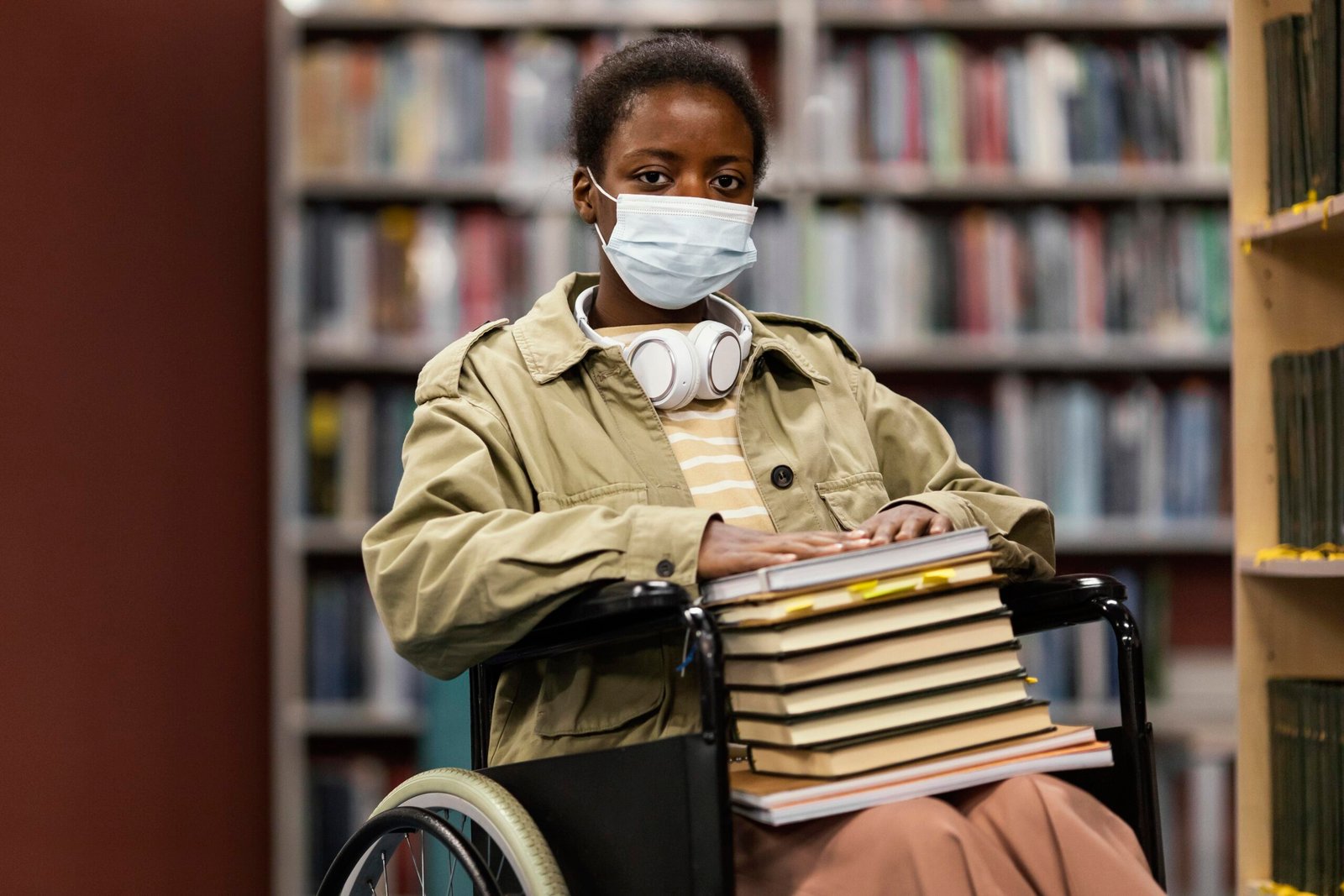
Imagine a mother everyone thinks is a hero.
She is always at the hospital. She knows every nurse by name. She can recite her child’s medical history from memory and rarely misses an appointment. She seems to spend every waking hour caring for her “sick” child.
At church, people admire her.
“She is such a strong mother.”
“Look at everything she does for that child.”
“She never gives up.”
But there is one strange detail.
Her child seems to become seriously ill again and again, particularly when she is around.
The tests do not quite explain what is happening. Different doctors have different theories. The child receives treatment, improves, goes home and then somehow ends up sick again.
And when the child spends time away from the mother?
The symptoms mysteriously disappear.
It sounds like something from a psychological thriller. But Munchausen syndrome by proxy, now more commonly referred to by health professionals as factitious disorder imposed on another (FDIA), is a real and serious form of abuse.
It occurs when a caregiver deliberately fabricates, exaggerates or causes illness in another person, often a child, to gain attention, sympathy or recognition as a devoted caregiver.
The frightening part?
The person everyone sees as the child’s biggest protector may actually be the source of the harm.
When being the “perfect parent” goes too far
Most parents crave recognition as good parents.
They want to protect their children, take them to hospital when they are unwell and make sure they receive the treatment they need.
But imagine if someone’s entire identity became tied to having a sick child.
The hospital becomes their second home.
The medical file becomes almost a prized possession.
Their WhatsApp status becomes a daily medical bulletin
Monday: “Please pray for my baby. The fever is back.”
Wednesday: “Another sleepless night.”
Friday: “Doctors are still trying to figure this out.”
Friends send money.Relatives visit.Church members organise a fundraiser.
Everyone sees a devoted parent.
But behind the scenes, the caregiver may be deliberately creating or exaggerating the child’s symptoms.
This can involve interfering with medication, withholding necessary treatment, contaminating food or deliberately doing something that makes the child ill.
The caregiver rushes the child to the hospital, where she appears deeply distressed, completely devoted, and desperately searching for answers.
And because the child is genuinely experiencing symptoms, doctors may initially have no reason to suspect abuse.
That is what makes these cases so difficult to identify.
So, what does Munchausen by proxy actually look like?
Let’s make this practical.
Scenario 1: “My child keeps vomiting”
Imagine a mother repeatedly bringing her six-year-old son to hospital because he is allegedly vomiting several times a day.
She tells the doctor exactly when the vomiting happens and describes the episodes in great detail.
Tests come back normal.
Doctors treat the child, and the symptoms quickly improve.
A few weeks later, he is back.
Same problem.
More tests. More medication. More hospital visits.
The doctors begin noticing something unusual: the vomiting episodes are consistently reported by the mother, but nobody else has actually witnessed them.
When the child spends a few days with his grandmother, they do not vomit.
When they returns home, the vomiting starts again.
That pattern does not automatically prove Munchausen by proxy.
However, it is something healthcare professionals may need to investigate carefully.
Scenario 2: The “mysterious” poisoning
A child is repeatedly admitted to hospital with symptoms suggesting poisoning.
The mother is always beside her.
She is distraught. She sleeps at the hospital, speaks to doctors constantly and insists that someone must be poisoning her child.
Eventually, doctors discover that the child has been exposed to a substance that should never have been in their system.
An investigation then reveals that the substance was being introduced by the caregiver.
This moves beyond anxiety or overprotective parenting.
Someone is actively causing harm.
Scenario 3: “Every doctor gets it wrong”
A parent has taken their child to six different hospitals.
Each doctor supposedly “missed something”.
The parent rejects reassuring test results and insists that something serious is being overlooked.
They keep searching for a new diagnosis.

The child undergoes repeated investigations and procedures, even though there is little medical evidence to explain the symptoms.
Again, seeking a second or even third medical opinion is not suspicious by itself.
Parents sometimes have to advocate strongly for their children, particularly when a genuine condition is difficult to diagnose.
The concern comes from the overall pattern, especially when illness is repeatedly fabricated, exaggerated or deliberately caused.
The biggest clue? Look for the pattern
One strange incident does not mean Munchausen by proxy.
Two hospital visits do not mean Munchausen by proxy.
A worried parent who asks lots of questions is not automatically suspicious.
What matters is the pattern.
Healthcare professionals may become concerned when they notice things such as:
- The child’s symptoms do not match the medical findings.
- The caregiver gives inconsistent or changing accounts of the illness.
- The child repeatedly undergoes unnecessary tests or treatments.
- Symptoms occur mainly when the caregiver is present.
- The child improves when separated from the caregiver.
- The caregiver appears unusually eager for medical attention or procedures.
- The caregiver has an extensive knowledge of medical terminology or procedures.
- Similar unexplained illnesses appear in other children cared for by the same person.
None of these signs alone proves abuse.
But when several appear together, they may raise serious safeguarding concerns.
“But why would a mother do this?”
This is probably the question most people ask.
Why would someone deliberately make their own child sick?
And the uncomfortable answer is: there is no single explanation.
Munchausen syndrome by proxy is associated with complex psychological factors.
Some caregivers may have a strong need for attention, sympathy or recognition. Being seen as the devoted parent of a seriously ill child may give them a sense of importance or purpose.
Others may have their own history of trauma or complicated experiences around illness and caregiving.
But understanding the possible reasons does not excuse the behaviour.
A child is still being harmed.
And sometimes the caregiver may need mental health support themselves.
The child isn’t simply “a sick child”
This is where the real tragedy lies.
Imagine being eight years old and growing up believing that you are constantly ill.
You miss school.
You miss birthday parties.
You are repeatedly taken to hospital.
You have blood tests, scans, injections or medication.
Everyone talks about you as “the sick child”.
Eventually, you may start believing it too.
The physical consequences can be serious. Unnecessary medication and medical procedures can cause genuine injury.
The psychological consequences can last even longer.
A child may develop anxiety around their own body, healthcare professionals or illness.
And there is another painful possibility: the child may eventually realise that the person they trusted most was involved in making them sick.
That can completely change their understanding of love and safety.
The “Super-Mum” isn’t always the whole story
There is something deeply uncomfortable about Munchausen syndrome by proxy.
We are often taught to look for danger in obvious places.
We imagine an abusive person as someone angry, violent or openly cruel.
But abuse does not always look like that.
Sometimes it can arrive with a hospital bag.
Sometimes it looks like a worried parent.
Sometimes it sounds like:
“Please pray for my child.”
Sometimes the person receiving the most sympathy in the room may also be the person causing the harm.
That is why awareness matters.
Not so that we become suspicious of every mother at a hospital.
Not so that we start diagnosing people from their WhatsApp statuses.
But so that we understand that medical child abuse can be hidden behind the appearance of extraordinary caregiving.
Love should make a child safer, not sicker
A parent sitting beside a hospital bed is not automatically a hero.
A parent taking a child to hospital is not automatically suspicious either.
What matters is what is actually happening to the child.
Real caregiving should ultimately make a child safer, healthier and more secure.
If a child’s illness is repeatedly unexplained, if the story keeps changing, or if there is a worrying pattern between the caregiver’s presence and the child’s symptoms, healthcare professionals may need to look beyond the obvious diagnosis.
Because sometimes the question isn’t simply:
“What’s wrong with this child?”
It may also be:
“What’s happening to this child?”
And that is a question worth asking when a child’s wellbeing is at stake.











You must be logged in to post a comment Login